
Special report: It was once dubbed the ‘coolest place in Britain’, but has economic success taken Liverpool’s most vibrant and unique area in a different direction?
17:39, 18 Apr 2026Updated 07:52, 19 Apr 2026
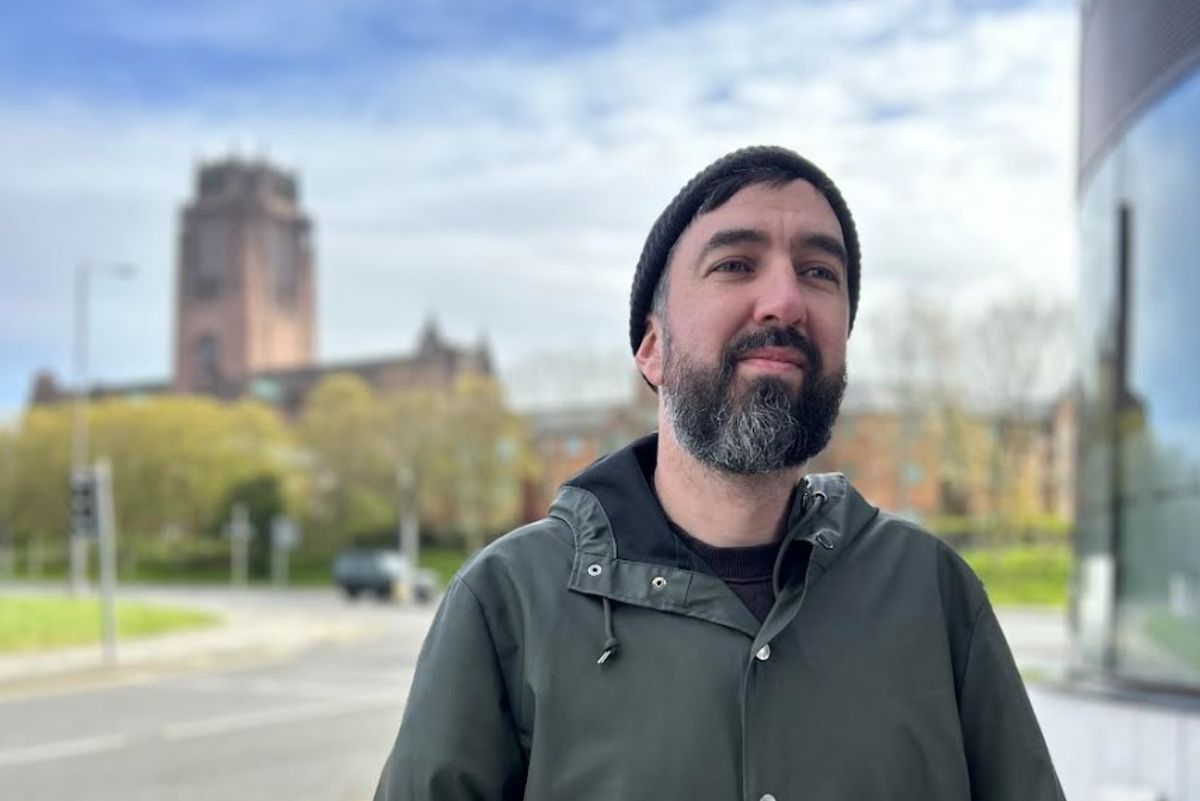
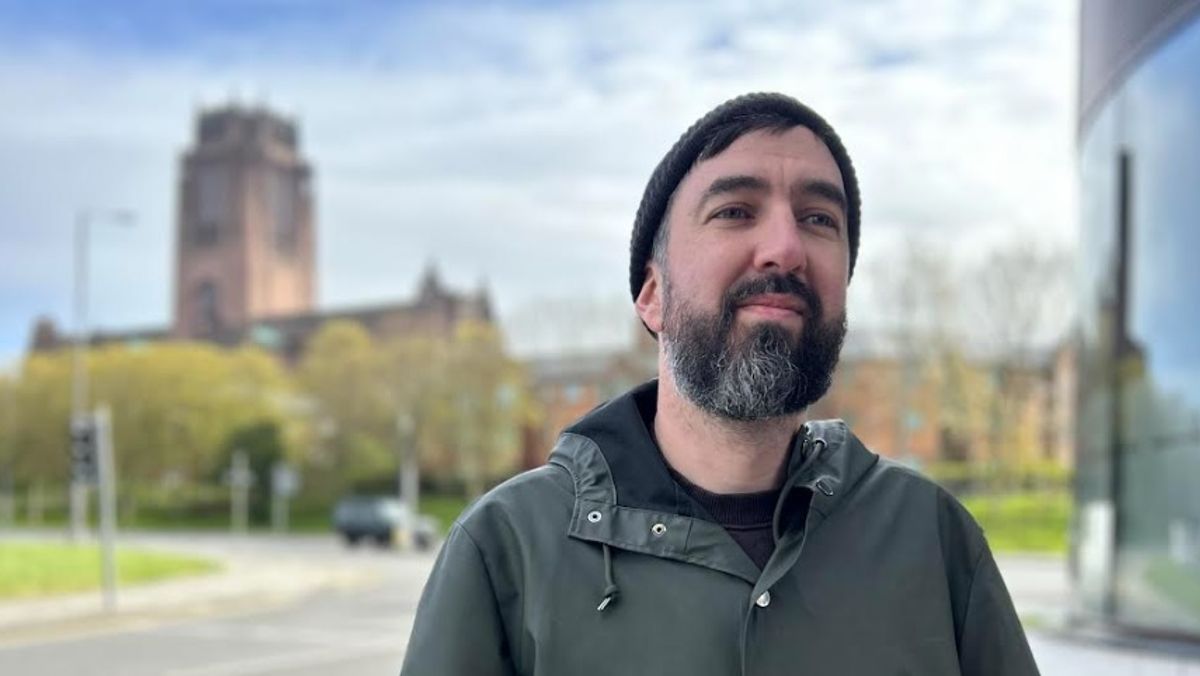
Liam Kelly was the chair of the Baltic Triangle CIC between 2017 and 2021
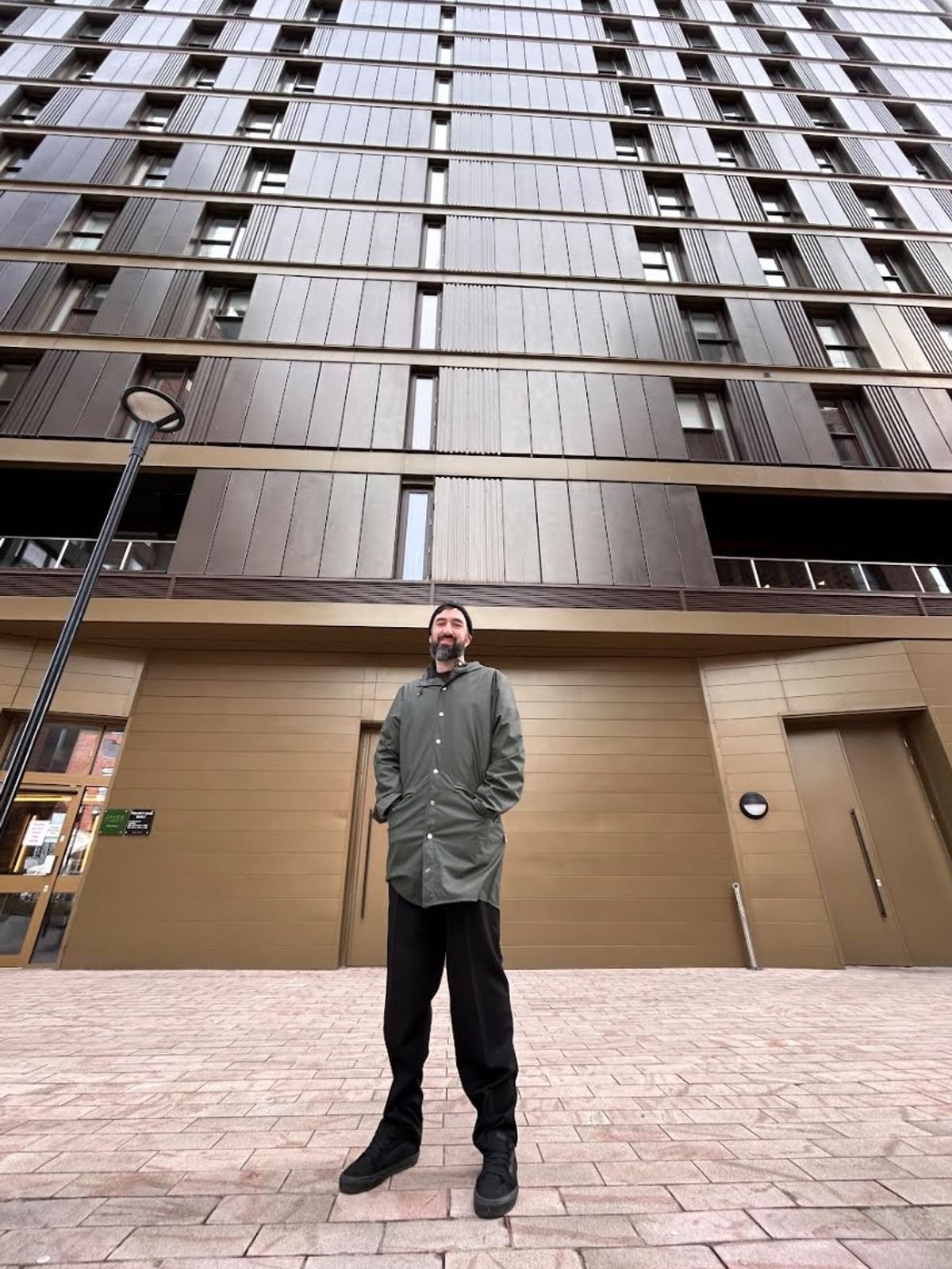
It’s a bright and blustery Tuesday morning and Liam Kelly is looking up towards the heavens. Stood in earshot of the roar of the busy Upper Parliament Street on the edge of Liverpool city centre, his head is tilted to absorb the scale of a vast building of luxury flats that now dominates the skyline of this area that is known as the Baltic Triangle.
Eight years ago, Liam found himself enmeshed in a tense debate about the creation of this flat block – and more importantly what it replaced – and what that meant for a part of Liverpool that had developed into something truly special.
The land where the plush chrome development of 500 apartments now stands was once the site of Constellations – a hugely popular events space with a bar and striking garden area that for many was the beating heart of the Baltic as it became an exciting hub for independent businesses and creative spaces.
In 2018 it was revealed that the Constellations site would be demolished to make way for developer Legacie’s apartments plans. The news prompted a fierce debate around the city about what the future should hold for a part of the city that had transformed from one of derelict warehouses to somewhere that everybody wanted to be.
Liam Kelly was the chair of the Baltic Triangle Area Community Interest Company between 2017 and 2021 and his position saw him pen a powerful letter at the time of the Constellations closure news, claiming the city’s culture was “for sale” and lamenting the loss of the popular venue along with the much-loved ‘Twirling Trees’ green space artwork that lay next to it.
The installation, named Arbores Laetae (Joyful Trees), arrived at the time of the city’s Capital of Culture festivities but were torn up to make way for the new development. As Liam stands in that space today he says he has mixed feelings.
“Firstly, you have to say hats off to Legacie because they have built something that is quite impressive and good quality, we were never against good-quality development, we were just against the feeling that we were losing things in order to gain these things – principally Constellations, which felt like the beating heart of the Baltic at the time.”
Liam Kelly was the chair of the Baltic Triangle CIC between 2017 and 2021
Parliament Square represents a classic debate about whether you can retain the soul of an area as you hurtle towards economic success and seemingly inevitable gentrification.
“It is surprising that Legacie were able to deliver this economically and it is unsurprising that Constellations were not able to own their own building,” reflects Liam today. “This creates a paradigm in the city and is part of why we lose these things. Ultimately we want both of these things – we want to offer luxury flats to those who can afford it – but we also want Constellations.”
Exactly 12 months before the first UK coronavirus lockdown, the Baltic Triangle brand was riding the crest of a wave. It had established itself as one of the ‘coolest’ places in the UK, and was attracting three million visitors-a-year, while its regeneration model was being analysed by planners from all over the world.
In March 2019, Netflix had identified the enclave as the perfect place to promote its showpiece documentary ‘Our Planet’ presented by British TV royalty, Sir David Attenborough. The fact the streaming giant’s marketing team chose the Baltic Triangle as the location for its ad launch was an indication of just how much the brand had grown.
But the mural was not universally welcomed and when the artwork was uncovered it sparked a fierce debate, with many saying it was a sign of gentrification and a move away from what the Baltic was supposed to be. The discussion was largely framed by the site choice for the images of flamingos, painted on the graffiti wall at the back end of the New Bird Skatepark on Jamaica Street, usually a canvas for independent street artists to display their latest ideas.
Some local artists and long-term residents bristled at the commercial use of the space, and just two days later it was largely covered up by fresh artworks. It was perhaps the first notable sign of the growing tensions between the original vision of the Baltic Triangle area and what it was developing into.
At the beginning, there appeared to be a broadly unified vision for the area. The success of the Baltic’s regeneration model, one based on private-sector led investment, and the curation of spaces for artists, tech start-ups and other independents, was attracting national and global attention.
In 2018, Liverpool topped the City Life category in the Whatuni Student Choice Awards, a nationwide survey of 36,000 students. Cited as the central component to that award, was the attraction and hospitality of the Baltic Triangle, highlighting the popularity of the Baltic Weekender Festival and the Baltic Market.
A year before that, The Times had named the Baltic as the ‘coolest place’ to live in the UK, a reference which would be repeated in numerous subsequent articles by the likes of Time Out Magazine, The Guardian and The Independent.
By October 2019, and seven months after the Netflix mural was first installed, the Baltic Triangle CIC area company published its ten year manifesto, an account of the previous six years, and also the outline of a plan for the next decade.
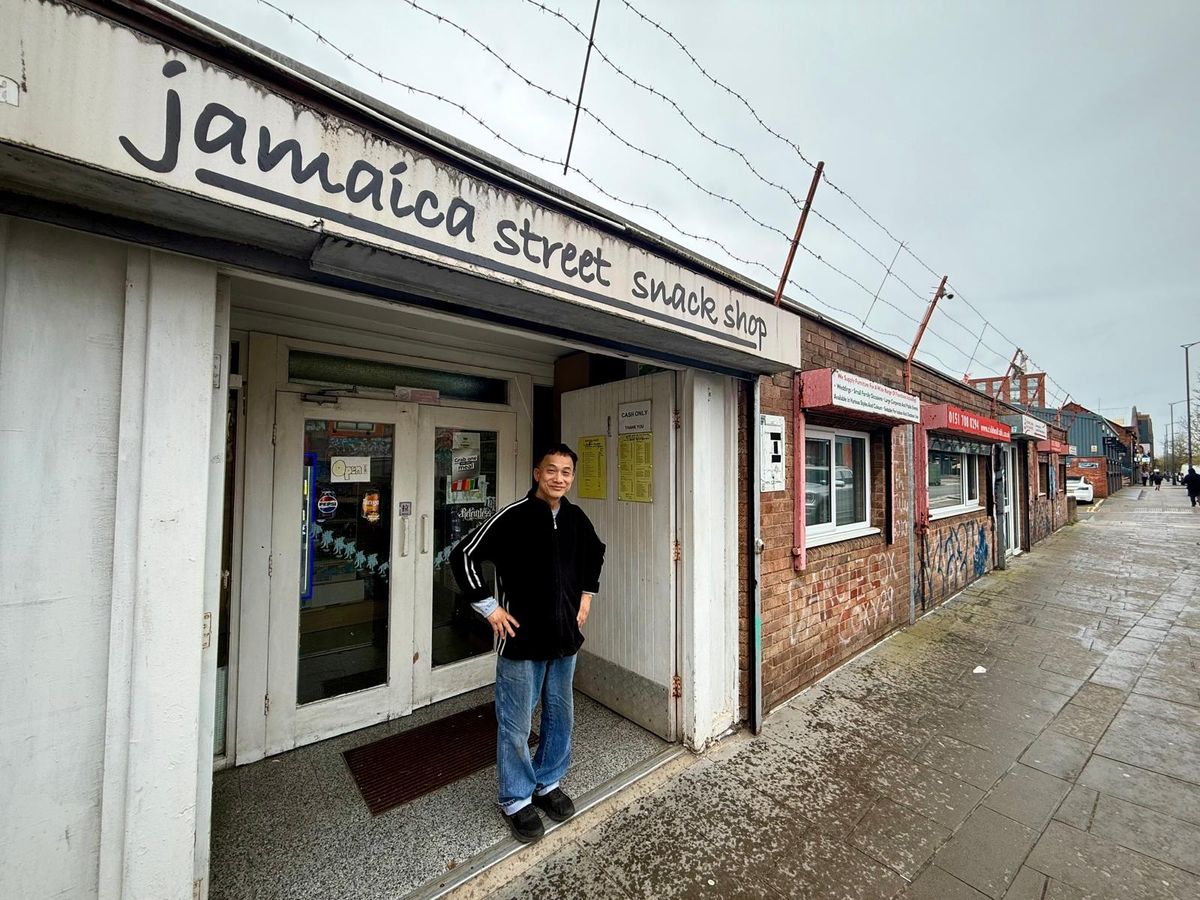
Terry Lau is a bona fide Baltic Triangle legend and runs the Jamaica Street Snack Shop(Image: Liverpool Echo)
“I like to think my time as chair was the glory days,” laughs Liam Kelly, “but it was probably the tail end of the excitement. There had already been a manifesto written, we refreshed and wrote a new one and launched it.
“The manifesto the CIC set was about creating a vision that would create a plurality of offer. What we have now is definitely a departure from that and ultimately once the momentum had been lost, it felt like there weren’t as many people stewarding that vision. The people who own the land then become the broker of those decisions.
“It doesn’t matter what your manifesto says, if you don’t own the land, you will ultimately lose control. That’s a lesson I took away from this experience.”
It is impossible to tell the story of where the Baltic lies today without mentioning the pandemic. Five months after the manifesto was published, the world went into lockdown, causing an enormous shock to communities and businesses everywhere, many of which are still recovering from the impacts six years later. This is certainly the case with the Baltic Triangle, including first generation residents and businesses.
During the noughties, the Baltic looked very different to the destination it is today, largely made up of disused industrial buildings, ill-defined pathways, and with no street lighting. However, even in 2007, there were green shoots of what was happening, mostly centred around the Contemporary Urban Centre based on Greenland Street.
Over the course of the next 12 years, the area went from strength to strength, but there was a significant divergence when the pandemic hit, forcing a kind of reset on the whole project. That didn’t mean the end of the central source of its growth and development, or the sense of its own community, just a different kind to that which had been seen previously.
We spoke to Terry Lau, 63, who is a Baltic Triangle legend, and has run the Jamaica Street Snack Shop (JSSS) for the last 16 years, a bona fide local institution and hugely popular food outlet – known for its fresh food and affordable prices. Before JSSS, Terry was an architect, work he still continues to do.
At lunchtime in 2019, people would be queuing around the block to get a sandwich, but on a bright spring day in April 2026, those queues have dwindled, although business is still steady.
“The pandemic changed the way people interacted with the area,” explains Terry from behind the counter of his compact shop. “A lot of the people coming in to work were suddenly now working at home, and that saw a culture change and a change to people’s habits and working lives.
“Some of that is still seen today. Whereas before you’d notice people working here five-days-a-week, now it’s three or two days. Some of those people never returned.”
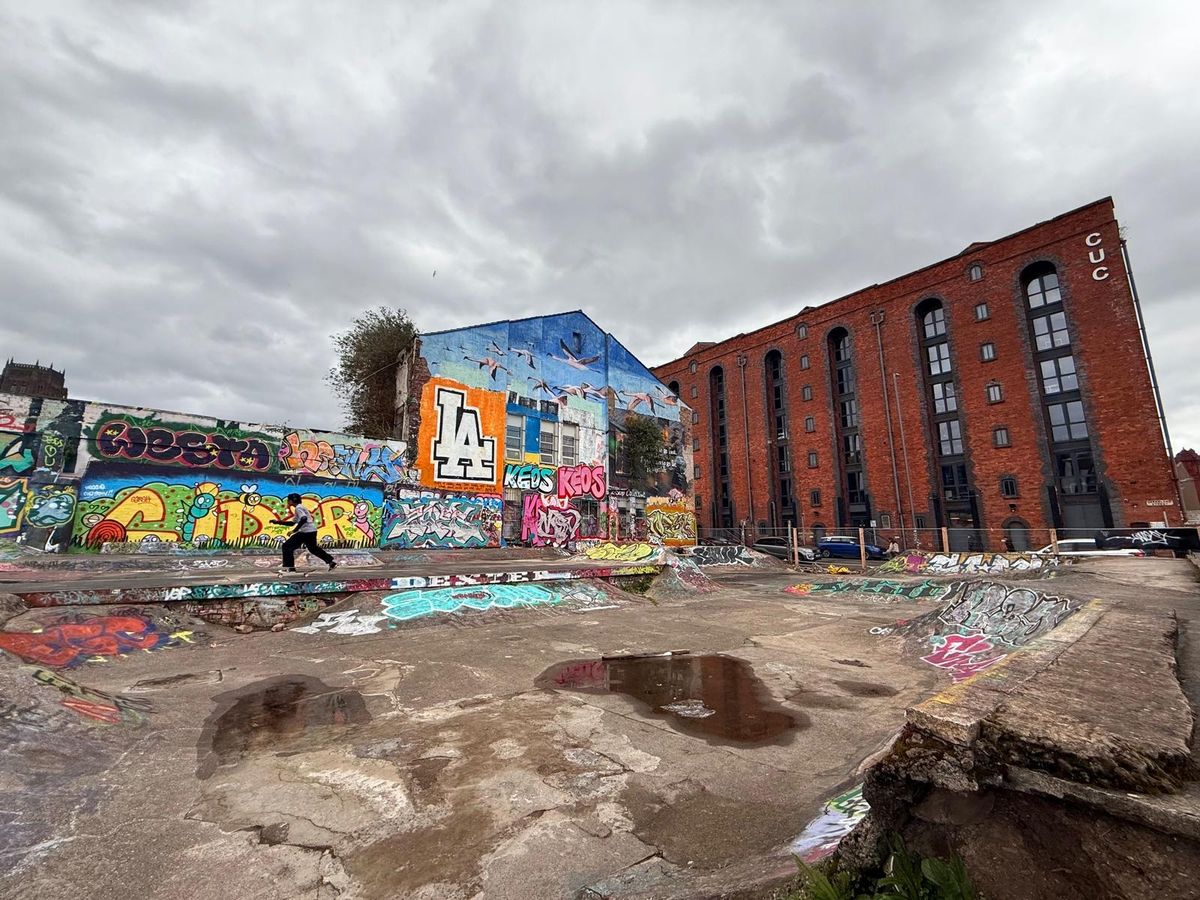
New Bird Skatepark on Jamiaca Street(Image: Liverpool Echo)
Terry highlights some of the current issues within the Baltic and how they’re impacting the concept of community cohesion, citing the scale of development and the increasing costs of rents, both residential and commercial, he said: “Some of the developers are looking to make high profits, pushing the price [of rents] higher [and comparable] to the city centre.
“Over the last five years, I’ve spoken to several of the old tenants who told me they’re moving out of the area because they can’t afford it anymore. [The knock on effect for us is] the loss of some of that original community, and for this place, it means we’re losing customers one by one by one.
“The area is not only a physical structure, but the importance of the area, any area, is based on the people and the community. There are new people coming and that’s great, but we’re also losing people so that affects community cohesion.
“A lot of the people who are surviving from the first and second generation of the area, are those who own their buildings so are protected a bit.”
What Terry says is certainly representative of the Baltic Triangle’s original mission statement, but it never covered the whole picture, because the Baltic is not just split geographically by Parliament Street, running between the Jamaica Street and the Cains Brewery Village, but some might say, the vision for the area had been locked in a battle from the very start.
There always appeared to be a tension between the development of Cains Brewery Village, largely owned by Ajmail and Sudarghara Dusanj, and what was happening in and around Jamaica Street.
Although originally, Baltic Triangle CIC and other independent businesses had leased much of the land, there was a fear the Dusanj brothers could eventually bring in tenants who could pay more costly rents, leading to the eventual disappearance of the businesses who contributed so much to the area’s growth.
This fear seems to have been partly realised by recent events at Northern Lights where dozens of tenants were served eviction notices by the Dusanj Group, leaving them just a few weeks to pack up and find somewhere else to set up.
Located on Mann Street, Northern Lights is one of the most distinctive buildings in the area, thanks to the vibrant, geometric street art displayed on the property’s brickwork.
That art was once called ‘one of the Triangle’s most identifiable sights’, but when we visited late last week, the piece was chipped and severely eroded, much of its vibrancy dimmed and disappearing, with the old brickwork showing through amongst sprouting weeds.
As we walked through the entrance doors, it was clear most of the tenants have already left, with just a few remaining, and some in the process of closing down. One of the spaces which is still operational is The Royal Standard (TRS) studio, home to the city’s largest community of artists, attracted by the accessibility and affordability of the space, as well as its focus on community networks.
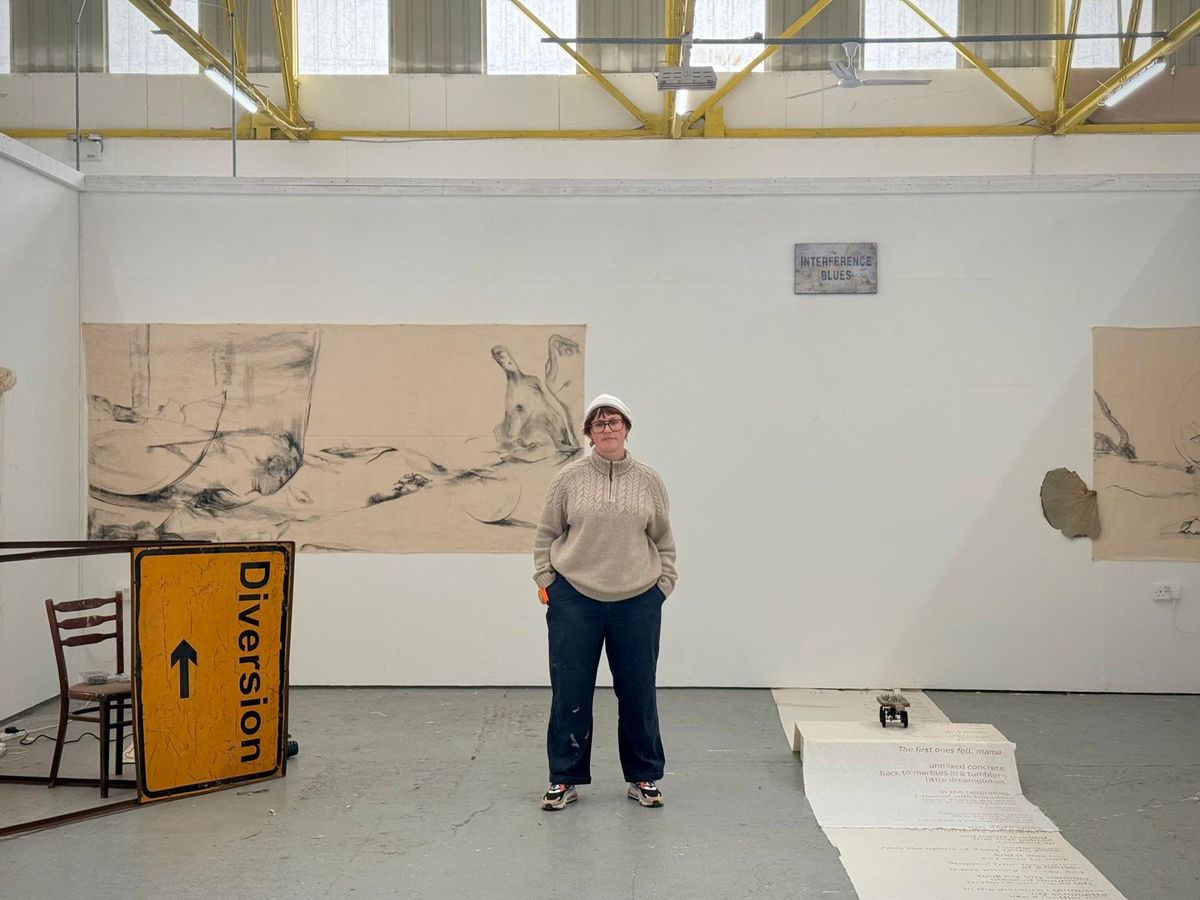
Maddie Vietmeier is an artist based at The Royal Standard in the Northern Lights building(Image: Liverpool Echo)
Maddie Vietmeier, 27, is from California and first came to Manchester after arriving in the UK, before moving to Liverpool eight months ago and is currently preparing for an upcoming exhibition. Maddie is relatively new to TRS and knows artists who’ve used the space for several years, all of whom will now have to leave before the end of June.
However, despite what’s happening, Maddie is hopeful that spaces such as those at TRS will continue to find places to thrive, adding: “Artists have always found ways to survive and will continue to do so.”
We spoke to another tenant who told us their lease had been cut short. They explained the original lease had given them the opportunity to grow their fledgling business, much of the security coming from the reasonable rents and the networking opportunities within the building and the wider area.
The worry for many of these tenants, is now finding a space with the same benefits.
Responding to questions about the tenant evictions at Northern Lights, a spokesperson for the Dusanj Group told us: “[An internal] review examined the current condition of the site, the viability of ongoing operations, and the balance of incomings and outgoings associated with maintaining the building.
“Based on the findings of this assessment, it has been determined that the building will be closed.”
For Liam Kelly, the news about Northern Lights means the Baltic Triangle has reached a point where it has “tipped over” into a net loss of the sort of cultural spaces that created the brand in the first place.
While those spaces appear to be struggling or disappearing, across Upper Parliament Street the vast Box Park structure seems to be thriving. A big and shiny dining, retail and events space brand that saw success across London before launching on the Cains Brewery Village site in the heart of The Baltic Triangle in 2024.
The arrival of a commercially successful brand to the city was welcomed by some, but for others felt like another step away from what the Baltic Triangle was trying to be.
“In my view, Box Park wasn’t welcome in the vision of what we wanted the Baltic to be,” says Liam today, hastily adding: “But Box Park is very welcome in the city. Of course it is great to have national brands come to Liverpool but maybe there was a more appropriate place for it.
“It’s great that they were attracted to Liverpool on the back of the Baltic brand,” he adds. “But then they stick two massive LED screens on Parliament Street. It is literally on a historic building, it looks stupid.”
It must be said that not everyone with skin in the Baltic game feels this despondent about the direction of travel. Some are growing frustrated with the idea that the triangle’s best days are behind it.
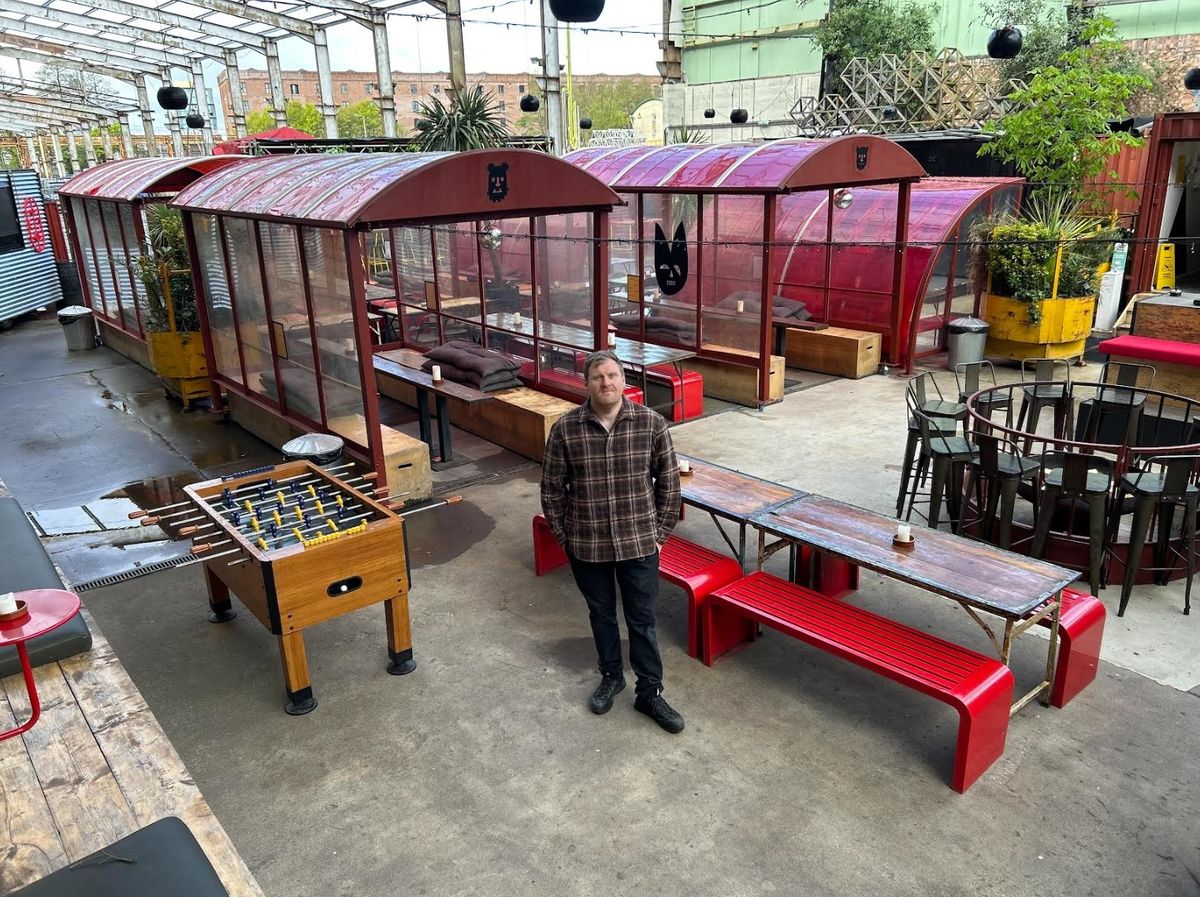
Peter ‘Pedro’ Hunter is the owner of Sub Rosa and the Botanical Garden in the Baltic Triangle
One of those is Peter ‘Pedro’ Hunter, who has operated the popular Botanical Garden venue in New Bird Street for six months of the past 11 years and is now one of the owners of the Sub Rosa and North of Nowhere bar and events spaces in King Street.
Asked to prepare for a chat about the changing identity of an the area, he comes armed with a list of thriving businesses, cool events and burgeoning venues that he says means the Baltic is thriving more than ever.
“We just had a festival here called So Long Good Friday and it was one of the best music festivals in Liverpool for 20 years,” he stresses.
“The Baltic Weekender festival has increased ticket capacity for five years running, Black Lodge Brewing is winning awards, Manifest is winning restaurant awards – Ryde’s new site is amazing and the line-up at Jacaranda Baltic is amazing.”
He adds: “I can’t name an area of Liverpool with more going on.”
Asked why he thinks that for some people the magic of what made this place unique is fading, Pedro jokes: “People always like to say the first album was the best, but there is more to do here than ever before and more people living here than ever before.
To the people bemoaning the loss of the Baltic’s atmosphere, he asks: “Are they talking about the death of The Baltic or do they just miss Constellations and don’t know how to verbalise that? That’s ok.”
He adds: “You always like the music from when you started going out because you started going out then,” he adds. “If you stop watching Coronation Street, you don’t know what’s going on.”