
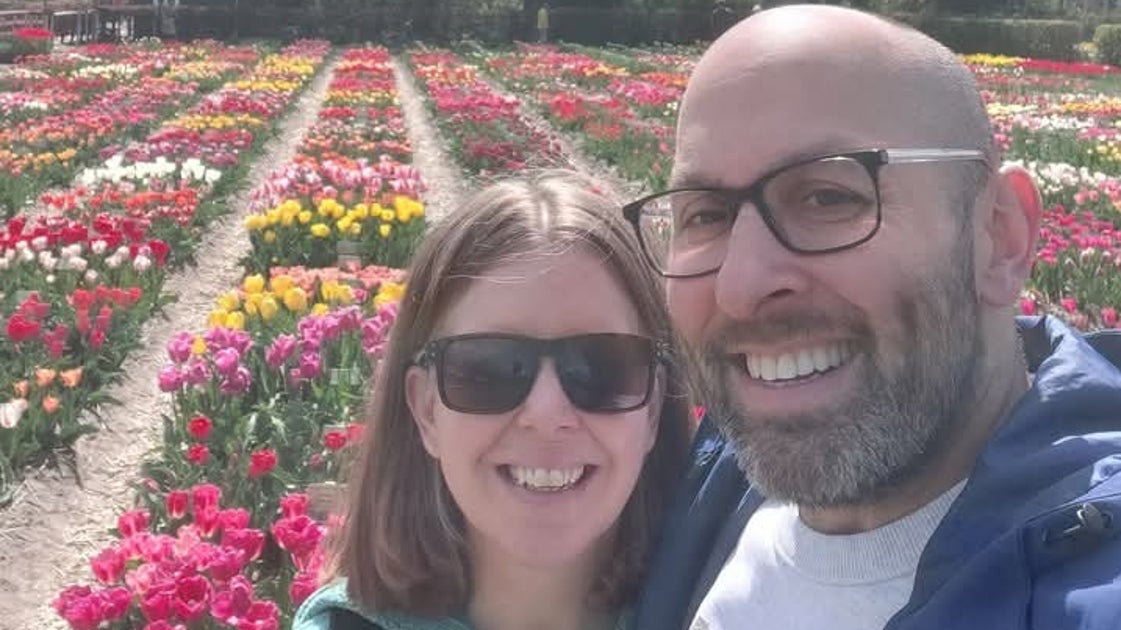
I’ve always loved the promise of moving to a new place. Changing cities, houses and routines makes me feel alive. The possibility of a new experience entices me.
In late 2024, my husband, Manoj, and I traveled to Hawaii to run the Honolulu Marathon. The race marked the completion of our quest to run a marathon in every state in the U.S. Finishing this goal meant it was time for something new.
Manoj and I had wanted to live in Europe for a long time. We both value a slower lifestyle, ease of travel and better access to health care. We felt we would not get these things living in the U.S. We researched our options and discovered that the Netherlands offers Americans the opportunity to move there through the Dutch American Friendship Treaty (DAFT).
The DAFT is a visa program that allows Americans to work as freelancers in the Netherlands. When we decided to move, I was working as a contractor with the Centers for Disease Control and Prevention. My contract was set to end in March 2025. I wanted to get back to freelance writing, which I could easily do with the DAFT. Manoj already worked for himself as a graphic designer, so a freelance visa wouldn’t be a significant professional change for him.
The outcome of the 2024 presidential election was the extra push we needed to act quickly on our move. By mid-March 2025, we had sold or given away everything that wouldn’t fit on one shipping pallet. We sold our house in Milwaukee and purchased a home in the Netherlands. We arrived at Schiphol Airport in Amsterdam on March 19, 2025, with our suitcases and two tired, cranky cats.
As we reach the one-year mark here, I know that we made the right decision. The Netherlands isn’t perfect. There are threats from the far right here, too. Dutch is a difficult language to learn. Housing is expensive and in short supply. Public transportation is pricey. We miss our family and friends.
However, moving here has also felt like an enormous sigh of relief. The level of anxiety I feel around daily life has plummeted over the last year. Of course, I still spend some sleepless nights tossing and turning with worry. The state of the world makes it impossible not to. But the tight feeling in my stomach over day-to-day things has faded.
In the Netherlands, most of the things people rely on to live their lives safely function properly.
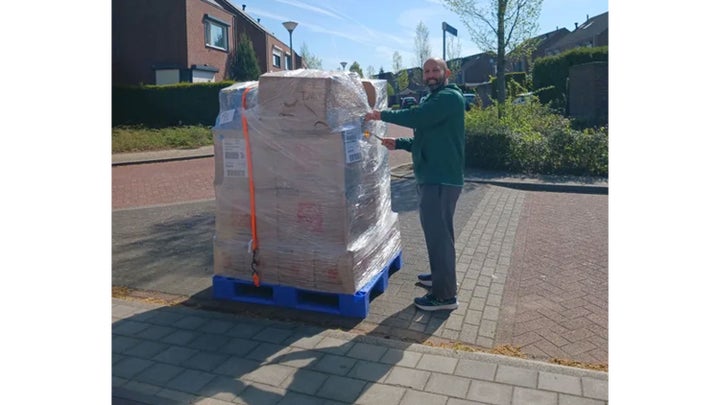 The author’s husband standing next to the pallet containing everything they brought with them to the Netherlands.
Photo Courtesy Of Jessica Swearingen
I worked as a government contractor for the last few years that we lived in America. Both my husband and I had health insurance through my job. Even though my employer paid part of our insurance premium, we still paid nearly $800 a month. We also had a family deductible of $3,000. Even then, the care we could access was at the mercy of our insurance company.
In the Netherlands, health care is seen as a right, not a privilege. Everyone contributes the same base amount for health care. In 2026, that cost is about 160 euros per person, per month. The deductible for all adults here is 385 euros per year. People can choose to pay a higher monthly premium for extra services, such as dental care, physical therapy and vision care. Even without paying the extra for vision insurance, my exam, glasses and a year’s supply of contact lenses cost significantly less than they did in the United States with vision insurance.
We had also heard some horror stories about the difficulty of accessing care in the Netherlands before we moved here. We heard the most common medical advice from primary care doctors was “Just take a paracetamol.” I don’t want to discount other people’s experiences, but we have not encountered a situation where we didn’t receive quality care from our GP so far.
Both Manoj and I needed to visit our doctors for minor concerns. We were able to receive the care and medications we needed with no problem or pushback from the GP. Again, I know everyone has different experiences and medical needs, so others might not have had as pleasant an experience as we have.
In January 2025, Manoj and I sat in a movie theater in the city of Maastricht in the province of Limburg. At the time, we were scouting options for places to live and had some free time. I settled back into my seat as the opening credits rolled for “Wicked.” I was completely relaxed.
The movie was in English with Dutch subtitles. I tested my extremely limited knowledge of Dutch by following the subtitles to see how many words I knew. As we walked out of the theater after the movie ended, I had an epiphany:
“That was the first time I can remember enjoying a movie at a theater without worrying about someone bursting in with a gun,” I said.
Manoj nodded, and I continued. “I always look for the exits when we go into an American theater. Then, I spend most of the movie worrying about what we’d do if it did happen.”
It’s impossible to explain American gun culture to our new Dutch neighbors and friends. People here think it’s “insanity” that mass shootings occur repeatedly in America, yet nothing changes.
Living without constantly worrying about who might be carrying a gun has been far more freeing than living in a country where gun violence is the price of “freedom.” It took moving to a new country to realize just how much stress I carried by worrying about guns and mass shooters.
Another aspect of Dutch life we’ve embraced is living comfortably without a car. We use our bikes to get everyday essentials like groceries and household items. Any large items, such as furniture and kitchen appliances, are easy to order for direct delivery to our house.
For travel, we can get anywhere we need to go in our city by bike. There are well-maintained, protected bike lanes on all the main streets. I never felt safe biking in America. The dangers of speeding vehicles and poorly maintained infrastructure made cycling an unappealing option.
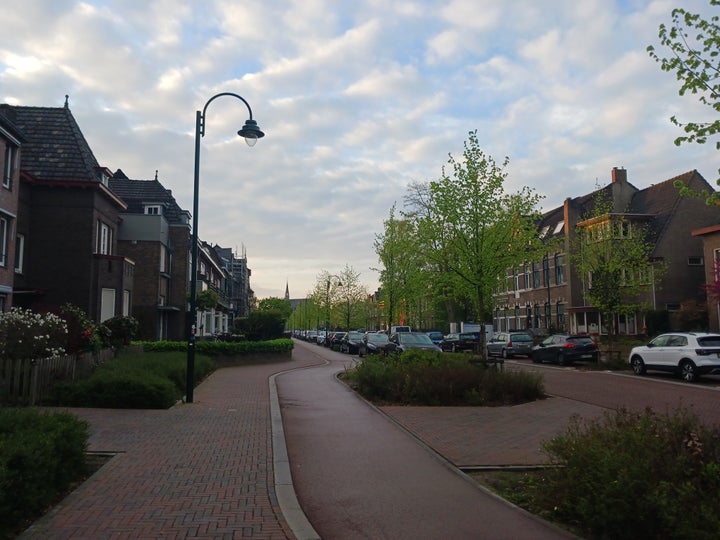 A typical Dutch street with walking and biking paths separated from vehicular traffic
Photo Courtesy Of Jessica Swearingen
The money we save on car payments, gas and insurance allows us to take more trips for fun. When we need to travel further than we can pedal, the train station is less than a mile from our home and there’s also a decent bus system. Europe’s interconnected and vast train system makes traveling easy, even if tickets are sometimes quite expensive.
There are also short, inexpensive flights throughout the continent. We went to Ireland in February for a running event and our plane tickets cost less for both of us, round trip, than we would spend on a single ticket for a short flight within the United States.
Travel has always been very important to me. I love visiting and experiencing new places. Living here allows us to do so more often. In our first year as Dutch residents, we went to a music festival in Belgium, spent a few days on the island of Terschelling and went to a running industry event in Northern Ireland. In the next year, we hope to visit several more countries and see more of the Netherlands.
I also love living in Europe because of its diversity. We live in a moderately sized city with approximately 60,000 residents. Twenty percent of our city’s population was born outside of the Netherlands. This mixture of cultures and languages makes our city a nice place to live. And, instead of condemning immigration and multiculturalism, I feel as though the people here embrace it.
The city also offers free opportunities for newcomers to learn the Dutch language with taalcafés. Taalcafés are free gatherings held in many Dutch cities. In our city, the library is the meeting place for the weekly Tuesday evening session. Everyone is welcome to come, share a cup of coffee, and practice speaking in Dutch. Taalcafés also function as a place to form social connections with other individuals living through the expat experience. They are hosted by groups of native Dutch volunteers who share cultural information and language tips typically revolving around a specific theme.
Through our involvement with the local taalcafé, we’ve improved our Dutch language skills and met people from all over the world. Bonding with other expats over our shared experience of starting over in a new country has proven to be a good way to make new friends and hear their stories.
Moving to a new country in your 40s comes with unique challenges. Unlike someone in their 20s, we already owned a home and had established lives in Milwaukee. We had friends, work and routines that we enjoyed. However, you only get one chance at life.
If you don’t take any risks or try anything new, you might look back one day and see only missed opportunities. I don’t want to grow old and feel as though I didn’t live when I had the chance. I also don’t want to spend the rest of my life worrying about having health care, agonizing over gun violence and paying for a car. The last year here in the Netherlands has been an adventure that has changed our lives for the better.
Do you have a compelling personal story you’d like to see published on HuffPost? Find out what we’re looking for here and send us a pitch at pitch@huffpost.com.