
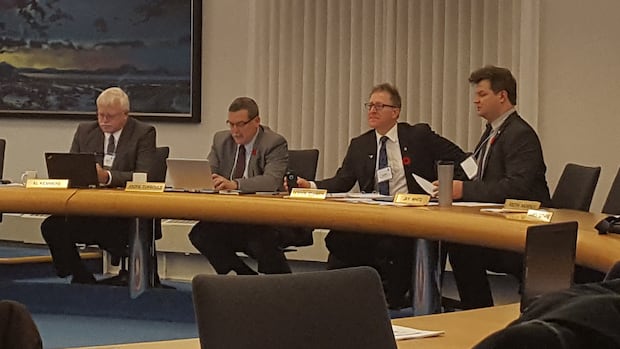
A provincial water council is preparing to shut down after more than two decades of providing advice around water issues after receiving word from the Alberta government that its funding will be cut.
On Feb. 26, the Alberta Water Council (AWC) said it received a letter from Alberta Environment and Protected Areas, stating that it would no longer be able to use grant funds as of May 26.
“It’s a bit of a casualty of Budget 2026,” said Jay White, a professional biologist and founding member of the council. “[It gave us] 90 days … to wind up operations and return any unused funds to the department.”
At a meeting on Friday, members discussed how to wrap up operations and explored bridge funding options, but efforts to secure support have so far been unsuccessful, White said.
“Industry wasn’t able to come forward … I was looking for a horse trailer outside, but there were no white knights in shining armour rolling in with either bridge funding or any sort of ideas for long-term funding,” White said.
Council’s task was dubbed ‘vital’
The Alberta Water Council was established in 2004.
White, who is the last original member from the council’s inception, said the overall goal was to help implement the province’s Water for Life strategy — the government’s outline for how it manages and safeguards water, established in 2003 — put in place by then-environment minister Lorne Taylor.
In 2004, Taylor was quoted in the Edmonton Journal, stating that the council’s task was “vital,” adding that “water is the issue of the 21st century.”
The original council was listed as including representatives from the Alberta Irrigation Projects Association, Shell Canada and Ducks Unlimited, among others.
“They’ve got a huge job ahead of them,” the Journal quoted Taylor as saying in 2004. “They all realize the importance of what they’re about to embark upon.”
While the council didn’t have any direct political power, its consensus recommendations were intended to be brought by Taylor to cabinet.
In the early days, it was a very trusted group, White said.
“We could roll up our sleeves and discuss very heady things about water and water policy,” he said.
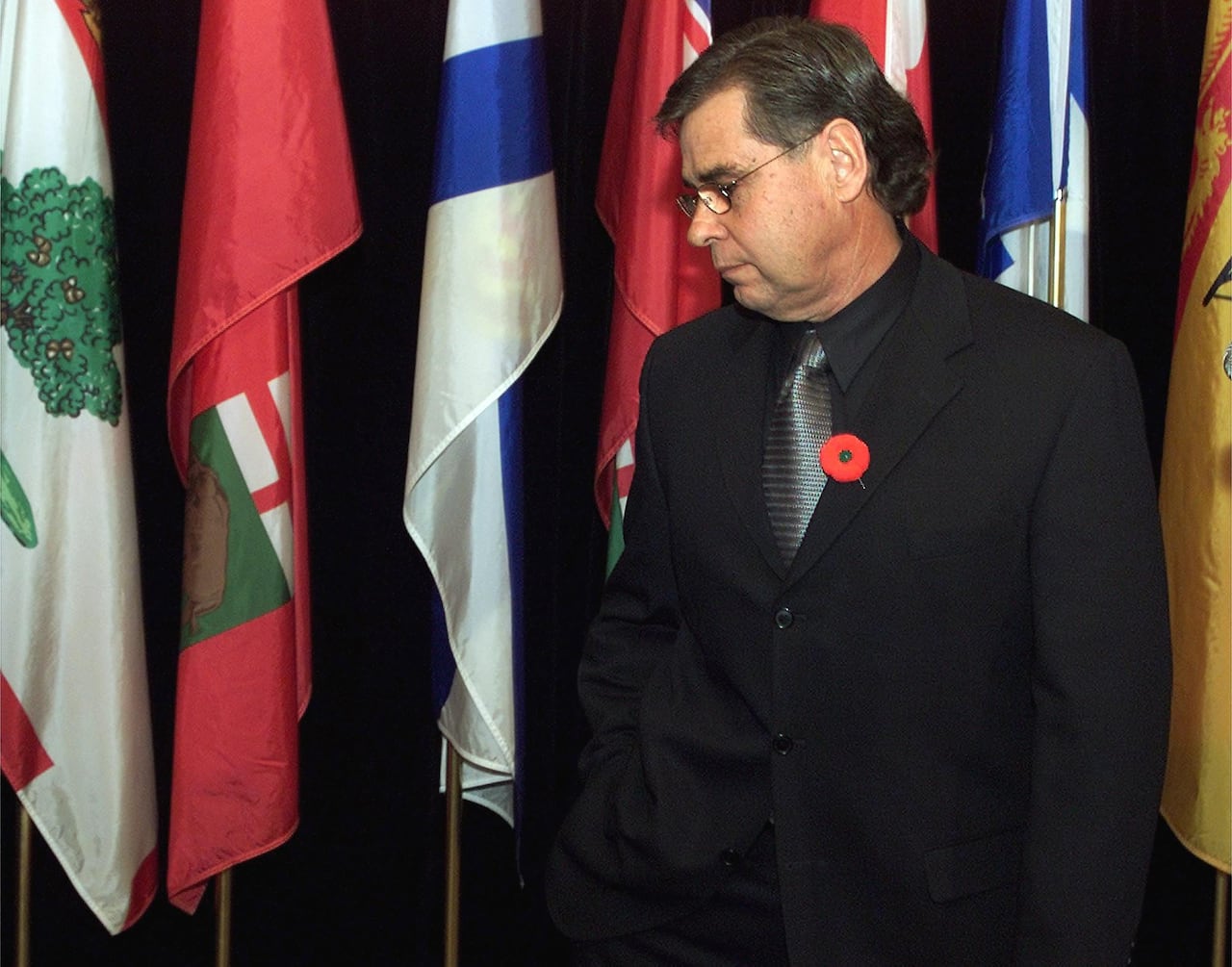 Former Alberta environment minister Lorne Taylor is pictured in a file photo from Oct. 28, 2002. Taylor said that as long as Alberta’s watershed groups are functioning, they would be able to advise government on their local issues. (Andrew Vaughan/The Canadian Press)
Those heady conversations evolved into numerous documents focused on wetlands, drought, water reuse, water security, and more.
Different governments have had varied levels of interest in dealing with the council, White said.
“The latest round of water policy talks that the government took out … we weren’t tasked with looking at that,” White said.
“We found out basically when everybody else in the province did. That was kind of the writing on the wall, perhaps, that this particular government wasn’t interested in what water council had to bring to the table.”
Government says it will continue to engage
Ryan Fournier, a spokesperson for Alberta Environment and Protected Areas, wrote in a statement that following a review, the province ended funding “to two councils that met three times a year” — the AWC, as well as the Clean Air Strategic Alliance.
“In each case, the council president was a senior government bureaucrat. These budget reductions will save taxpayers $1 million annually,” Fournier wrote.
“Ending funding for these councils does not change Alberta’s commitment to maintaining the highest environmental and regulatory standards, while continuing to engage directly with industry, environmental organizations, and other stakeholders through multiple established channels.”
Fournier added water policy is a component of “virtually all work undertaken by Environment and Protected Areas and is informed through a wide range of engagement activities.”
“These include, but are not limited to, meetings, roundtables, focus groups, studies, public consultations on legislative and regulatory changes, town halls, open houses, surveys, written submissions, stakeholder sessions, workshops, advisory panels, webinars, community forums, engagement sessions with municipalities and Indigenous communities, technical briefings, discussion papers, online feedback portals, and targeted outreach to affected sectors, organizations, and members of the public,” Fournier wrote.
In what could be its final form, the council included 23 members, including industry members from the Canadian Association of Petroleum Producers and Team Alberta Crops, as well as non-government organizations such as the Environmental Law Centre and Ducks Unlimited Canada.
The issues dealt with in the Water for Life strategy remain pressing today, said Taylor, who was environment minister under former premier Ralph Klein.
But of the council’s pending shutdown, Taylor said government could seek counsel from local watershed groups.
“I think as long as the local watershed groups are functioning … they can advise government on their local issues,” he told CBC News.
Collective knowledge
White, meanwhile, argues the loss goes beyond dollars. He said the province is set to lose a valuable forum intended to share knowledge.
“The collective knowledge around the room, we’ll all go back to our day jobs, and the province is going to miss out on having all of those voices,” White said.
“I fear that the lobbyist-type folks, and those sort of interests, will be the things that the province takes as the information that could have been provided, possibly, from a more balanced group like ours.”
The province recently undertook a broad consultation around water availability in the province, which involved town halls, open houses, and online surveys.
Out of that consultation, it announced a series of new rules, including the consolidation of its two largest river basins, the allowance of “lower-risk” interbasin diversions, as well as making it easier for communities to use rainwater from rooftops and to reuse wastewater.