
The ONS collected its March data in the middle of the month, a few weeks into the war.
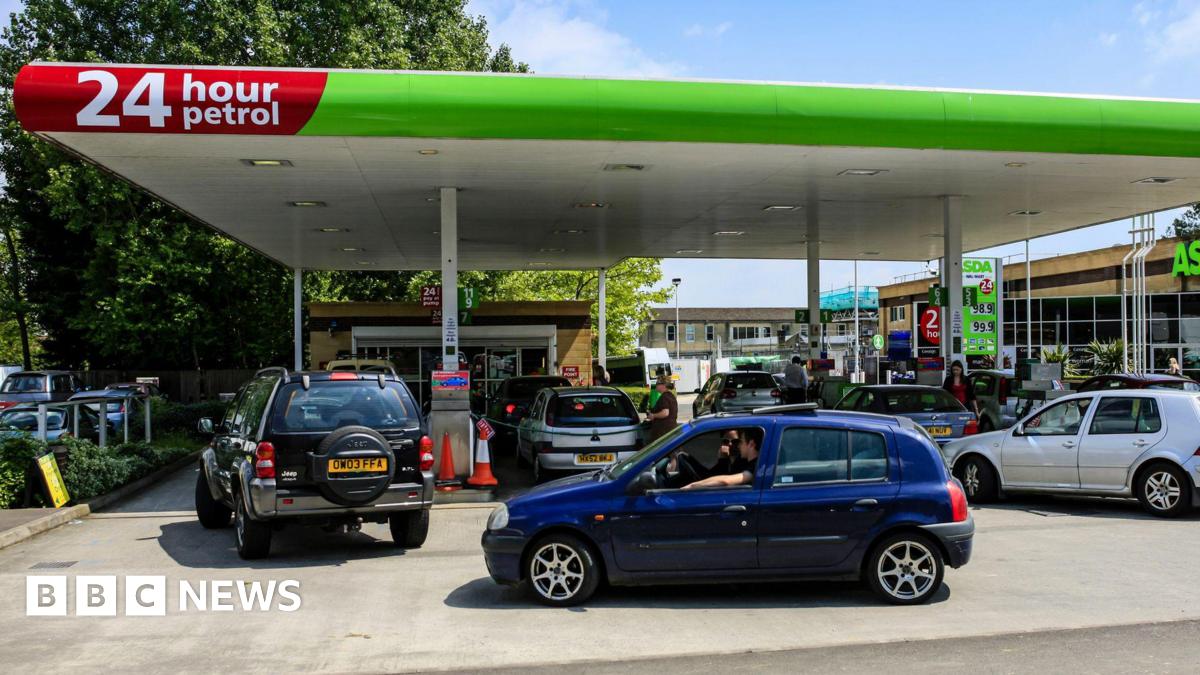
Motor fuel increased by 8.7% month-on-month, the largest increase since June 2022, shortly after the Russian invasion of Ukraine.
Over the year to March, fuel prices rose by 4.9%. This was the highest rise since January 2023.
In addition to fuel, ONS Chief Economist Grant Fitzner said airfares and rising food prices also played a part, while “the only significant offset came from clothing costs, where prices rose by less than this time last year”.
“The monthly cost of both raw materials for businesses and goods leaving factories rose substantially, driven by higher crude oil and petrol prices,” he added.
Food inflation rose from 3.3% to 3.7% in the year to March, driven by chocolate and confectionery, meat, fish, and soft drinks – which may be linked to the timing of Easter.
It can take about seven to 13 months for cost increases in the food supply chain to be reflected in retail prices on the supermarket shelves.
The Food and Drink Federation, which represents manufacturers, forecasts food inflation could be as high as 10% by the end of the year.