

A school which cancelled a visit by a Jewish MP has been cleared of antisemitism by an independent inquiry.
Bristol Brunel Academy, however, should have conducted better checks on social media before the visit so it was more aware of the potential threat of protests, the inquiry found.
Damien Egan, the Labour MP for Bristol North East and vice-chairman of Labour Friends of Israel, was unable to visit the school in his constituency in September last year after it was alerted to protests by members of the Palestine Solidarity Campaign and the National Education Union (NEU).
 Saima Akhtar
The Times revealed last week that Saima Akhtar, the diversity and inclusion coordinator at the trust which runs the school, lost her job after describing Hamas terrorists who carried out the October 7 massacre in Israel as “heroes fighting for justice”.
Bridget Phillipson, the education secretary, ordered an independent inquiry into the postponement of the visit, which eventually took place in February.
Dame Joan McVittie, a former head teacher and past president of the Association of School and College Leaders, conducted the review.
In a report published on Wednesday she exonerated the school for cancelling the visit on safety grounds, saying it had to decide at short notice whether it could go ahead without jeopardising or distressing children.
The visit was rescheduled for December, before both the school and MP agreed on the date in February.
Egan had previously visited six schools within the Cabot Learning Federation (CLF). Bristol Brunel Academy belongs to the trust.
An urgent Ofsted inspection cleared Bristol Brunel’s leadership of showing any discrimination or political bias in its culture and teaching, in a report in January.
The latest inquiry included extensive interviews within the school and other relevant bodies, plus a review of training materials and trust policy documents.
McVittie concluded the decision to postpone Egan’s visit had been taken solely to protect students, staff and the MP amid the uncertainty of the protest and there was “no evidence of the influence of lobbying groups on the decision makers”.
She said: “The threat of a protest where there were so many unknowns — information about the size, which groups would be involved, and the risk of local activists joining — created a significant risk to students and the MP.
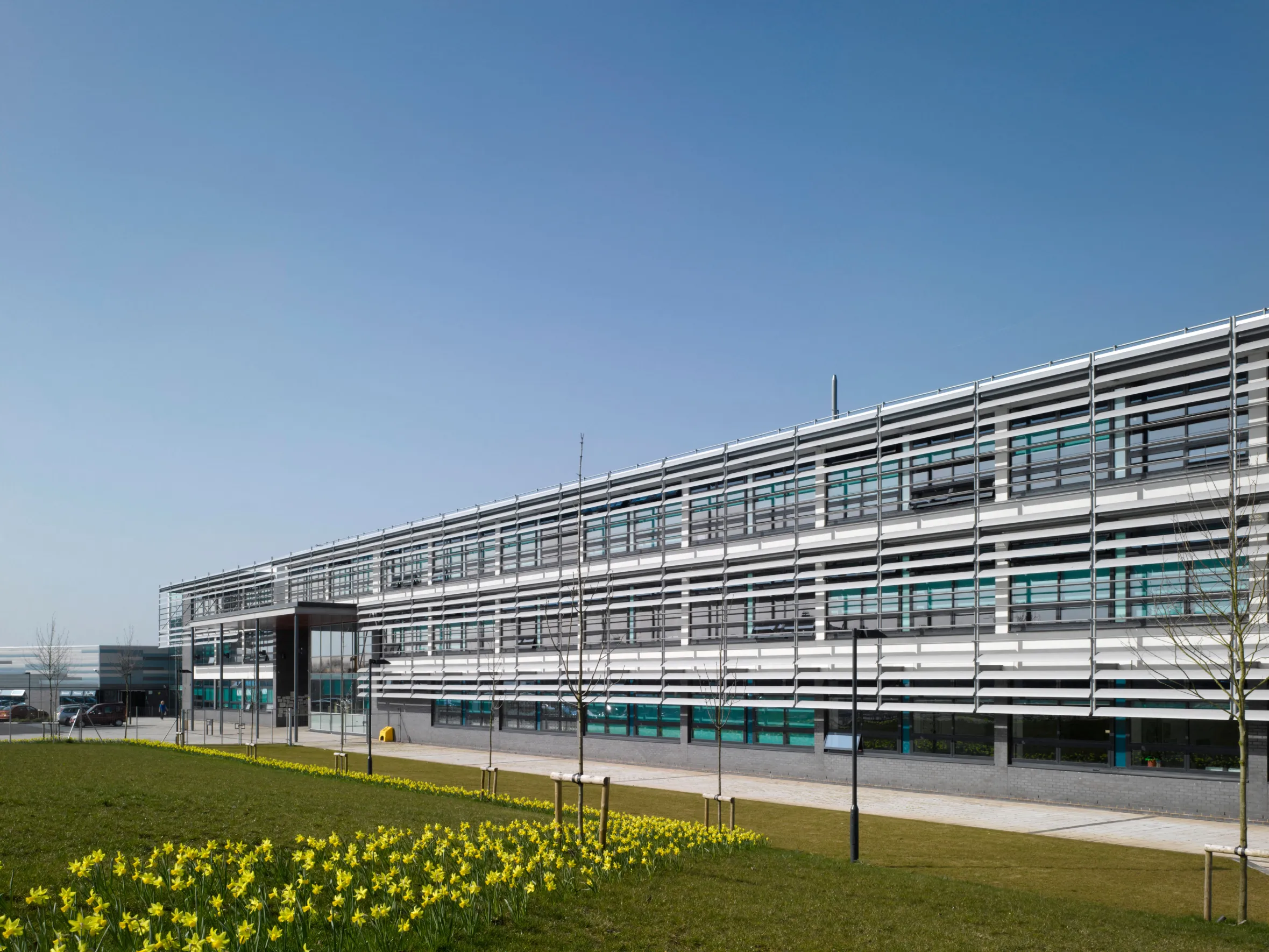 Bristol Brunel AcademyAlamy
“The overriding priority for school leaders in any decision must always be safeguarding children and the health and safety of all those on their school site including visitors.
“From the evidence I have gathered I conclude that the decision to postpone on September 5 was based solely on safeguarding concerns for students and the MP.”
The inquiry did find, however, that mistakes had been made. “The school leadership had not followed their own procedure for visitors, as the MP had already visited six other schools in the trust without incident and was known to the trust,” the report said. “Checks on social media which form part of the academy’s visitor’s procedure may have alerted Bristol Brunel Academy much earlier to the potential threat.”
Egan criticised the report for having paragraphs redacted, with more than 30 lines blacked out. One part of the document, relating to the timeline, redacts ten lines concerning decisions made the day before the visit was due to take place.
Egan said: “I thank Dame Joan McVittie for her work on this report. I have seen the redacted version of the report that the Cabot Learning Federation released and would strongly encourage them to publish the complete version of the report. I will be writing to the secretary of state to the same effect.”
Pepe Di’Iasio, general secretary of the Association of School and College Leaders, said the findings were positive, adding: “We are living in fractious times, and schools can very quickly be drawn into a political and media storm even when their actions are entirely appropriate and well-intentioned. We welcome the recommendation for more support and guidance being made available to schools on how to manage visits from MPs, and would urge everyone to be understanding of the difficult climate schools are operating in.”
The inquiry recommended that the school avoid high-profile visitors at the start of term. It should also check all media, including social media, for references to all visitors, adding: “In other words practise greater due diligence.”
Advice should also be sought, where appropriate, from the Department for Education, police and local authority. It also recommended that the DfE or parliamentary authority offer improved guidance and security for schools planning visits, and for MPs’ constituency teams to carry out deeper
checks on social media before visits by MPs and, where necessary, alert school leaders to community tensions.
Parliamentary security protocols recommend the school community is not given advance warning of visits by MPs. The report added: “In the current climate of social media and potential involvement of activists, this should be followed in every instance.”
Michaela Wilde, the NEU branch secretary for CLF, was involved in organising protests. The pastoral support worker at City Academy, a sister school, said the union’s reps in the foundation were “very proud of this”. In a post on Facebook she wrote: “Don’t mess with NEU in CLF, we are not here to play.”
While the report concluded that neither the trust nor the school were antisemitic, the trust should consider additional training on antisemitism and continue to seek ways to repair the relationship with the MP.