
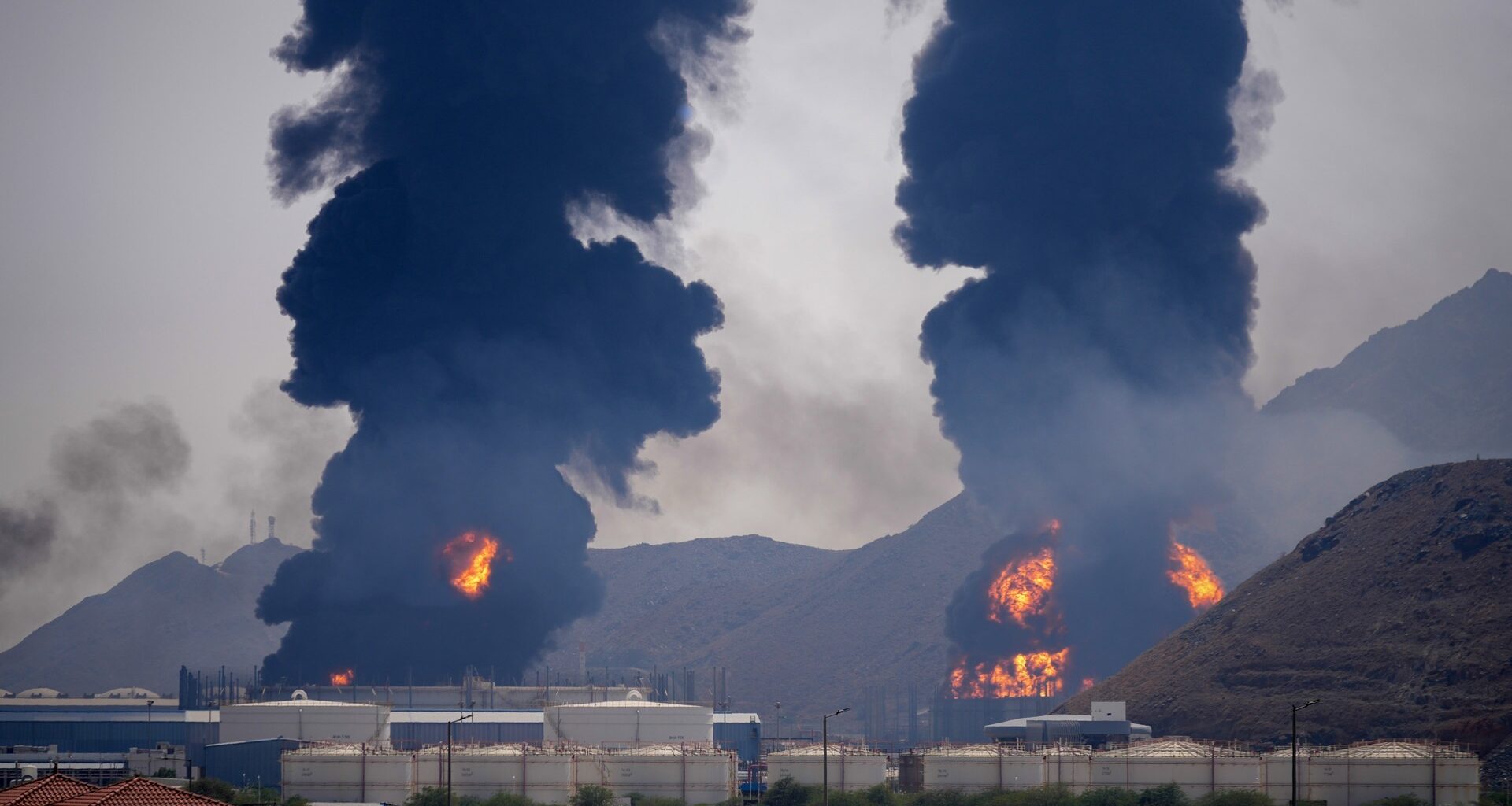
The geopolitical architecture of the Middle East is undergoing a radical restructuring. The transformation began a decade ago, when Donald Trump became president of the United States for the first time, and continues today, with the war against Iran that he launched alongside Israel.
The ultimate shape of the changes in the Middle East will not be clear until the Iran war ends, when the parameters of a possible peace agreement come into view. But it’s not too soon to evaluate the broader impact of the forces that have buffeted the region.
Three distinct events propelled the most dramatic shifts in the status quo. The first came in 2020, at the end of Trump’s first term, with the signing of the Abraham Accords, which established diplomatic, commercial and political ties between Israel and several Arab states, most significantly the United Arab Emirates.