
The Healing in Nature program helps Israeli combat veterans heal, reconnect, and rebuild their lives through nature, technology, and community
When Elias Shimon looks back on the days he spent in Gaza after October 7, he says the memory still takes his breath away.
A 29-year-old reservist in the Paratroopers Brigade, Shimon took part in several rounds of fighting against the Hamas terrorist organization, serving alongside “strong and brave soldiers,” several of whom were killed in battle.
He described fighting in Gaza “under intense fire.”
Although he did not develop diagnosable post-traumatic stress disorder (PTSD), Shimon said the experience changed him, as it has for so many Israelis.
As Israelis, it is one event after another, one tragedy after another
“As Israelis, it is one event after another, one tragedy after another,” Shimon told The Media Line. “We have been at war for almost three years. People cannot even begin to understand what we went through and how much we need to stop and deal with ourselves before we go on.”
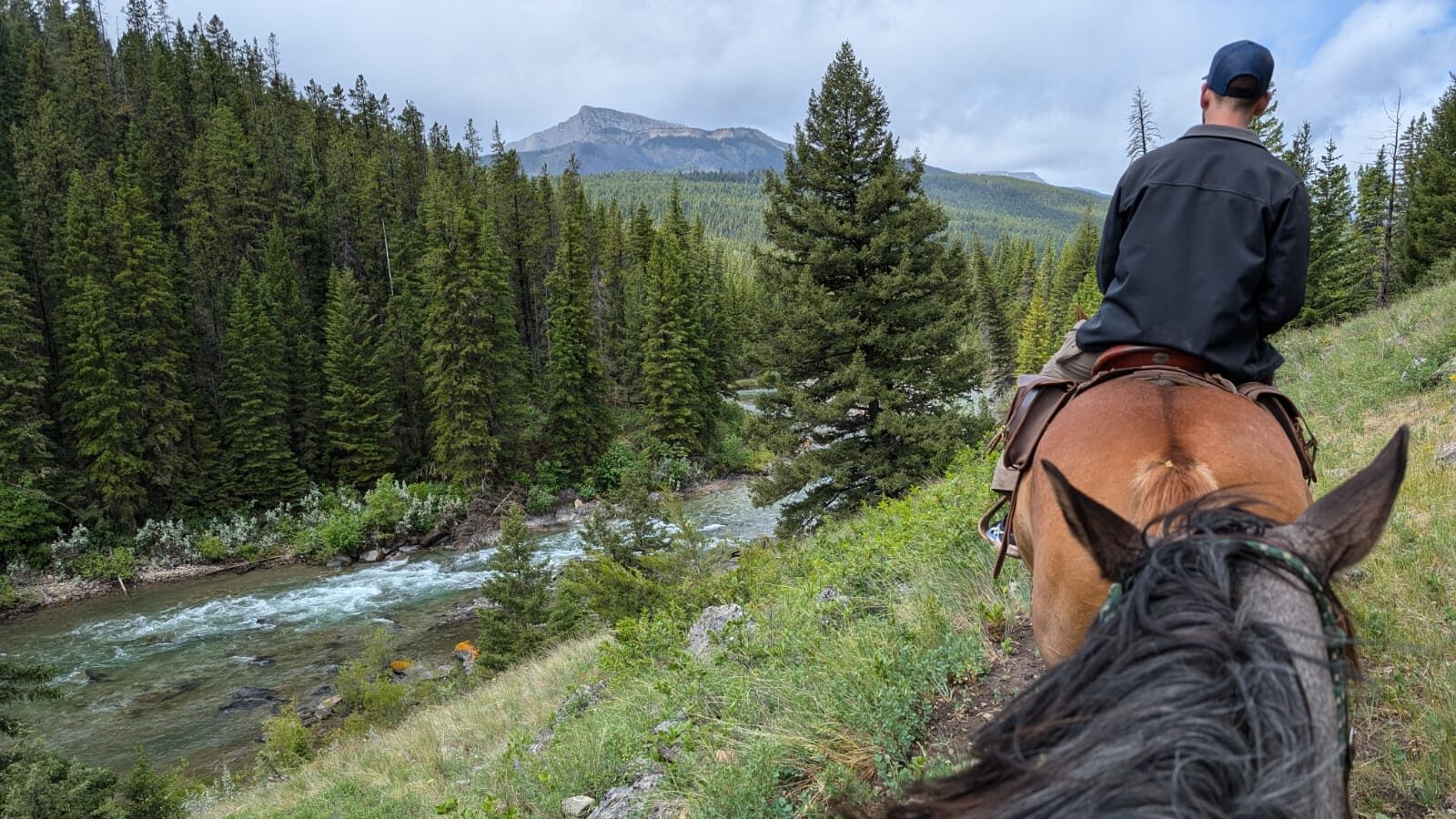
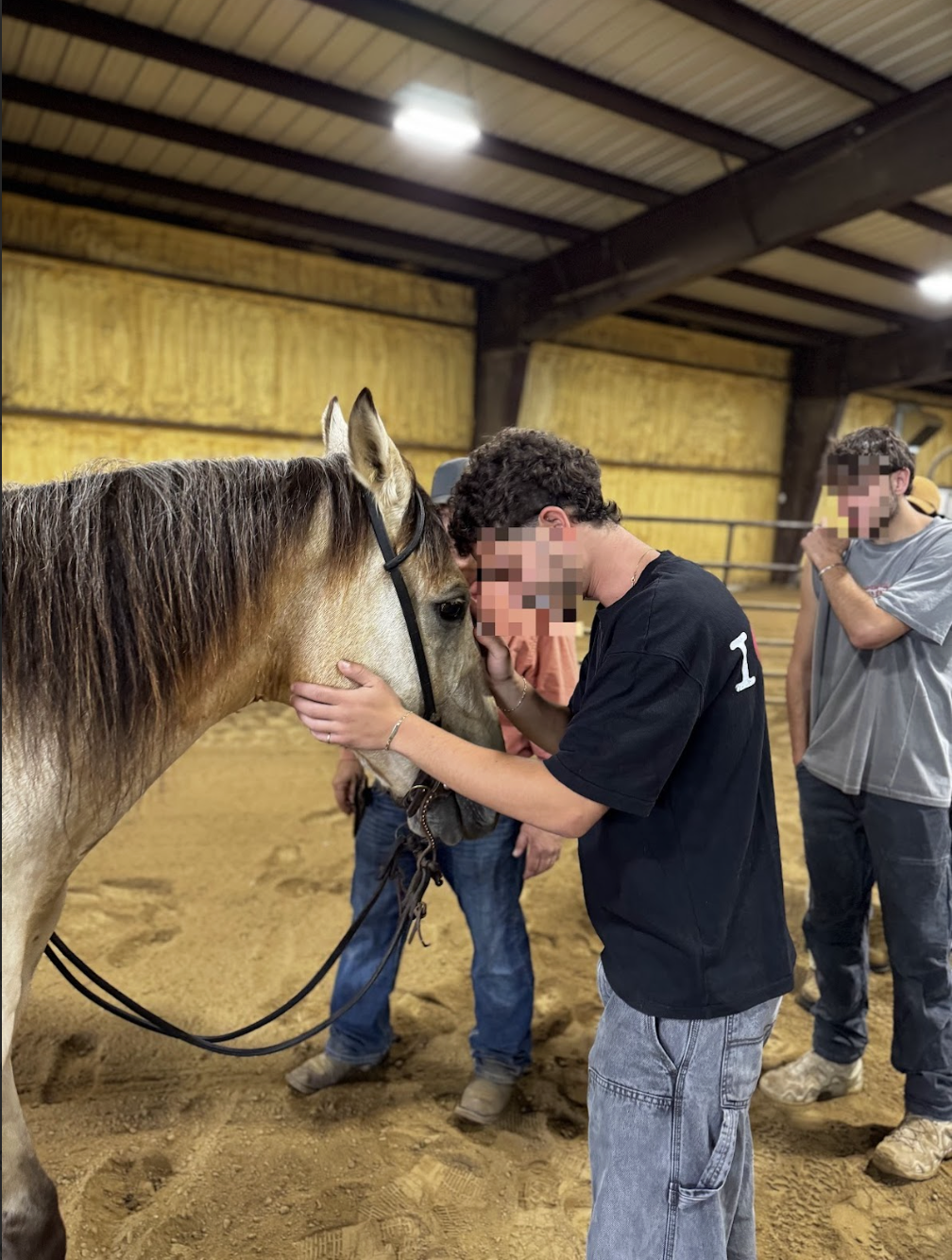
Seeking space to process what he had experienced, Shimon was flown to Montana as part of a program run by Healing in Nature (HiN), an Israel-based nonprofit that helps Israel Defense Forces combat veterans work through their experiences in quiet, natural settings across the United States. The program also incorporates advanced research methods and technology to create a holistic healing environment.
Shimon spent 10 days in Montana in relative silence, away from the pressures of daily life.
He described horseback riding, ice baths, breathing exercises, and sports, along with sessions with professional psychiatrists and social workers.
“We started a healing process,” Shimon said.
NAVA ring. (Courtesy Healing in Nature)
HiN was co-founded by Omri Barkin and Roei Friedberg to help Israeli combat veterans heal, reconnect, and rebuild their lives through nature, technology, and community. The program integrates nature-based therapy, holistic healing practices, advanced research, and coping tools.
Barkin said every participant goes through a months-long intake process that begins with a one-hour questionnaire designed to gather initial information. After completing the questionnaire, participants take part in an evaluation call with one of HiN’s professionals to better understand who they are and ensure the retreat is the right fit.
“We’re going to places that are so remote, so far away, we want to ensure the safety of the participants,” Barkin explained.
Following the initial screening, participants meet with a therapist for an introductory session. They then take part in a full evaluation day at Tel Aviv University. Lasting about four hours, the session includes questionnaires, eye-tracking, and other biofeedback measures to better understand each participant and tailor the program to their needs.
“That all happens before the 10-day retreat,” Barkin added. “When they return to Israel, they go through another evaluation day at Tel Aviv University. That one is about a month after their return.”
Participants are often members of the same unit or, at the very least, share similar combat experiences, even if they served in different roles. For example, a group may include lieutenant colonels who fought in Gaza or Lebanon.
“It is important to create that organic feeling before they go on the retreat, so they can feel as comfortable as they can during the retreat,” he told The Media Line.
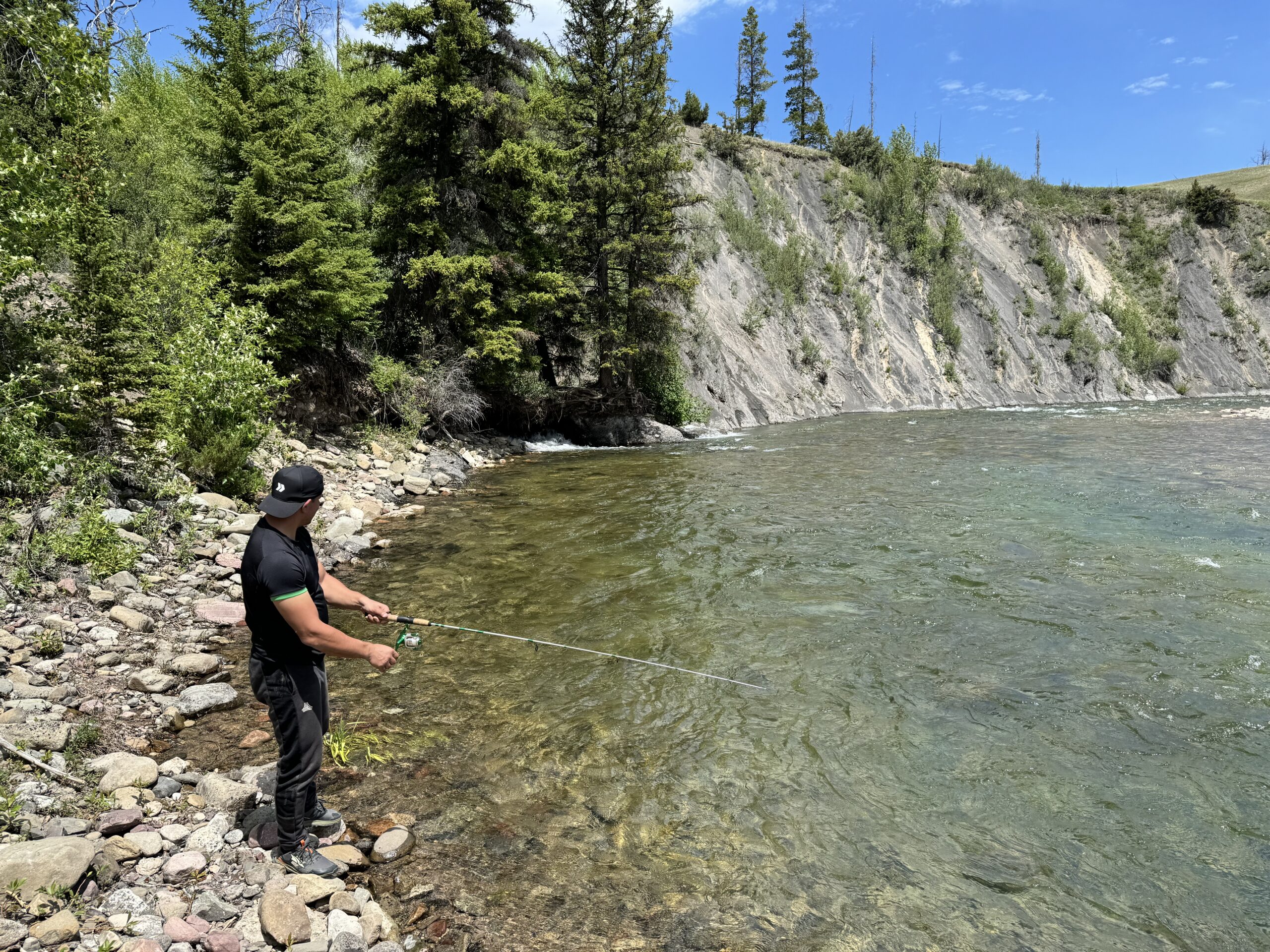
Activities vary, but are mostly held outdoors and include fishing, hiking, swimming in rivers or medicinal springs, and quiet reading by the water.
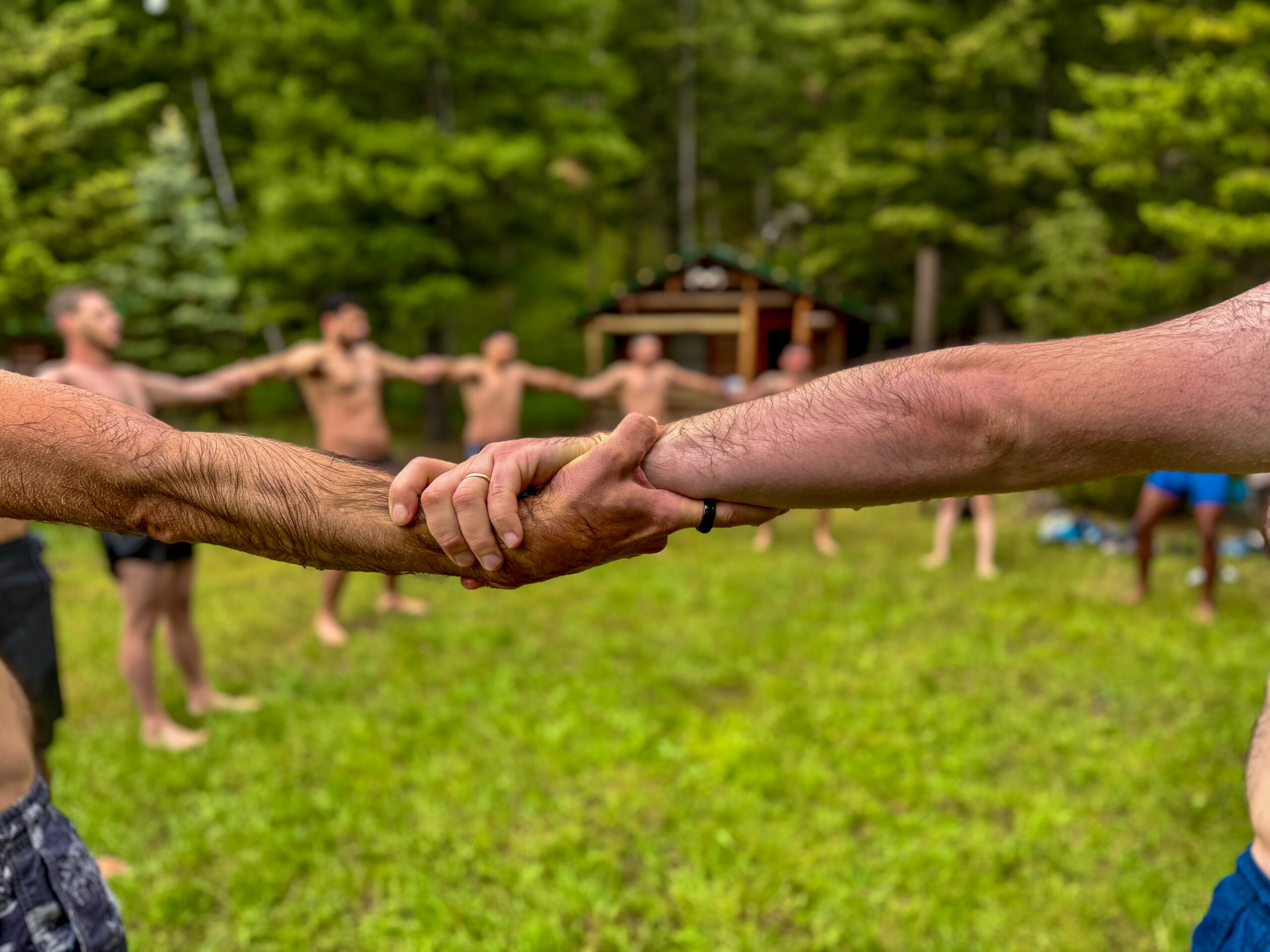
“We start every morning with our alternative therapist for mind-body work,” Barkin said, adding that participants also take part in cold-water exposure, Tai Chi, and journaling. There are also group sessions with professionals such as social workers and psychologists.
One feature of the program is what Barkin calls “organized free time,” during which participants are free to choose what to do, as long as it is outdoors.
I want them to be outside … in nature as much as they can
“I want them to be outside … in nature as much as they can,” Barkin added.
(Courtesy: Healing in Nature)
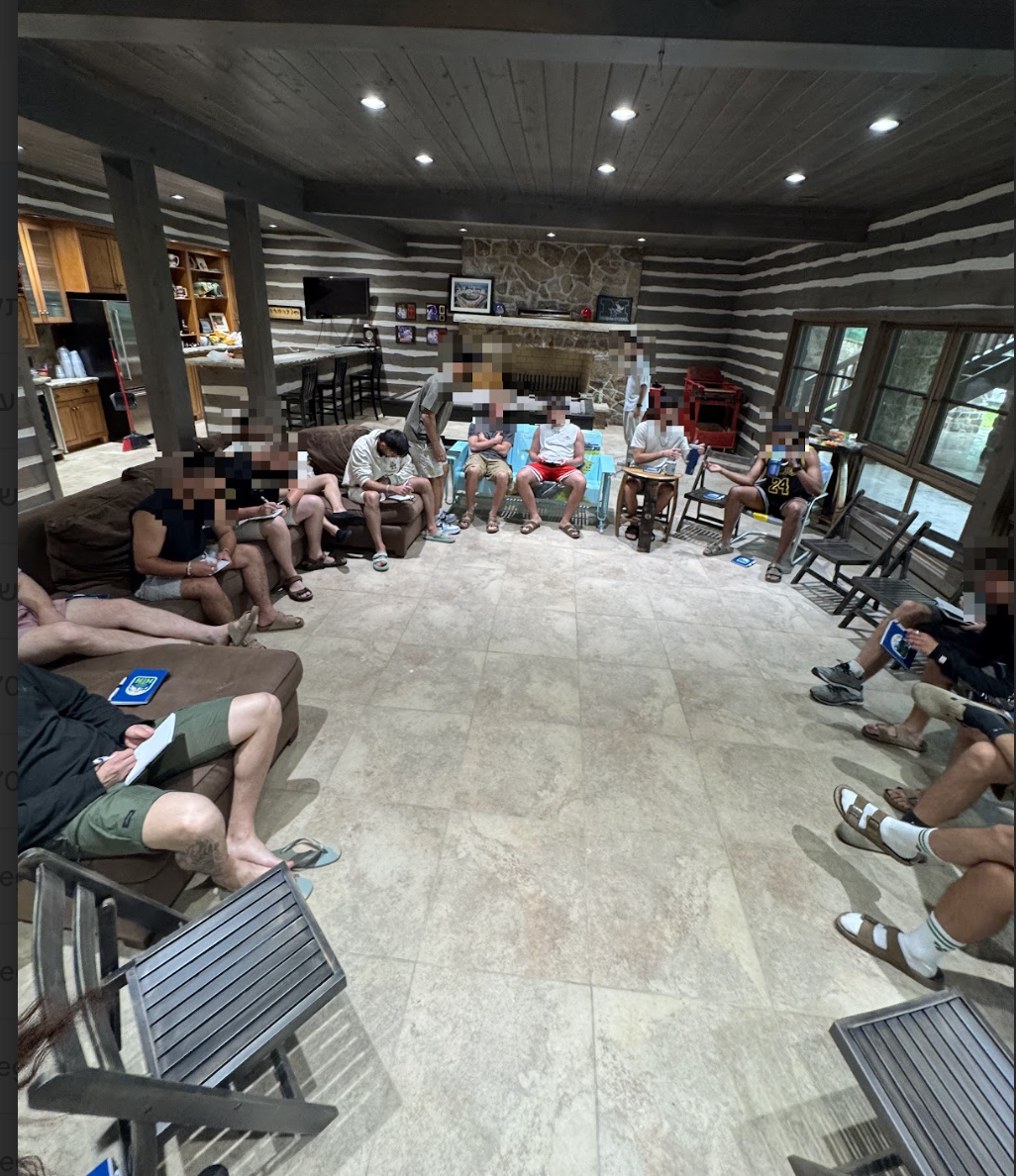
Many of the locations are so remote that there is no cellphone reception or Wi-Fi, allowing participants to disconnect fully and without interruption. At the end of each day, the group comes together to reflect on the day’s events and complete a short feedback questionnaire.
What sets HiN apart, Barkin said, is not only the natural setting but also the science behind the program. In addition to the initial and post-retreat evaluations, participants take part in several months of follow-up. This includes answering a short series of questions three times a day for two weeks before and after the program to help researchers track their responses and development after the retreat, and to observe the tools they were given.
When the program ends, participants take part in a final summary call with their therapist.
“The main goal is really to check in on the participants to make sure they all return home in a good way,” Barkin said.
Once all the data is collected, it is compiled and sent to HiN researchers at Tel Aviv and Cambridge universities for analysis. A few months later, participants receive personalized reports that show how they compare with where they were at the start of the program.
“We understand that creating a long-lasting effect is important,” Barkin said, noting that HiN also has an alumni community that stays in touch and supports members, especially when soldiers are called back into reserve duty.
Nimrod Hertz serves as HiN’s lead researcher. He told The Media Line that extensive research already shows nature can provide a calm environment for healing, and can help reduce hyperarousal and other symptoms in people who have experienced trauma. He said the team builds on this existing knowledge, as well as research on the benefits of stepping away from daily life, and giving people space to recover by removing environmental stressors.
“The premise was that there are a lot of great mental health initiatives in Israel aimed at veterans, especially workshops that focus on processing combat experiences,” Hertz explained. “The problem is that we don’t have enough evidence and scientific measurement to actually show, first of all, that these sorts of projects and programs are effective, and also we don’t have enough data showing the ways in which they are effective. … What we wanted to do here is use science.”
Hertz said the research allows the team not only to better tailor the program to participants’ needs but also to refine and improve it over time as more information becomes available.
“We also believe that combining science gives us the opportunity to also use what we do in order to communicate knowledge further so that the effects of the program will not be just for the participants but also other people, the scientific community, the clinical community, the therapeutic community, not only in Israel but around the world. We see this as an opportunity to expand the effects beyond the program itself.”
(Courtesy: Healing in Nature)
Participants are tracked for about six months, covering the period before and after the retreat. One of the key findings, Hertz said, is that an initial reaction to trauma does not necessarily predict long-term outcomes. In some cases, symptoms ease naturally over time.
“It very much resembles the entire clinical thinking or diagnostic thinking of trauma, where you don’t diagnose trauma over the first month because you know that in the first month, you can have a lot of different reactions that then can either relax over time or maybe they remain fixed, and then you develop PTSD,” he told The Media Line.
Hertz, along with other researchers from Israel, the UK, and the United States, published research in the journal Elsevier showing that some individuals who began in a severe state improved over time even without intervention.
“Which means sometimes that even if someone comes back and you are very concerned about them, so of course give them your attention, monitor them, make sure that you are there for them, but also hold the place in your mind to sort of wait and see if it naturally relaxes because it often happens. We also sometimes see the opposite trajectory, that people who started very low in terms of symptom severity all of a sudden are exacerbated over those two months.”
The team is also studying how trauma affects attention, noting that people often become more hypervigilant and develop heightened sensitivity to potential threats.
To better understand these responses, researchers combine standard questionnaires with advanced tools. Artificial intelligence is incorporated into clinical interviews, and facial recognition software is used to assess biological markers. This data is then analyzed alongside the content of participants’ interviews.
“For example, if a person is sharing an anecdote from their service and then we detect, for example, a heightened heart rate when they’re talking about it, it gives us a clue that this might be a trigger for that person, and even if that person doesn’t tell it as such or does not admit it,” Hertz said.
One message that we want to send out is about the importance of being evidence-based
“One message that we want to send out is about the importance of being evidence-based.” Hertz added.
He said another key point is the need to distinguish between experiencing trauma and developing PTSD.
(Courtesy: Healing in Nature)
“There are traumatic exposures, and this by itself has an effect on people. It doesn’t need to qualify all the way to a full-blown post-traumatic stress to be distressing,” he said.
Barkin told The Media Line that he first had the idea to start HiN in 2016 after taking part in Operation Protective Edge. Although he was not physically injured and did not suffer from PTSD, he said his father noticed he was struggling.
He eventually flew in 2016 to visit family friends, the Wallis family of Missouri, who have a ranch in Montana. The experience proved deeply healing and inspired him to pay it forward. At the time, though, he did not know how to bring a group of reservists from Tel Aviv to Montana.
That changed after October 7. When his unit entered Gaza, and he could not join because of a medical issue, he felt compelled to act. A month after the attack, he partnered with Friedberg, who now serves as HiN chairman, and the two decided to turn the idea into reality. The Wallis family also came on board, offering their space and initial funding. The full program costs about $10,000 per soldier.
Soon after, the Jewish Federations of St. Louis, Minneapolis, Atlanta, and other private donors became involved.
The first cohort included 15 reservists. In the years since, more than 100 have taken part, and the waiting list has grown to more than 600.
HiN does not need to advertise the program because demand is so high. Barkin said the team is deliberate in selecting participants to ensure the program has the greatest impact. The goal is to reach soldiers from underserved units and support them early, before symptoms worsen or place a broader burden on the community.
The sooner we provide them with help and the tools that they need in order to heal, the better off our country is going to be in the long term
“The sooner we provide them with help and the tools that they need in order to heal, the better off our country is going to be in the long term,” he told The Media Line. “History will judge if we did it properly or not.”
He added, “I’m just trying to do my little good in this world.”
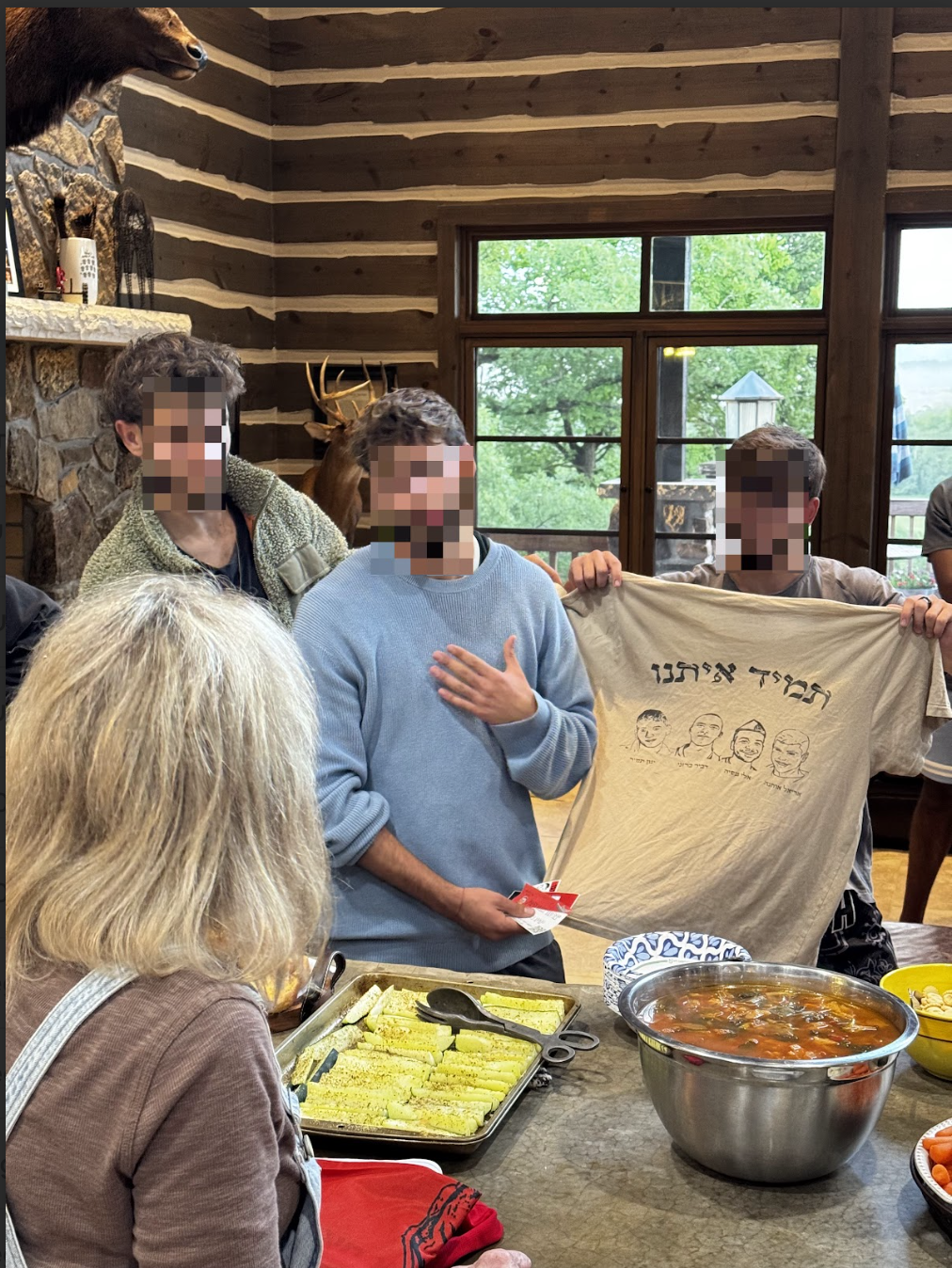
Shimon acknowledged that healing from his service in the war is an ongoing process, but said HiN provided an important starting point.
(Courtesy: Healing in Nature)
“The Healing in Nature journey did not only help me with what I went through in Gaza, but in general,” he told The Media Line. “The program helped us look at our service and everything we have gone through in our lives and gave us space to talk … and leave the pain behind.”
He said he continues to use the tools he gained from the program in his daily life.
“I am building a better life and developing more and more as a person,” Shimon concluded. “I am a much better person than I was before I started the HiN journey.”
This report is part of Traumatech, a series developed and created by Maayan Hoffman and debuting on The Media Line. The series explores how Israel is building and exporting breakthrough mental health technologies that can transform life at home and bring hope to communities worldwide.