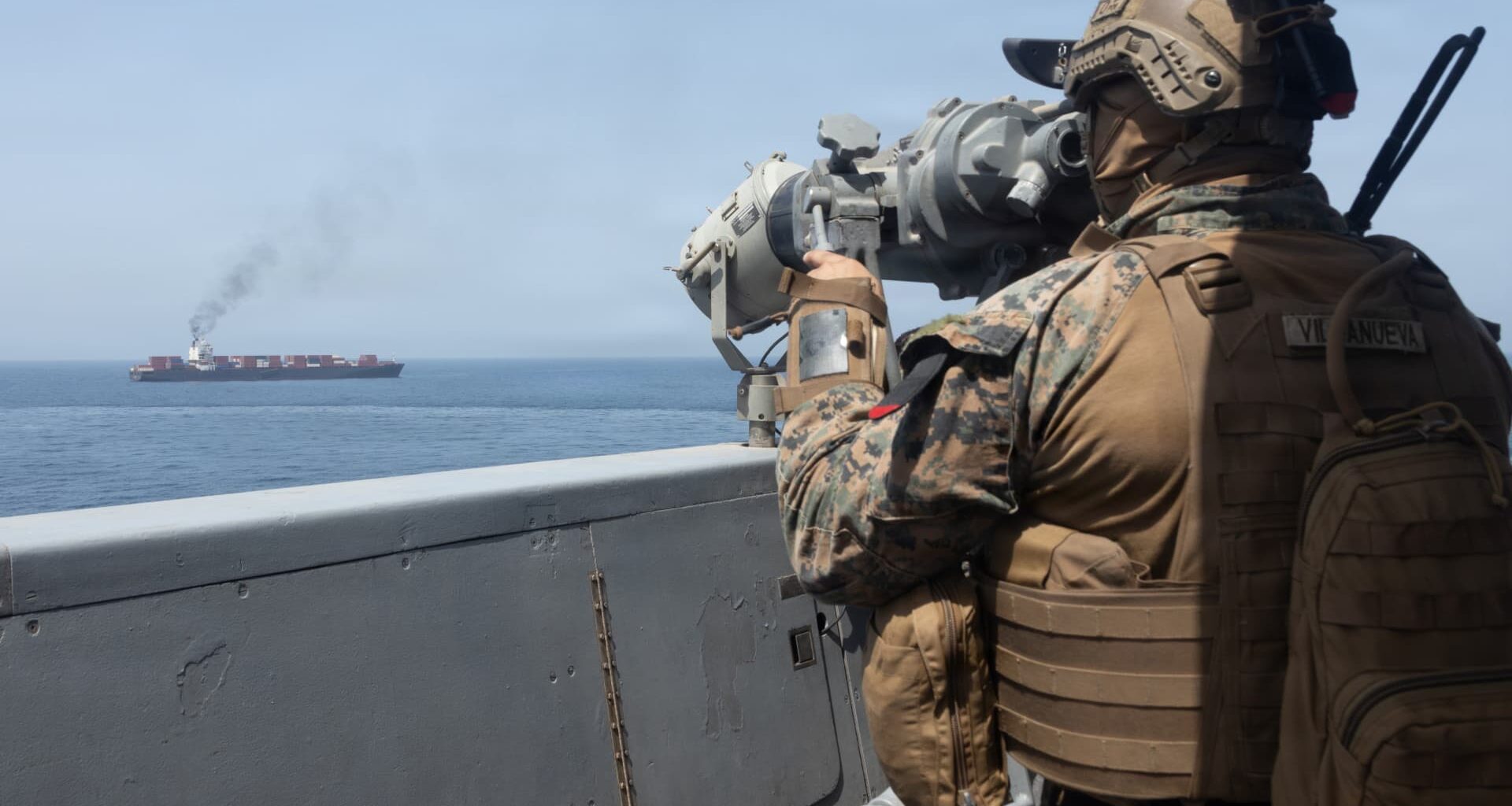
President Donald Trump is waiting for Iran to blink in negotiations to end the war in the Middle East after calling off peace talks over the weekend, while Iran keeps the Strait of Hormuz closed and the U.S. maintains its naval blockade of the vital sea lane. But Wolfe Research warns that the current standstill could create unintended consequences. U.S. equities fell in March due to fears that the U.S. and Iran would escalate the conflict. Those worries eased after the two agreed to a ceasefire and investors turned their attention to strong corporate profits, reigniting confidence in the artificial intelligence trade. But while the stalemate likely means escalation is less of a risk for now, Wolfe’s head of U.S. policy and politics Tobin Marcus warns that a new risk is coming. “Unless the blockade actually succeeds at forcing rapid capitulation, it will extend the closure of the Strait for weeks if not months, while also taking Iranian (oil) supply off the market,” he wrote in a report on Sunday. .SPX mountain 2026-02-27 S & P 500 since Feb. 27, 2026 While stock investors have shown less concern in recent weeks with whether the strait is usable, oil markets have, Marcus wrote. Brent crude futures were above $107 again on Monday. The longer the strait is closed, the higher oil prices could go, the analyst said. “We remain concerned that with the Strait remaining closed, disruptions could deepen to the point that they’ll once again demand equity markets’ attention,” he wrote. The blockade could also lead to a return to violence, Marcus warned, noting that if the blockade lasts long enough to force Iran to run out of oil storage capacity, the Islamic Republic could move to retaliate violently. “We don’t expect the blockade to generate real desperation within days — but if it really does last for weeks or months, we’ll need to consider the possibility that Iran will lash out rather than capitulate,” Marcus wrote.