
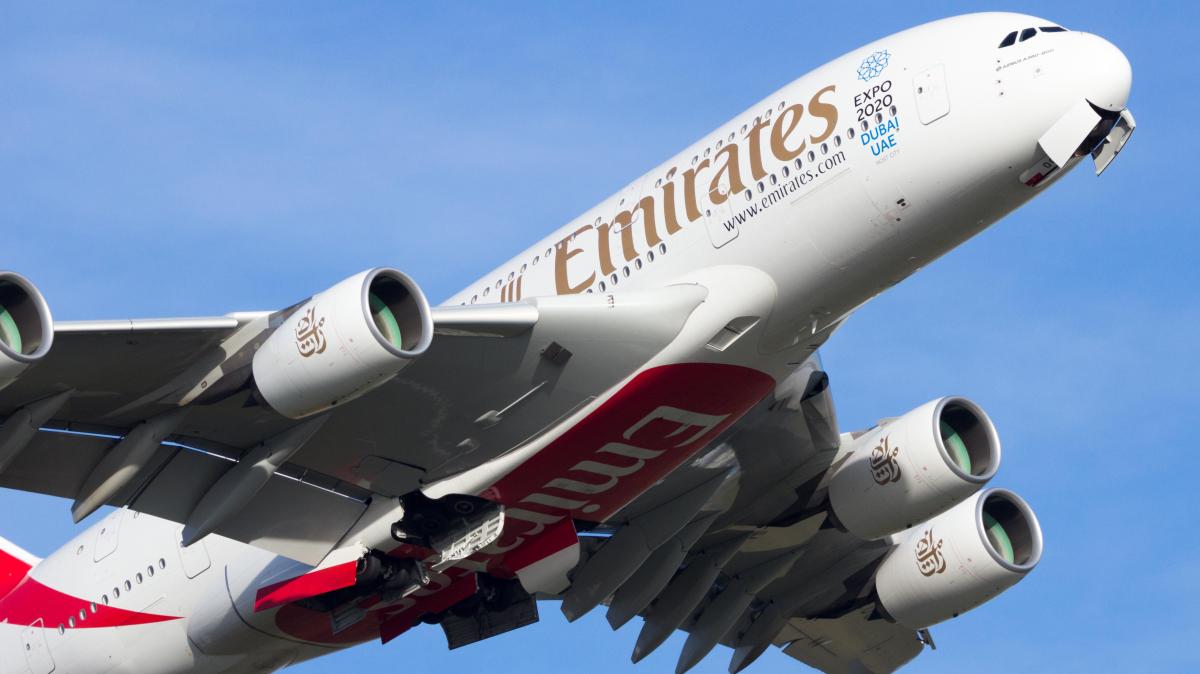
Emirates will ban passengers from using power banks on its aircraft as fears rise of mid-air fires breaking out.
The airline is the latest to raise concerns over the hugely popular devices that can charge phones and tablets while people are on the move.
The ban, which will come into force on October 1, means a passenger can carry a power bank which is under 100 watt-hours onto the aircraft, but cannot use it to charge a device. A watt-hour is a unit that measures how much energy a battery can store.
The power bank must be placed in the seat pocket, or in a bag under the seat in front, not in the overhead storage. The devices are already forbidden in checked luggage.
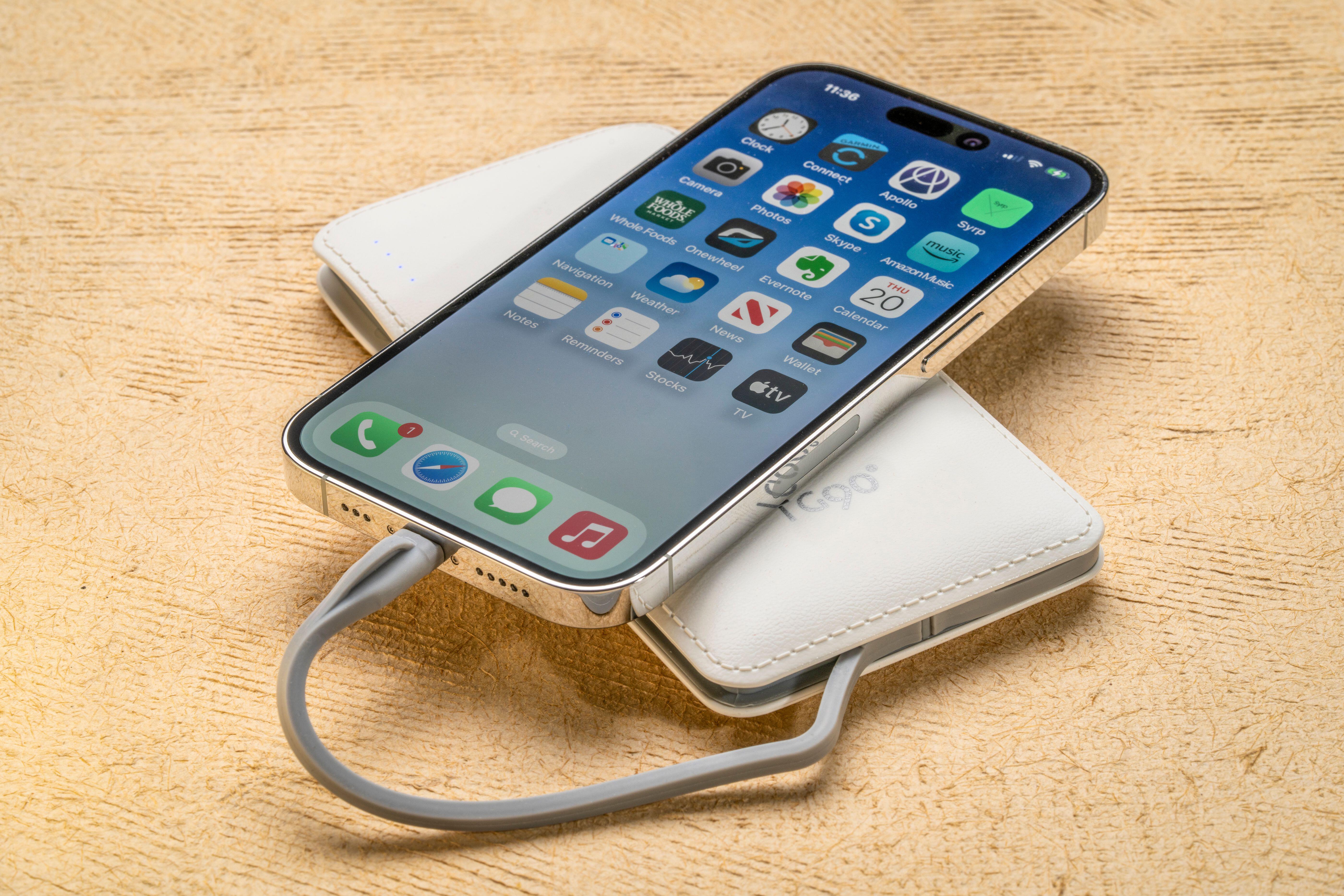
Power banks are often used to keep mobile phones and laptops are full charge
ALAMY
In a statement, the Dubai-based airline said: “There has been a significant growth in customers using power banks in recent years, resulting in an increasing number of lithium battery-related incidents on board flights across the wider aviation industry. New regulations will significantly reduce risks associated with power banks by prohibiting their use while on board the aircraft.”
It said that storing passengers’ power banks in “accessible locations within the cabin ensures that in the rare event of a fire, trained cabin crew can quickly respond and extinguish the fire”.
The lithium-ion batteries have become a major concern for airlines and aviation safety regulators. The biggest fear is the risk of the devices overheating, which can lead to fires or even explosions.
The move by Emirates is likely to trigger a wave of carriers restricting the use of power banks. A number of Asian airlines, including all South Korean operators, have already imposed restrictions. Singapore Airlines, Qantas and Thai Airways have all restricted their use.
Last year, three incidents of overheating lithium batteries on planes were recorded globally every two weeks by the Federal Aviation Administration, the US regulator, compared with just under one a week in 2018.
Many airlines have already updated their pre-flight safety videos to tell passengers to immediately inform cabin crew if a battery pack begins to overheat.
In January, the cabin of an Air Busan Airbus A321 was destroyed before take-off in a fire that officials said was likely to have been caused by a power bank. All the passengers were able to escape. South Korea later took the decision to ban the storage of the devices in overhead compartments.
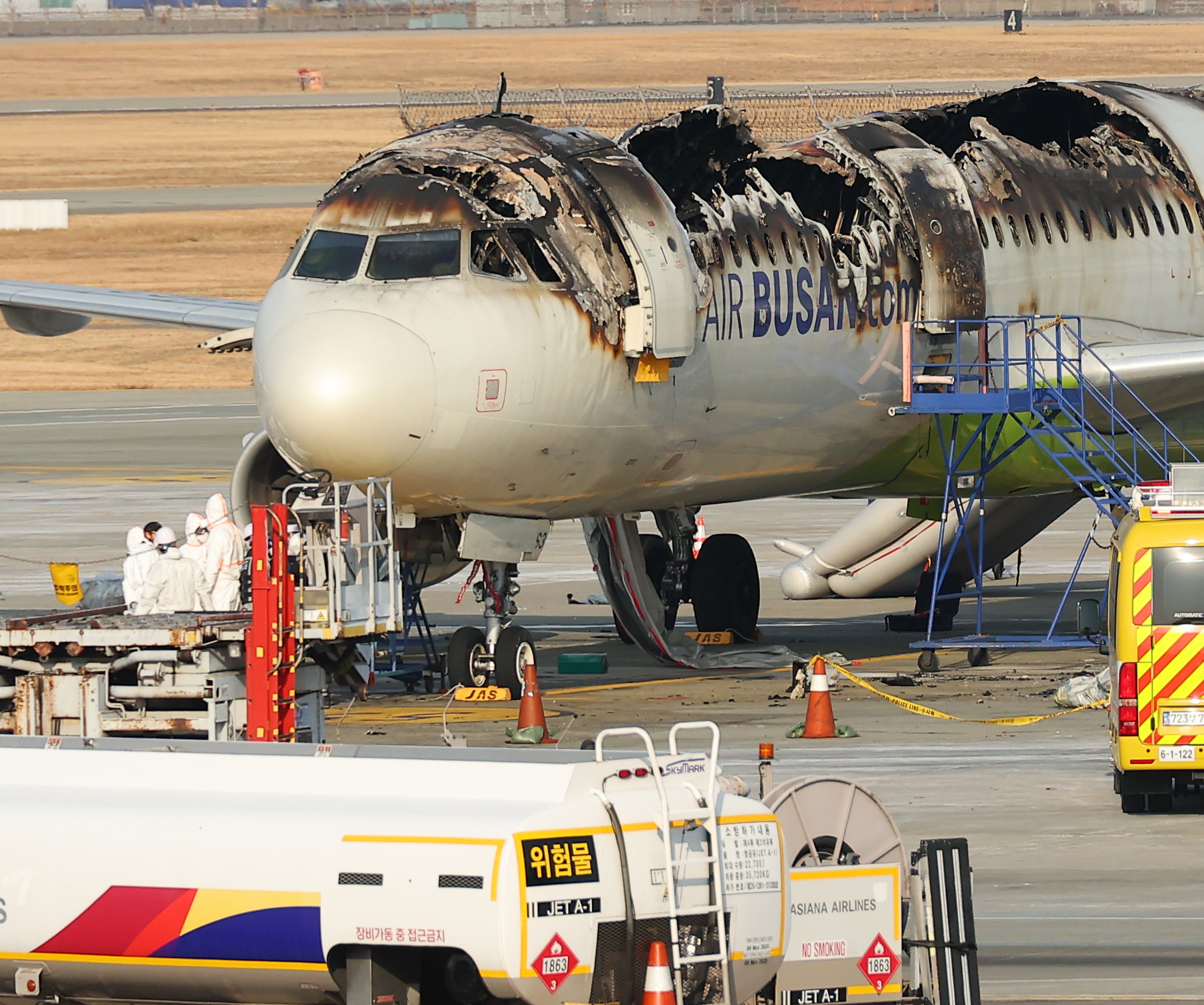
The Air Busan Airbus A321 that caught fire before take-off
YONHAP/EPA
Delta Air Lines, Hawaiian Airlines, JetBlue, and Virgin Australia have reported incidents with power banks this year, but all have been contained in-flight.
The Civil Aviation Authority, the UK regulator, does not have a blanket ban on the devices but said that passengers must check with their airline.
It advised: “Poorly manufactured, faulty and misused lithium batteries and those which have not been protected against short circuit can experience something called ‘thermal runaway’. This results in them getting so hot that they can catch fire, explode and ignite other nearby batteries.”
EasyJet and British Airways both prohibit battery packs in checked bags but allow the devices in the cabin, including for charging. Both allow passengers to carry devices up to 160 watt-hours without prior approval. The devices must not be damaged or have been tampered with.