
Athletes could have five seasons of eligibility to play college sports but would have five years from high school graduation to complete their careers under new rules being pushed by the NCAA, which is seeking uniformity and a solution to litigation over eligibility rules.
The new rules, if passed, would impact athletes with eligibility remaining in the 2026-27 season. Existing rules that allow players to compete in four seasons across five years would remain in place for athletes whose eligibility has expired or expires at the end of the spring.
“The time is now to reform the period of eligibility rules to provide Division I student-athletes and our schools clear and consistent standards that align with current college athletes’ experience,” said Tim Stands, Virginia Tech’s president and the chairman of the NCAA’s Division I Board of Directors.
The board directed the Division I Cabinet to advance the new rules, which would allow five years of eligibility beginning with the regular academic year after they turn 19 or graduate from high school — whichever is earlier. The Cabinet is expected to meet in May.
President Donald Trump signed an executive order in April directing the NCAA to create rules around five years of eligibility.
ESPN reported that the new model would include exceptions for pregnancy, military service and religious missions. But it would do away with redshirt seasons.
In 2020, the NCAA granted all current athletes an additional year of eligibility due to the COVID-19 pandemic. Football players have been able to play up to four regular-season games and additional postseason games without it counting as a year of eligibility.
But players have taken the NCAA to court over a myriad of eligibility-related cases in recent years. Some have won additional years with players competing for six, seven, eight and even nine years at the college level.
Ole Miss quarterback Trinidad Chambliss was granted a sixth year of eligibility by a judge in Mississippi in a high-profile case this spring. Others, including Heisman Trophy runner-up Diego Pavia, challenged the NCAA’s rules about counting junior college years, leading to a one-time NCAA waiver. The NCAA has won the majority of eligibility cases, including cases involving UNC, Duke and NC State athletes who were seeking additional eligibility. The NCAA is hopeful that a consistent rule will help in litigation.
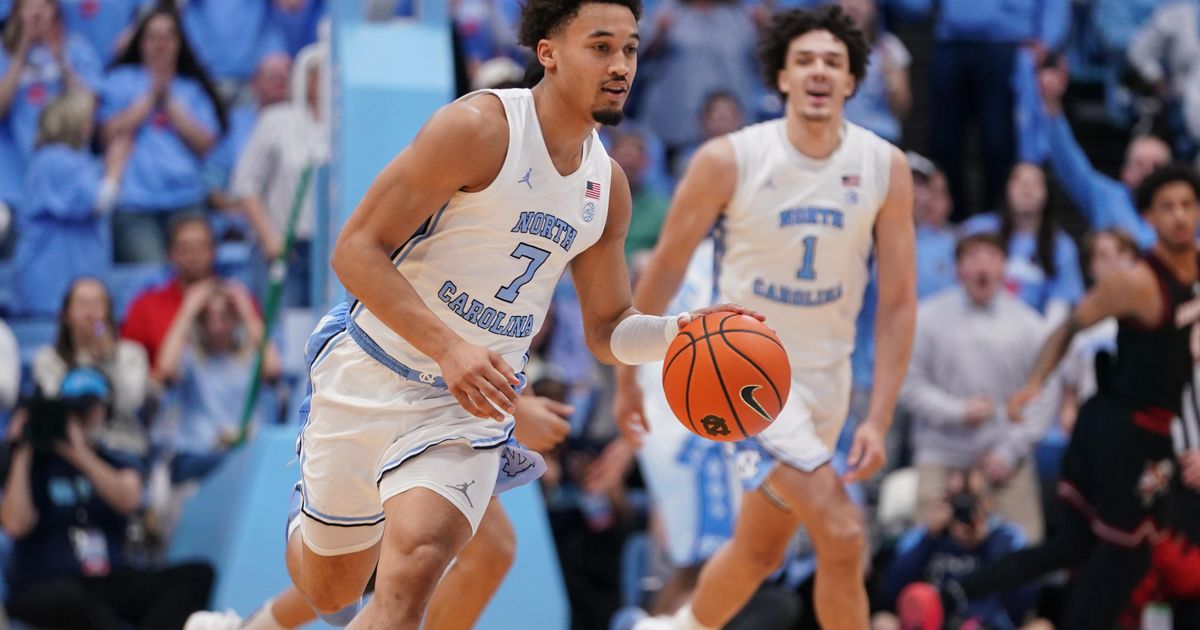
The new rules wouldn’t apply to players who have completed their eligibility under the old rules, such as North Carolina men’s basketball player Seth Trimble. Trimble played four seasons for the Tar Heels, but has entered the transfer portal in order to preserve his options should the NCAA allow a fifth season.
But the NCAA could face legal challenges on its new rule from players left out.
“So we had to play with and against 5th years our entire time in college but we don’t get one? And everyone after us gets one too?” said former UNC, Virginia Tech and Vanderbilt basketball player Tyler Nickel on social media. Nickel played at Vanderbilt in 2025-26, his fourth season of high-level college basketball. He averaged a career-best 13.5 points and 3.3 rebounds.