
PIF launched an audit of the project after Al-Nasr’s departure late last year and the brief opening of Sindalah, the luxury $4 billion Red Sea island intended to showcase NEOM’s potential and prove to skeptics that the wider project was progressing. But after a glitzy launch party in October, Sindalah was shut down and its fate is uncertain.
NEOM moved its headquarters to northwest Saudi Arabia in 2020, forcing staff to relocate to what was then — and, except for the people actually working on it, largely still is — a remote and mostly uninhabited site. Employees were put up in temporary cabins and provided round-the-clock canteens, gyms, and schools. The cushy lifestyle broke through in viral videos last year, with residents showing off the camps, to the chagrin of management.
The company already has Riyadh offices, which are set to expand under the current proposals.
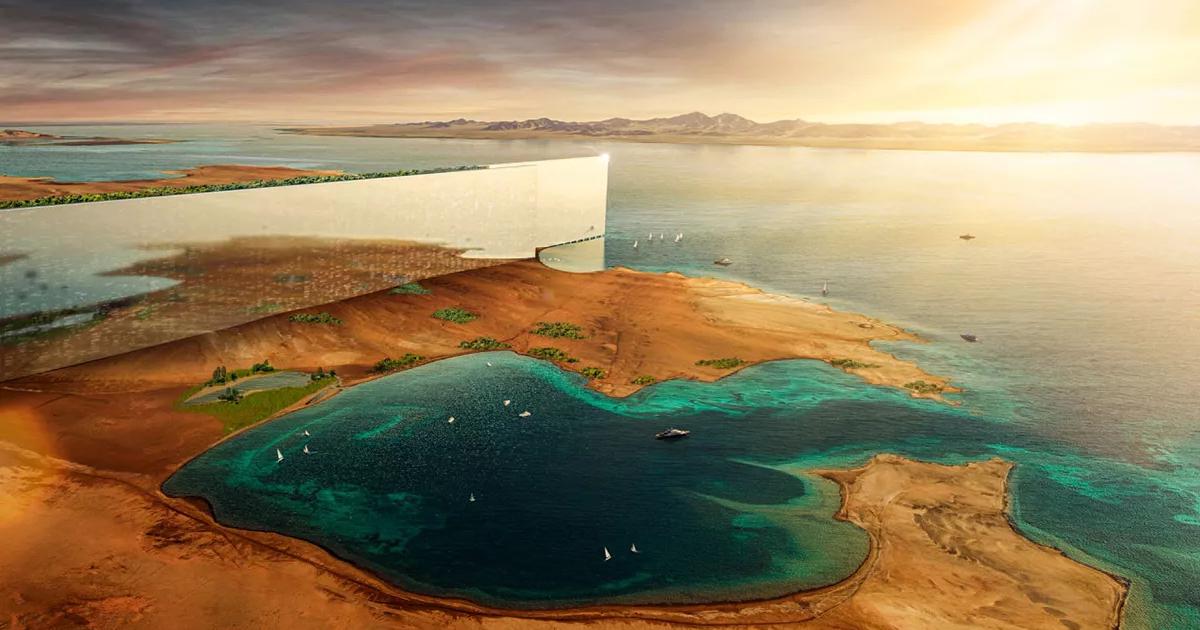
Early stage work on The Line, twin mirrored skyscrapers intended to stretch for 170 kilometers (106 miles), has been underway for several years, although focus has shifted to completing a smaller part of the towers by 2030. The industrial city and port known as Oxagon is progressing along with one of the world’s largest green hydrogen plants. NEOM is also building Trojena, which will host the Asian Winter Games 2029.
Mike Cheung, the head of audit at PIF, has been spending more time in NEOM to lead a review of progress and spending. Concentrating NEOM’s staff in Riyadh is also seen as a way for PIF to strengthen oversight, the people said. Al-Nasr said last year that NEOM employed around 5,000 full-time staff from 100 countries including Saudis, Europeans and Americans. A further 140,000 additional contractors were also working on the site, Al-Nasr said at the time.
Saudi Arabia is also looking to hire a consultant for a “strategic review” of The Line, the futuristic linear city intended to be at the core of NEOM, Bloomberg reported this week.