
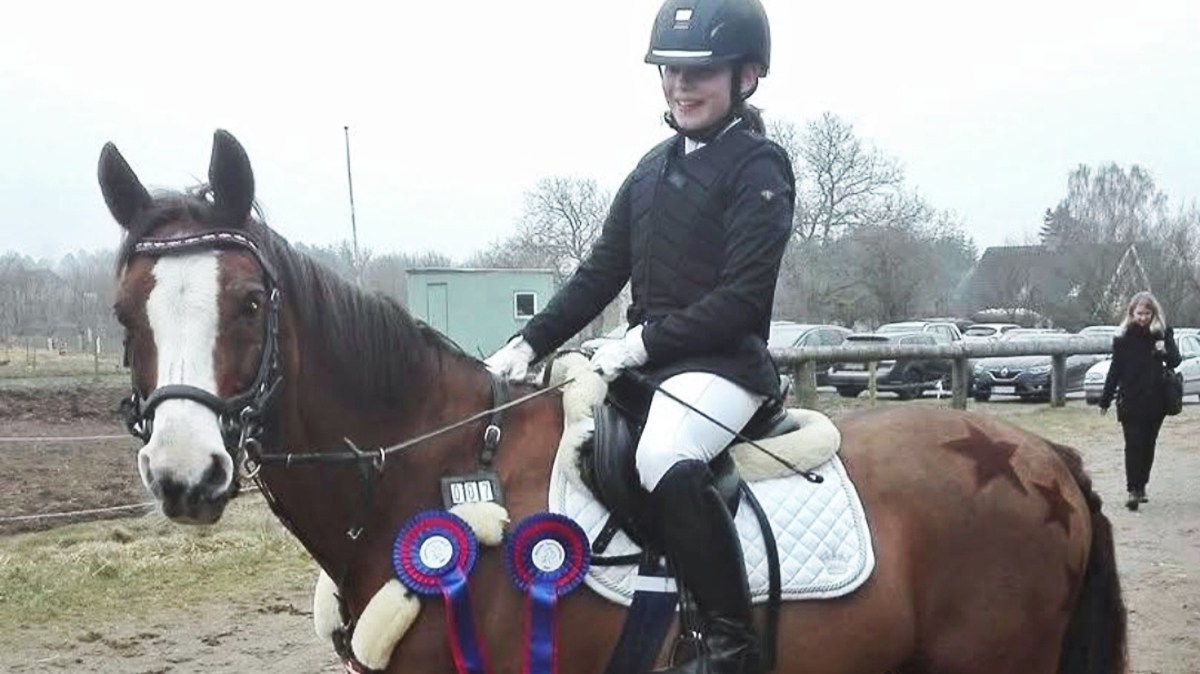
When Pernille Sohl decided her teenage daughter’s beloved pony was in so much pain that it would be kinder to put him down, she could simply have taken him to the vet.
Instead, she drove him to Aalborg Zoo, where he was euthanised and fed to the lions.
The zoo, one of Denmark’s most popular, faced a global backlash last week after it issued a Facebook appeal for people to bring in not just horses but also smaller pets to use as food.
Sohl, 44, wonders what all the fuss is about. “It might sound very dramatic and bizarre that you would feed your pet to animals in the zoo,” she said. “But they are going to be put down anyway and it is not like they are alive when they are given to the predators.”
Many Danish pet owners appear to agree with her: so far this year Aalborg Zoo has received a total of 22 horses, 137 rabbits, 53 chickens and 18 guinea pigs, which have been turned into dinner for the lions, tigers, European lynxes and other carnivores who live there.
Most other Danish zoos have also long since welcomed donated pets, so long as they meet certain health criteria. Cats and dogs are not accepted.
It was in 2020 that Sohl, who runs a small farm in Assens in southwest Denmark where children with mental health issues can spend time with horses, decided that Chicago 57, a German riding pony, had to be put down.
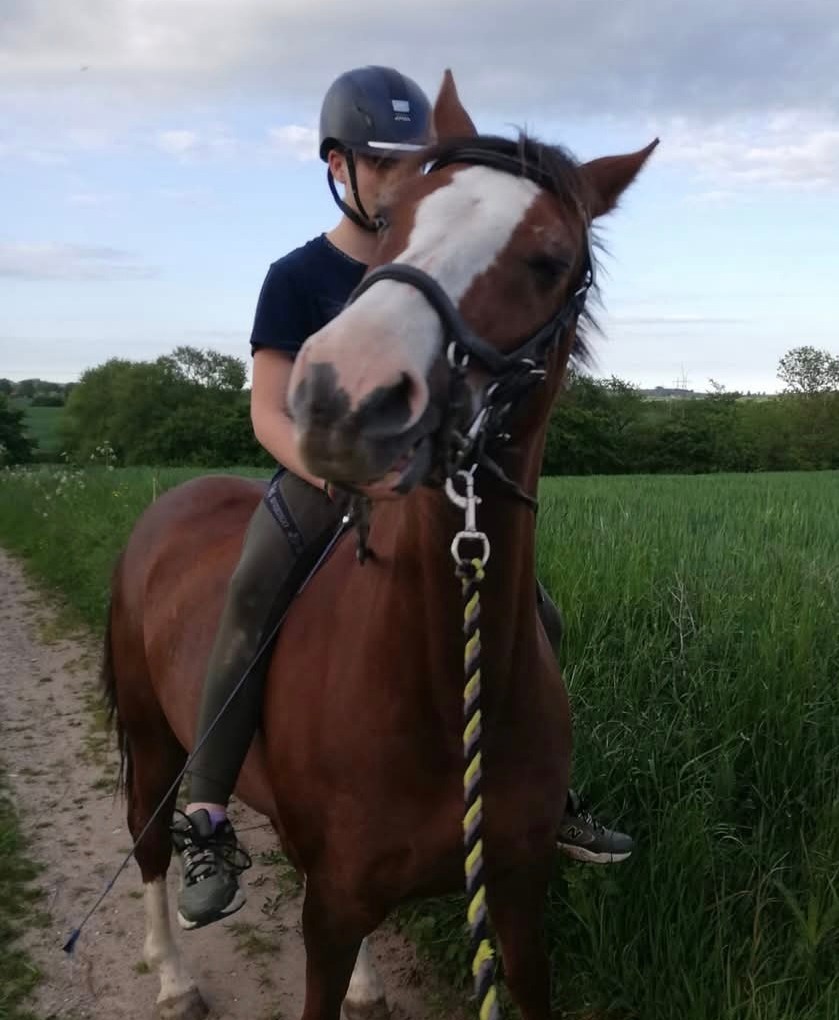
Angelina and Chicago 57
PERNILLE SOHL
Aged 22, he was suffering from a form of eczema triggered by mosquito bites that became much worse in the summer, causing irritation and open wounds. By the end he had to wear a jacket and protection on his legs.
Sohl let her daughter, Angelina, then aged 13, decide what to do next. “I gave Angelina the various options and she chose the one with the zoo, because it made the most sense,” she said.
“She had previously watched one of my horses being taken away by the vet to be euthanised, and it was a bad experience for her. She said that this time she wanted to follow the food chain. She wanted Chicago 57 to benefit other animals.”
Aalborg Zoo, a 150-mile drive north, was the only one able to take him at short notice. “The journey was not stressful for him,” she insisted. “I would never have done it with a horse that wasn’t used to being carried around in a trailer.”
Sohl was present when the pony was humanely killed with a bolt gun. “There was a zookeeper standing there cuddling and kissing him — as if it was me standing with him,” she said. “I got to say a final goodbye.” She was told afterwards that his carcass had been fed to the zoo’s lions.
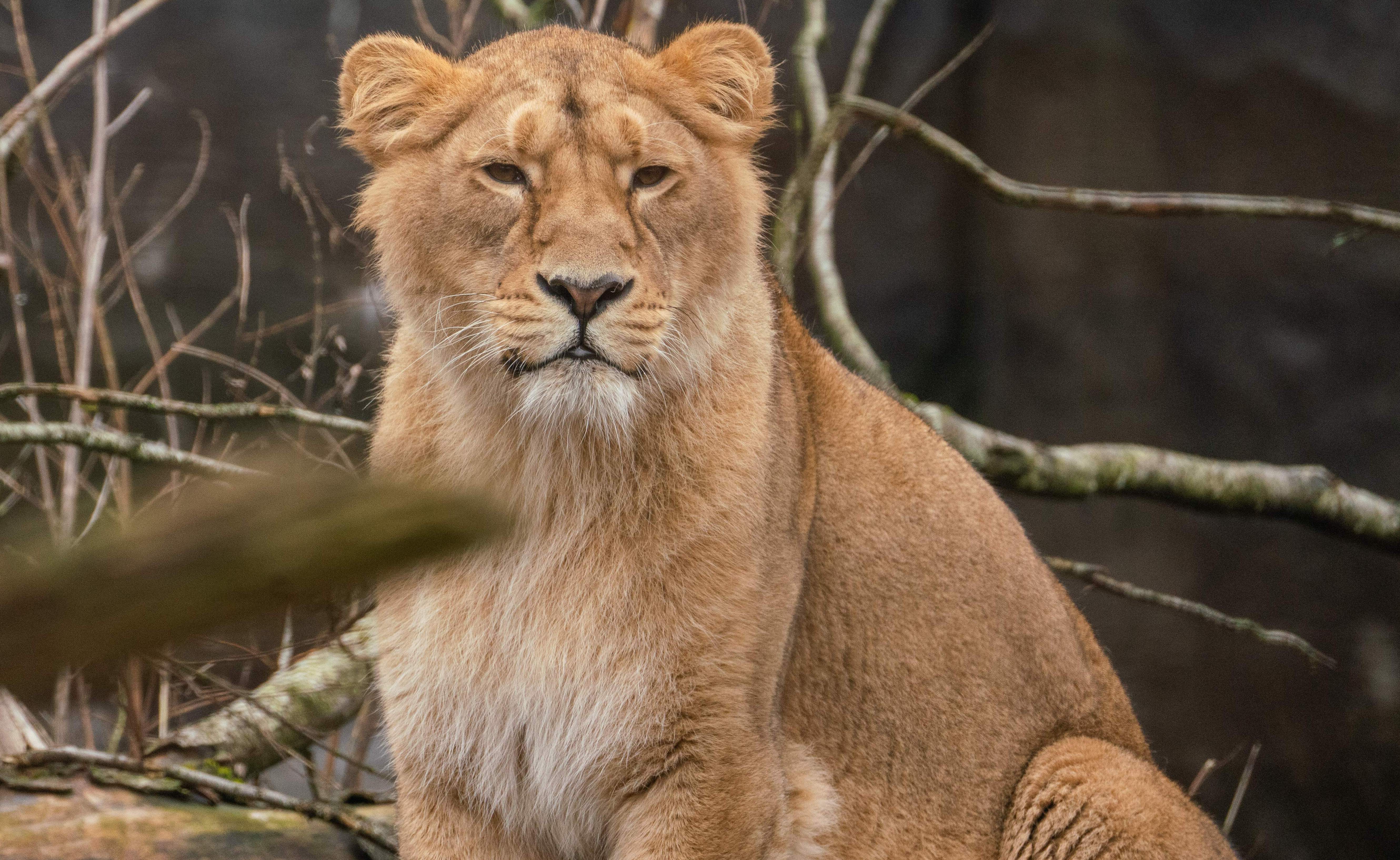
One of the lions at Aalborg Zoo
AALBORG ZOO
She was so impressed by the process that when Quantus, another of her horses, died last year, she again contacted Aalborg.
This time she was turned down because Quantus was taller than the maximum 147cm (14.2 hands) for his body to fit in the zoo’s refrigerator. His remains were instead turned into dog food.
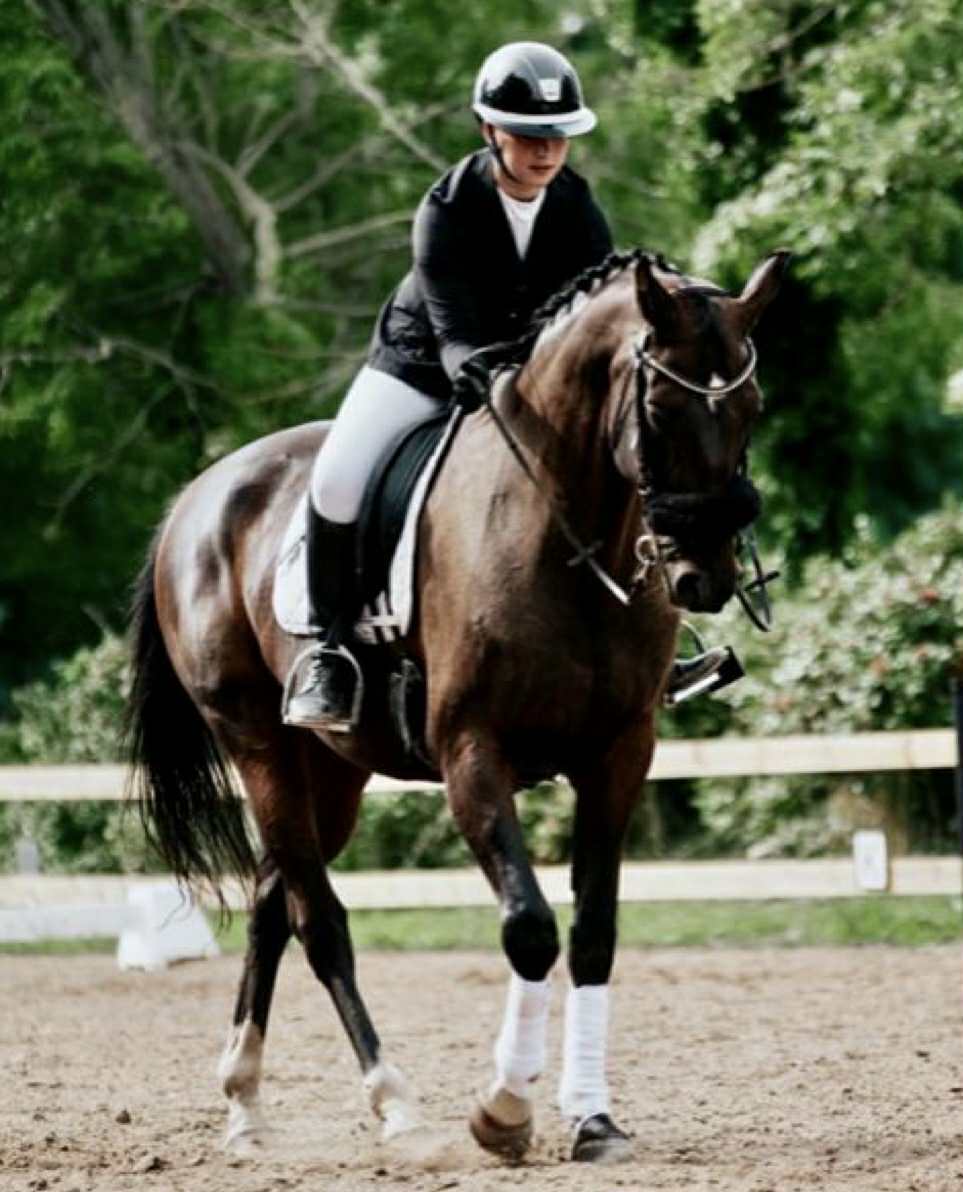
Angelina with Quantus
COURTESY OF PERNILLE SOHL
Sohl did not receive any payment from Aalborg Zoo but was pleasantly surprised to find she would get a tax rebate. Donors get a deduction of DKK100 (£11.60) for each small animal and DKK5 for each kilogram of horse.
Helen Hjortholm Andersen, from Jutland, found herself in a similar situation in May with Paprika, her 20-year-old Shetland pony, who had become unable to walk after a seizure and had a poor quality of life.
Her vet had advised her to leave the pony in the field to let nature take its course, but for Andersen the idea of having Paprika then taken away with a pile of other dead animals was really difficult. It would also have been very expensive.
“The price for picking up a horse is grotesquely high,” she said. “They justify it by saying that it is because a horse has been a pet, so they can’t use it for much. In comparison, a cow that weighs more than a pony costs less than half of that.”
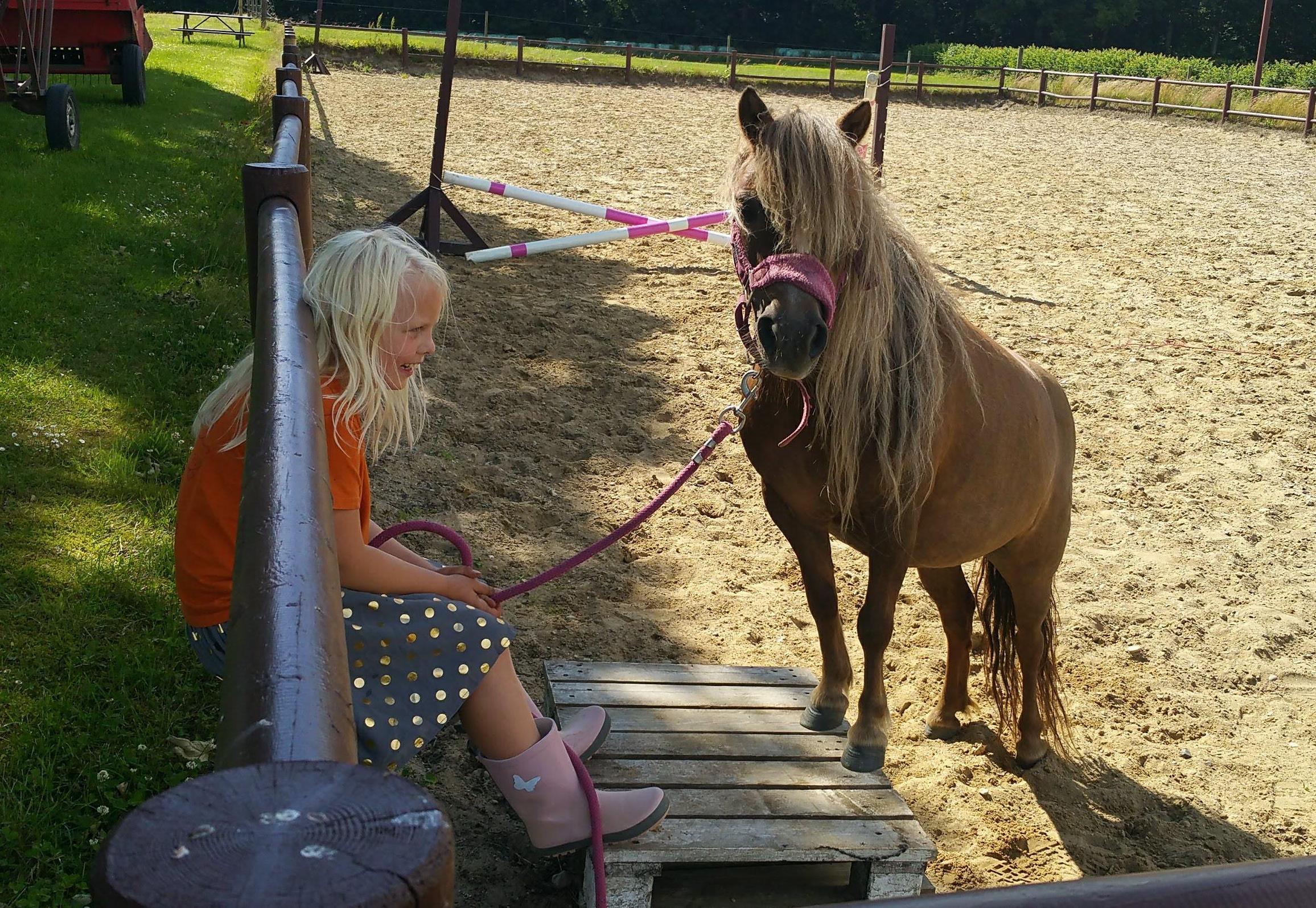
Helen Hjortholm Andersen’s daughter, Stephanie, with Paprika
COURTESY OF HELEN HJORTHOLM ANDERSEN
She instead took Paprika to Jyllands Park Zoo, which operates a similar programme to Aalborg.
“The idea that she could be of benefit made sense,” said Hjortholm Andersen. “We would do it again. We like the idea of the cycle of life, and that a pony can help to create life for other animals.”
Aalborg Zoo, which attracts almost half a million people a year, has been receiving such donations since it was founded in 1935.
“We have always done it, as long as the zoo has existed,” Anette Sofie Warncke Nutzhorn, the chief zoologist, told Ritzau, the national news agency. “The debate has surprised us, but we are happy to take it and stand by it. We are put into the world to talk about nature and ecosystems.”
• ‘Baboon massacre’: German zoo feeds culled primates to the lions
A statement on its website explains: “Predators need whole prey — including fur, bones and organs — as it contributes to both enrichment, nutrition and wellbeing. By allowing necessary kills to become part of the food chain, we avoid waste and instead create a meaningful farewell where the animal can benefit both the predators in the garden and nature.”
Copenhagen Zoo, meanwhile, receives about 50 horses a year. “You can compare it to avoiding food waste,” the zoo’s director, Mads Bertelsen, said.
Nevertheless, Aalborg Zoo’s appeal led to a number of hostile responses from Denmark and across the world. The zoo has since closed its Facebook post to comments. “We understand that the post awakens feelings and interest, but hateful and malicious rhetoric is not necessary,” it wrote. “And we urge you to preserve the good tone.”
Nuremberg Zoo in Germany also faced a storm last week after announcing that it had culled 12 Guinea baboons due to chronic overcrowding in their enclosure. Half were then fed to lions, tigers, maned wolves and marbled polecats, and the skeletons of others will be put on display in a museum.
The animals were decapitated and their hands and feet removed “out of respect for visitors” who would see the carnivores feeding, Jörg Beckmann, the zoo’s deputy director, told DPA, the German news agency.
Under fire from animal rights groups, the zoo acknowledged that people might be “confused, affected, or angry” about the cull but stood by its decision. Typically, zoos buy the bulk of the food for their carnivores from licensed suppliers, though some may supplement this with roadkill or animals from other sources.
At Colchester Zoo in Essex, for example, the Komodo dragons are fed with muntjac deer caught by local hunters.
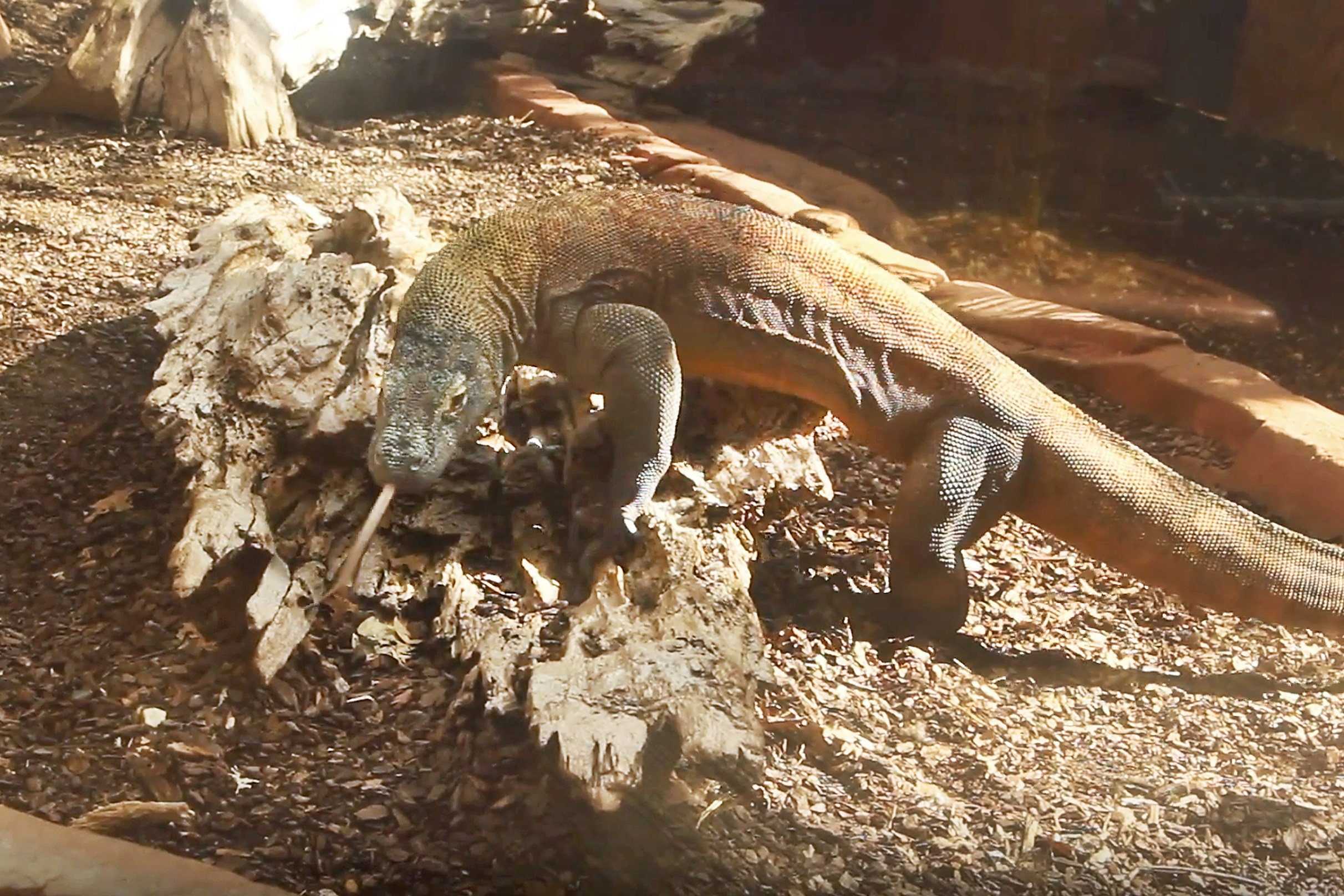
London Zoo says it only uses meat from verified sources that are approved by the Department for Environment, Food and Rural Affairs or have licences to supply zoos.
“We have to be very careful regarding health and hygiene in order to keep the animals in our care safe and healthy, including knowing the latest health status and medical history of any animal that would be used to feed our carnivores,” a spokeswoman said.