
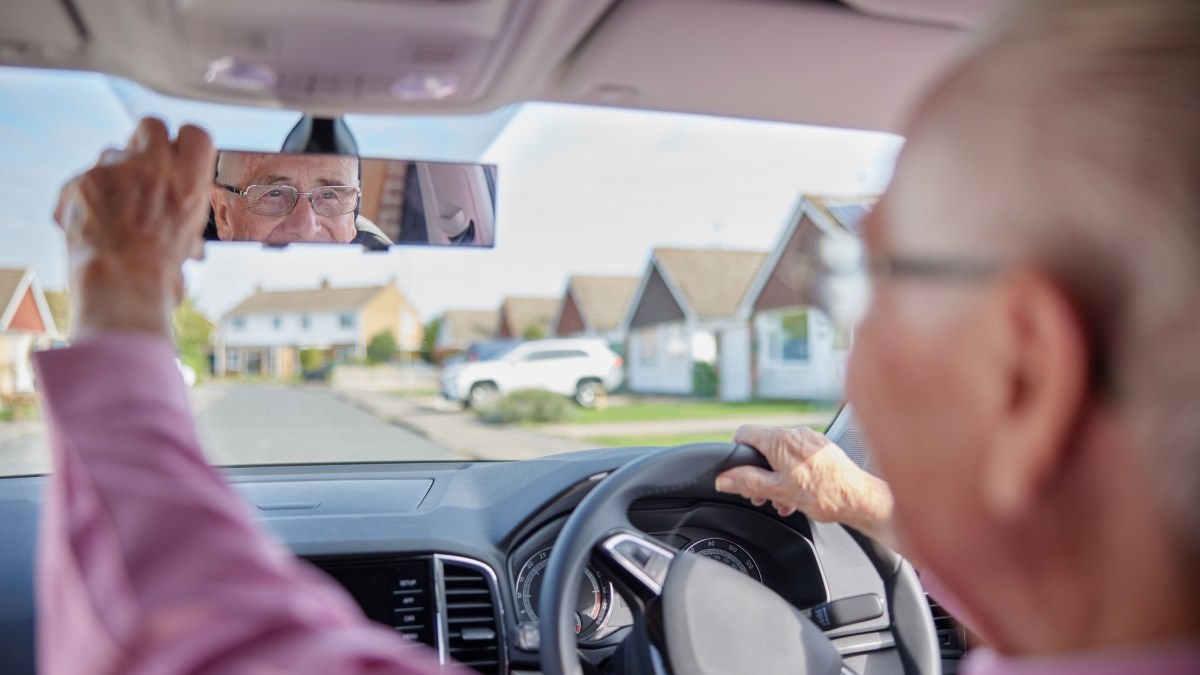
Drivers over the age of 70 would be banned from the roads if they fail compulsory eye tests under a radical overhaul of the UK’s road safety laws being drawn up by ministers.
In what is expected to be the biggest shake-up of driving rules for almost two decades, the government would look to reduce the drink-drive limit and punish drivers with penalty points if passengers failed to wear a seatbelt. There could also be tougher penalties for uninsured drivers.
The measures are expected to be contained in a new road safety strategy, due to be published in the autumn. Government sources said it would represent the most far-reaching reforms since the Road Safety Act came in under Tony Blair in 2006.
It comes amid growing evidence that deaths and serious injuries on Britain’s roads are rising after years of significant declines.
Figures show that last year 1,633 people died in road traffic accidents, while nearly 28,000 were seriously injured — the equivalent of about one casualty every 18 minutes.
Between 2000 and 2010 serious road casualties almost halved from 41,000 to 24,000 but since then have risen by nearly 20 per cent.
Ministers believe that the figures show that key road safety messages about wearing seatbelts and avoiding drink-driving no longer work. They are concerned around a rise in drug-driving and the number of older people who continue to drive, despite having failing sight and other medical conditions.
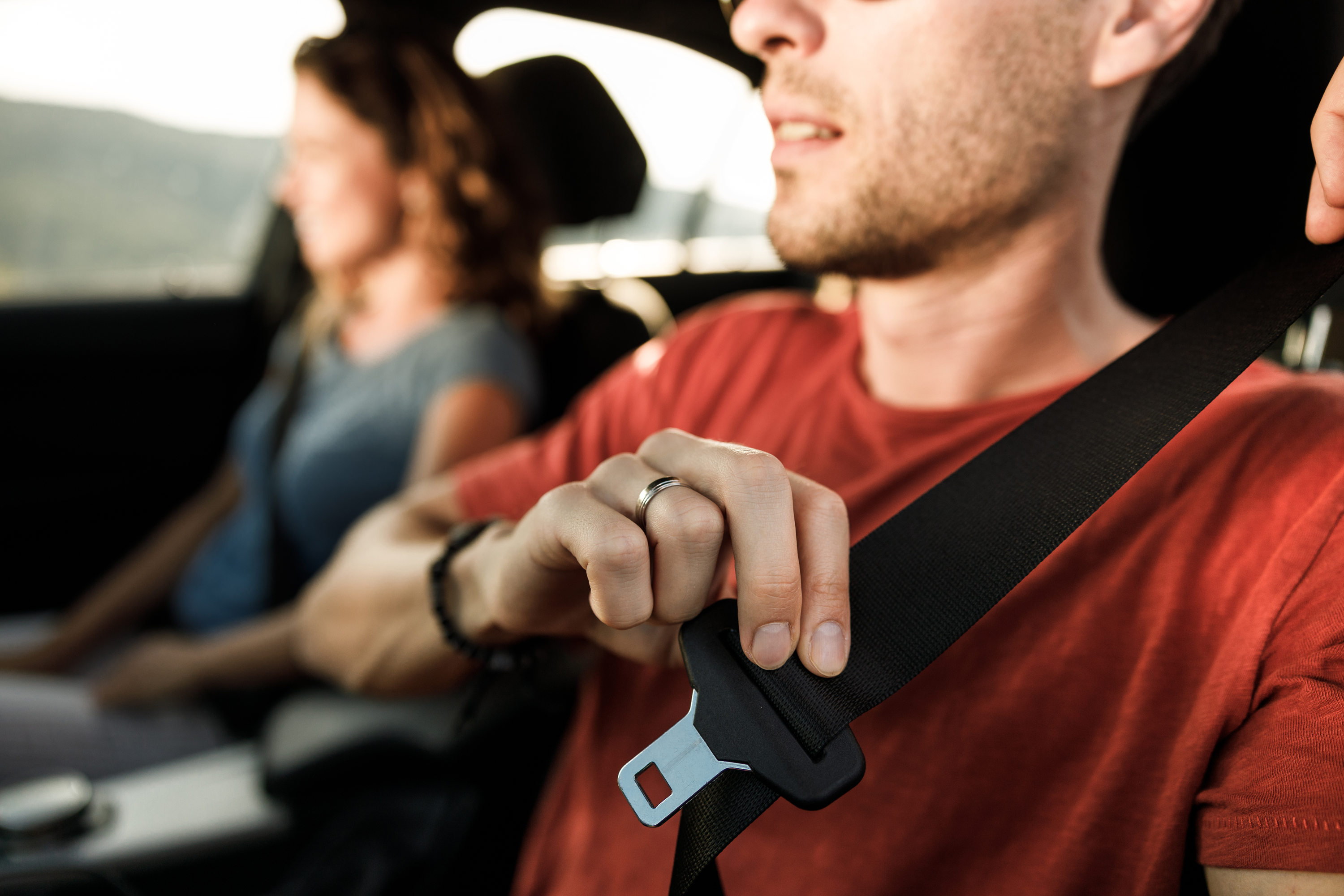
The percentage of all those killed in road traffic accidents who were not wearing a seatbelt has risen from 21 per cent in 2014 to 25 per cent in 2023
SKYNESHER/GETTY IMAGES
A recent coroner’s report on the deaths of four people killed by drivers with failing sight warned that the UK had the “laxest” rules in Europe, as one of only three countries to rely upon self-reporting of visual conditions affecting the ability to drive. The number of drivers over the age of 60 involved in collisions where someone is killed or seriously injured on Britain’s roads has increased by 47 per cent since 2010.
Under plans being developed by the transport secretary Heidi Alexander, the government intends to introduce a wide-ranging package of new safety measures and increased penalties for breaking the law.
These include a new requirement for an eye test for the over-70s every three years when they renew their driving licence, as well as a potential medical test for conditions such as dementia. Existing law states that three penalty points will be issued to drivers who are not wearing a seatbelt and a maximum fine issued in court of £500. Passengers in possession of a licence who do not wear a sealtbelt can be issued with two penalty points.
The percentage of all those killed in road traffic accidents who were not wearing a seatbelt has risen from 21 per cent in 2014 to 25 per cent in 2023. This rose to 40 per cent for back-seat passengers. In 2020 there were 142 non-seatbelt wearing fatalities compared with 181 in 2023.
• Drivers’ risk of dying in crash triples over the age of 75
Ministers are also expected to reduce the drink-drive limit in England and Wales from 35 micrograms of alcohol per 100 millilitres of breath to 22 micrograms — the current level for Scotland.
They will also seek to make it easier for police to bring prosecutions for drug-driving by allowing them to rely on roadside saliva tests for evidence rather than blood tests. There has been a 78 per cent increase in the number of drivers killed on Britain’s roads in the past decade who were found to have drugs in their system.
Other proposals being considered include increasing the criminal penalties for driving without insurance and measures to tackle so-called ghost plates that cannot be read by automatic number-plate recognition cameras.
• Driving in Britain increasingly miserable, survey finds
A government source told The Times that ministers believed they had a “responsibility” to start reducing road traffic accidents again.
“It cannot be right that one person is killed or seriously injured on our roads every 18 minutes,” they said. “Just think of the impact on those people and their families. We cannot sit by and simply do nothing.”
The new road strategy is expected to be published in the autumn and will be put out to consultation. Parts of it are expected to require primary legislation.
Edmund King, the president of the AA said such a strategy was “long overdue”.
“It is in everyone’s interests to tackle road safety and bring the levels of death and serious injuries down significantly,” he said.
“In other countries, such as Australia and Canada, the introduction of new measures to help young drivers have reduced death and serious injury from between 20 per cent and up to 40 per cent. Hence if the UK scheme saw similar reductions, it is estimated that at least 58 deaths and 934 serious injuries could be prevented each year.”
But he added it would need to be combined with increased enforcement by police.
“The stark reality is that, as well as better education and tougher rules, we need more officers to police the streets — at least 1,000 more roads officers, not only to act as a deterrent, but to stop dangerous drivers in the act before a tragedy happens.”
Steve Gooding, the director of the RAC Foundation, said it believed professional eye testing should be a standard element of driver licensing for all drivers, including a requirement to provide evidence of a full eye test when first applying and thereafter at each renewal.
He said: “It will be important for any new strategy to recognise the priorities that we and others have highlighted — focusing on young drivers, crash investigation and mandatory fitment of safe-driving features in new cars — but also to maintain activity on established issues such as drink and drug-driving and seatbelt wearing.”
Behind the story
In 1979 86,000 people were seriously injured on Britain’s road — including 6,352 of whom died. But the advent of breath tests, the mandatory wearing of seatbelts and a raft of other road safety improvements saw that number rapidly fall over the following decades.
By 2000 the casualty rate had more than halved, and ten years later the number of deaths had fallen to only 1,850.
But in the years since then progress has faltered and in some respects got worse. Last year there were 1,633 fatalities, an increase of 1 per cent compared with 2023, while serious casualty rates have increased.
Road safety campaigners say there are several reasons for this. First, they say that successive governments took their eye off the ball and have deprioritised new road safety legislation.
They also warn that police are now too reliant on technology for law enforcement that cannot pick up on crimes such as drink and drug-driving.
Now there is to be an effort to change all that, with tougher sanctions and new restrictions on older drivers. However, whether there will be the extra officers to enforce the new rules remains to be seen.