
WASHINGTON (TNND) — Support for Israel — long considered a cornerstone of American foreign policy — is becoming one of the most politically divisive issues in the country, with growing backlash emerging inside both major parties as the wars in Gaza and Iran reshape public opinion.
Some of President Donald Trump’s most prominent MAGA allies are now openly criticizing his approach to Israel, exposing fractures inside the Republican coalition that once overwhelmingly backed the U.S.-Israel alliance.
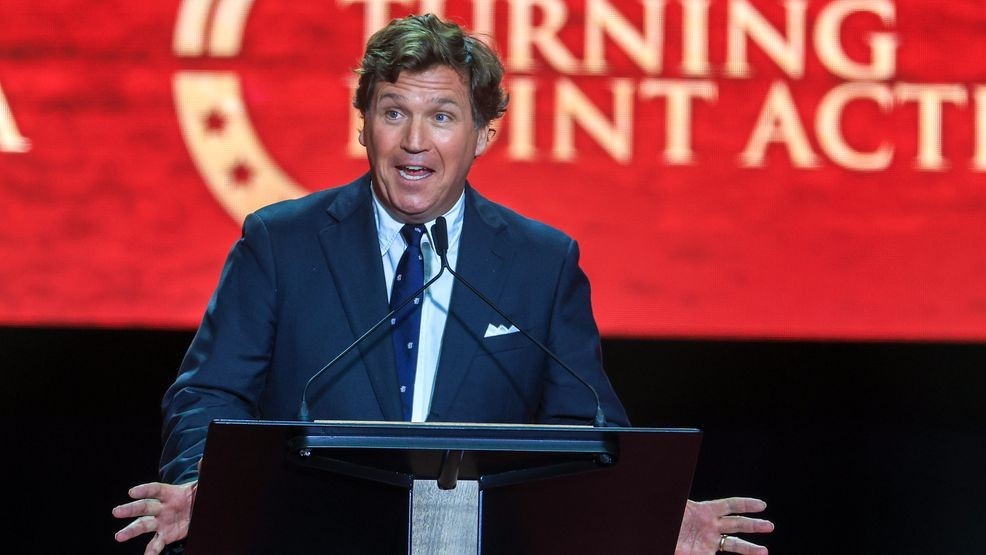
Conservative commentator Tucker Carlson recently accused American leaders of failing to restrain Israeli Prime Minister Benjamin Netanyahu, arguing the relationship no longer serves U.S. interests.
“It’s not an attack on Israel,” Carlson said in a recent interview. “It’s an attack on American leadership for not constraining its partner in a way that helps the United States.”
Former congresswoman Marjorie Taylor Greene has also intensified her criticism of pro-Israel lobbying groups and U.S. aid to Israel, saying she opposed continued taxpayer funding for the country during her time in Congress. She also blamed these groups for her exit from Washington.
The divide is even sharper among Democrats.
A growing share of progressive voters have turned against Israel, with recent polling showing large majorities of Democrats now hold unfavorable views of the Israeli government. The political tension was on display last month when pro-Israel Democratic congresswoman Haley Stevens faced boos at the Michigan Democratic Party’s spring convention.
Meanwhile, Democratic Senate candidate Abdul El-Sayed drew criticism after campaigning alongside progressive streamer Hasan Piker, who has faced backlash over past remarks defending Hamas operations.
The rising rhetoric has alarmed Jewish advocacy organizations concerned about increasing antisemitism in political discourse.
Oren Segal of the Anti-Defamation League warned that politicians and influencers across the political spectrum are helping normalize extremist rhetoric ahead of the midterm elections.
“I think that’s a huge problem that we’re seeing,” Segal said. “We’re honestly seeing it on all sides of the aisle.”
Recent polling suggests the issue is becoming a growing political liability for both parties. A CNN survey conducted in March found 47 percent of Republicans and 72 percent of Democrats said support for Israel was causing internal divisions within their party.
The shift appears especially pronounced among younger Americans. A recent Pew Research survey found 57 percent of Republicans under age 50 now view Israel unfavorably — a significant increase from 35 percent in 2022.
Conservative activist Laura Loomer recently claimed she warned Trump he could become “the last pro-Israel president we ever have,” a conversation she says the president agreed with. The White House has not confirmed that exchange.