
Beirut warns Tehran to stop interfering as dispute over Hezbollah’s disarmament escalates into a diplomatic confrontation.
The Ministry of Foreign Affairs and Expatriates of the Republic of Lebanon has issued a strongly worded statement condemning recent remarks by Ali Akbar Velayati, senior advisor on international affairs to the leader of the Iranian regime, as a “flagrant and unacceptable interference” in Lebanon’s internal affairs.
The statement, released on Saturday, came after Velayati denounced Lebanon’s plans to disarm Hezbollah, calling them part of a “conspiracy led by America and Israel.”
Lebanese Government: Sovereignty Is Non-Negotiable
In the official statement, the Foreign Ministry stressed that Lebanese sovereign decisions are not subject to foreign input.
“This is not the first such interference,” the ministry declared. “Some senior Iranian officials have repeatedly overstepped by making unwarranted statements regarding Lebanese domestic decisions that are of no concern to the Islamic Republic. Such conduct will not be tolerated under any circumstances.”
The ministry emphasized that Lebanon will not allow “any external party, whether friend or foe, to speak on behalf of its people or claim tutelage over its sovereign decisions.” It also urged Tehran to focus on the needs and demands of its own people instead of intervening in Lebanese affairs.
“Lebanon’s future, its policies, and its political system are decided solely by the Lebanese people, through their democratic institutions, free from interference, pressure, or dictates,” the statement added.
The Ministry of Foreign Affairs and Emigrants of the Lebanese Republic strongly condemns the recent remarks made by Mr. Ali Akbar Velayati, Advisor to the Supreme Leader of the Islamic Republic of Iran, which represent a flagrant and unacceptable interference in Lebanon’s…
— Youssef Raggi (@YoussefRaggi) August 9, 2025
Triggering the Diplomatic Clash
The diplomatic tension follows a decision by the Lebanese cabinet on Tuesday ordering the army to develop a comprehensive plan to fully monopolize arms by the end of this year — a move that would effectively disarm Hezbollah. The measure is part of implementing a ceasefire agreement signed last November to end the war between Hezbollah and Israel.
In an interview with the regime-affiliated Tasnim News Agency, Velayati dismissed the Lebanese government’s decision as doomed to fail, declaring that “the resistance will stand firm” and that Iran’s support for Hezbollah “will continue.” He also insisted Hezbollah had the right to defend Lebanon even during the ceasefire.
Growing Pressure on Hezbollah
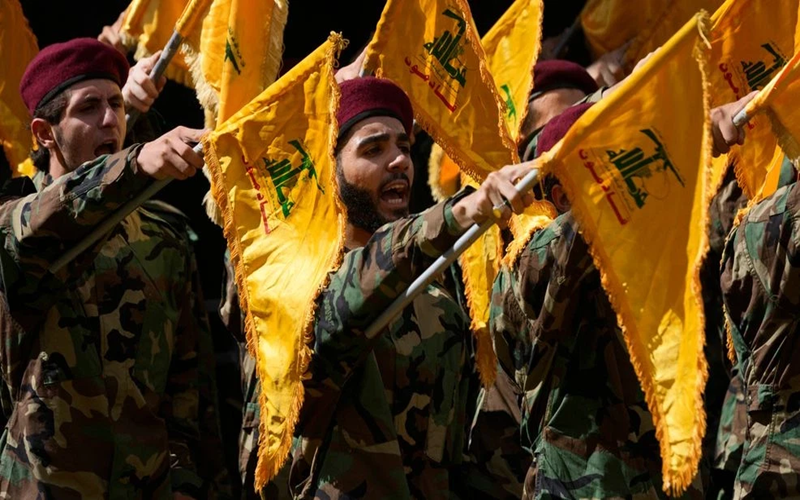
The Lebanese government’s push to disarm Hezbollah comes amid mounting pressure from the United States and domestic political factions opposed to the group. Officials in Beirut fear that Hezbollah’s continued militarization risks provoking renewed Israeli attacks, especially after the group’s military and political influence was severely weakened in last year’s conflict.
This is the second time in 2025 that Lebanon has formally rebuked the Iranian regime for comments about Hezbollah’s disarmament. Earlier this year, the Iranian ambassador to Beirut was summoned over similar remarks.
Last week, Iranian regime Foreign Minister Abbas Araqchi made his own statement on the matter, claiming that disarmament was “solely a matter for Hezbollah” while asserting Tehran’s support “from a distance.” The Lebanese government rejected these remarks, describing them as unwelcome interference.
Hezbollah’s Defiance and Political Divide
Hezbollah has rejected the cabinet’s decision, calling it a “grave sin” and “unconstitutional.” The group insists its weapons are essential for defending Lebanon against Israeli threats. The government, however, maintains that consolidating state authority over all arms is crucial for national sovereignty and for fulfilling the ceasefire terms.
The dispute has exposed a deep political and security rift inside Lebanon, one now complicated by direct Iranian involvement. Analysts warn that the Iranian regime’s continued interventions could further strain relations between Beirut and Tehran.
Hezbollah, the largest armed faction in Iran regime’s so-called “axis of resistance,” has long relied on Tehran’s financial and military backing. Yet, observers note that since the death of Hassan Nasrallah, the group’s military capabilities and influence have significantly diminished.
Iranian regime officials remain steadfast in their opposition to Hezbollah’s disarmament — but Lebanon’s latest statement signals that Beirut may now be prepared to push back more forcefully to defend its sovereignty.