
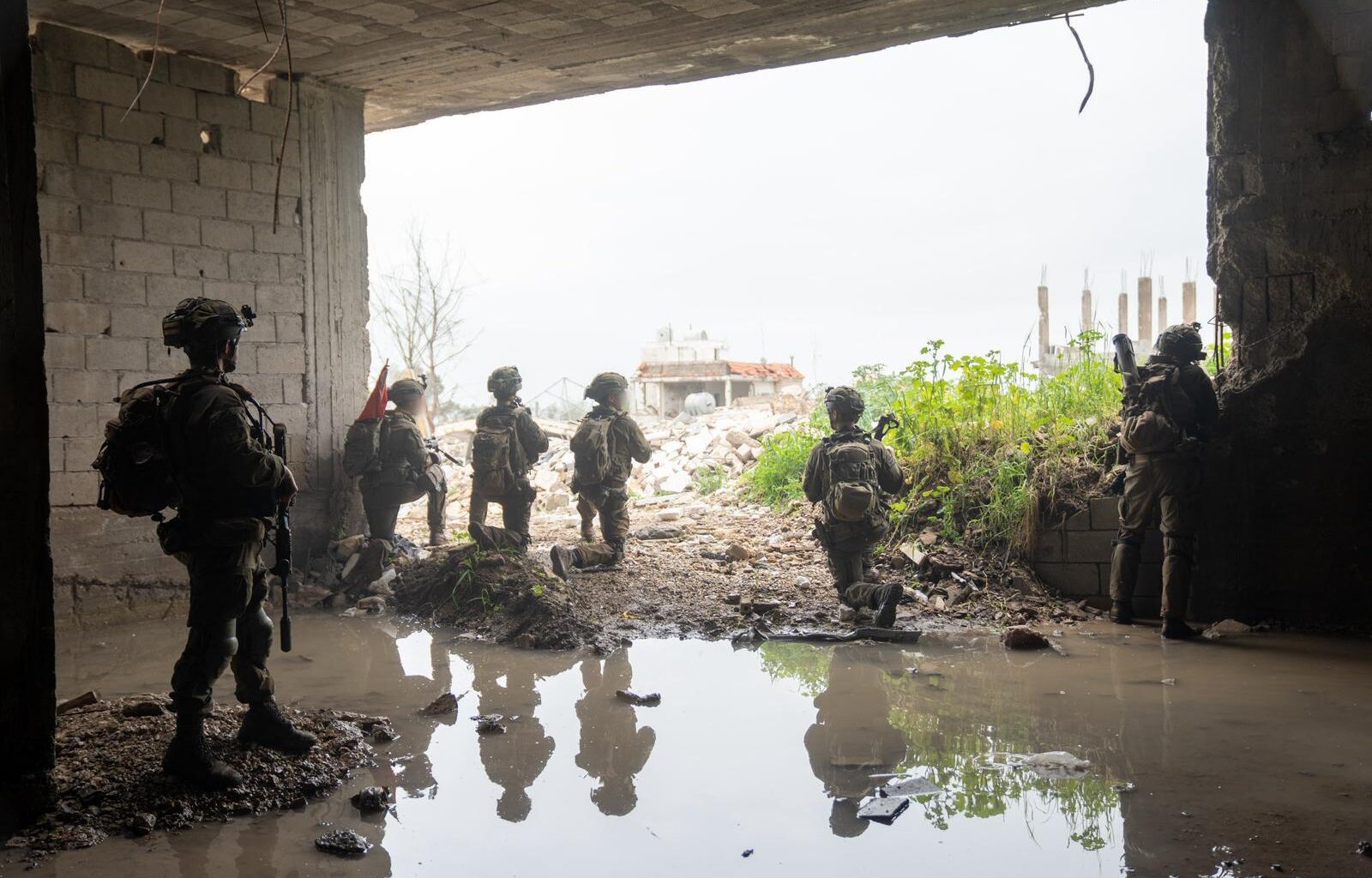
The Israel Defense Forces on Sunday warned of a steadily worsening shortage of combat soldiers in the standing military, high burnout among troops, and fears that the reserve army could “collapse” if necessary legislation is not advanced by the government.
According to the IDF, a bill being advanced by the government that would ostensibly increase military conscription in the Haredi community, but ultimately enshrine blanket exemptions from military service, will not provide an adequate solution to the military’s personnel needs in the short term.
The coalition’s draft exemption bill is widely seen as legally iffy and loophole-laden and has generated intense resistance even among members of Prime Minister Benjamin Netanyahu’s coalition. The government has been working on advancing it despite repeated warnings from the IDF that it needs more troops.
If the bill is passed, and even if all its recruitment targets are met, only several hundred additional Haredi combat soldiers are expected to enlist per year, which the military has said would not answer its current needs.
The military has repeatedly warned that it is currently short some 12,000 standing army soldiers, a gap that it said would only expand due to the shortening of mandatory service at the start of 2027, unless the government passes legislation addressing the personnel shortages.
Get The Times of Israel’s Daily Edition
by email and never miss our top stories
By signing up, you agree to the terms
IDF Chief of Staff Lt. Gen. Eyal Zamir has several times urged the government to again extend mandatory military service for men to 36 months, after it was shortened to 30 months in August 2024. The government has so far refused to approve this move.
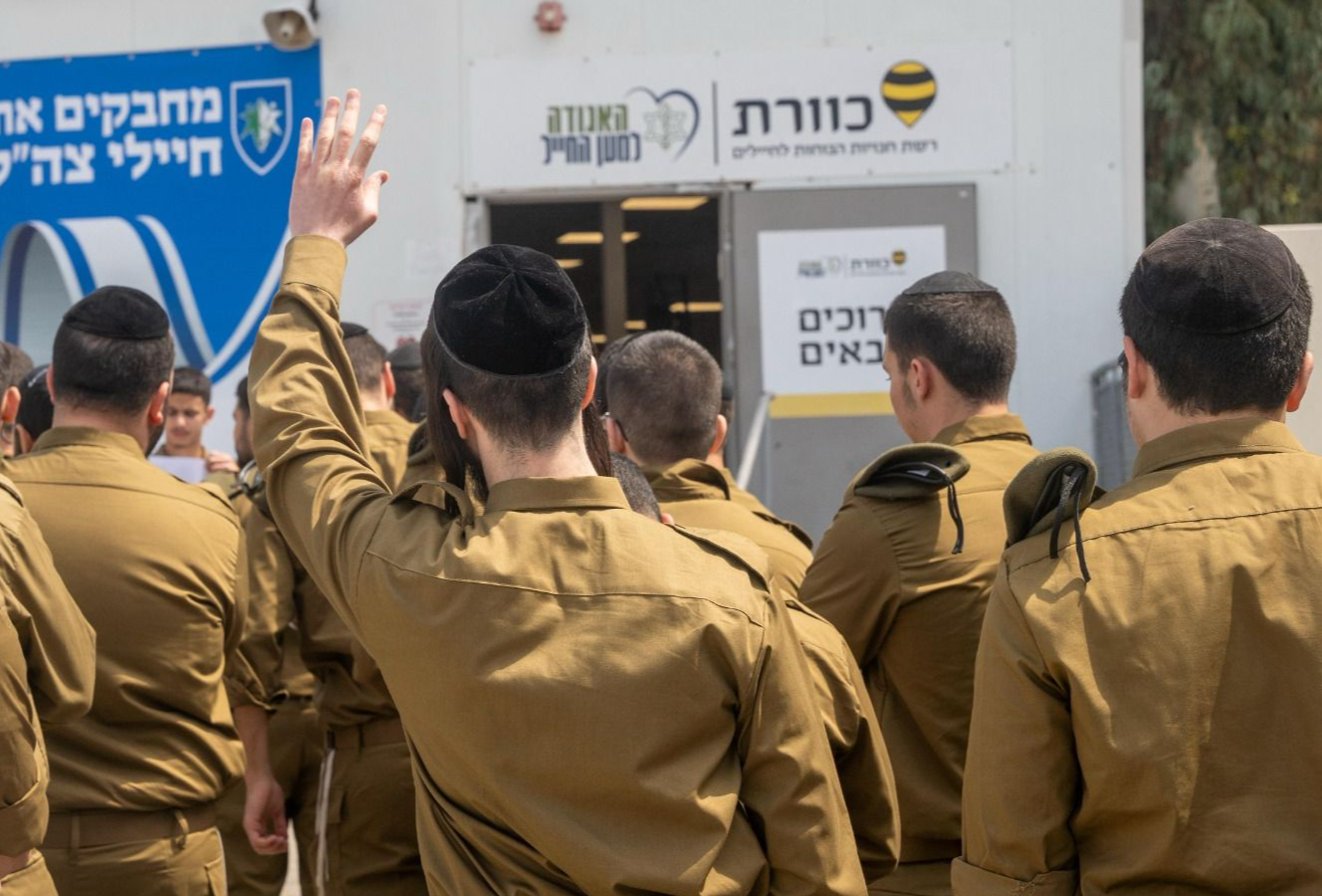
Ultra-Orthodox soldiers are drafted into the military at an induction center, April 28, 2025. (Israel Defense Forces)
The first cohort enlisted under this shorter service period will be discharged in January 2027, further exacerbating manpower issues unless the existing law is changed.
The IDF has repeatedly said it urgently needs 12,000 recruits — including 7,000 combat troops — due to the strain on standing and reserve forces caused by the yearslong multi-front war.
“The security need is huge and urgent, and the burnout [among soldiers] is far greater than we thought,” a senior officer told reporters on Sunday.
The military warned that if the shortened service period takes effect as planned in January 2027, the gap will grow by thousands more combat soldiers and service members in non-combat roles.
In addition to extending the mandatory service and a “relevant conscription law,” the military is also seeking a law changing how reservists are called up and for how long, given that currently the IDF relies on emergency call-up orders with various limitations.
Reservists are now serving dozens more days in reserve duty beyond the IDF’s original planning. Initially, the military sought to call up reservists for 55 days of duty in 2026. However, due to the war in Iran, many reservists have now served 80 to 100 days.
“If we do not do something now through legislation, the situation will worsen and disrupt the entire system,” the senior officer said.
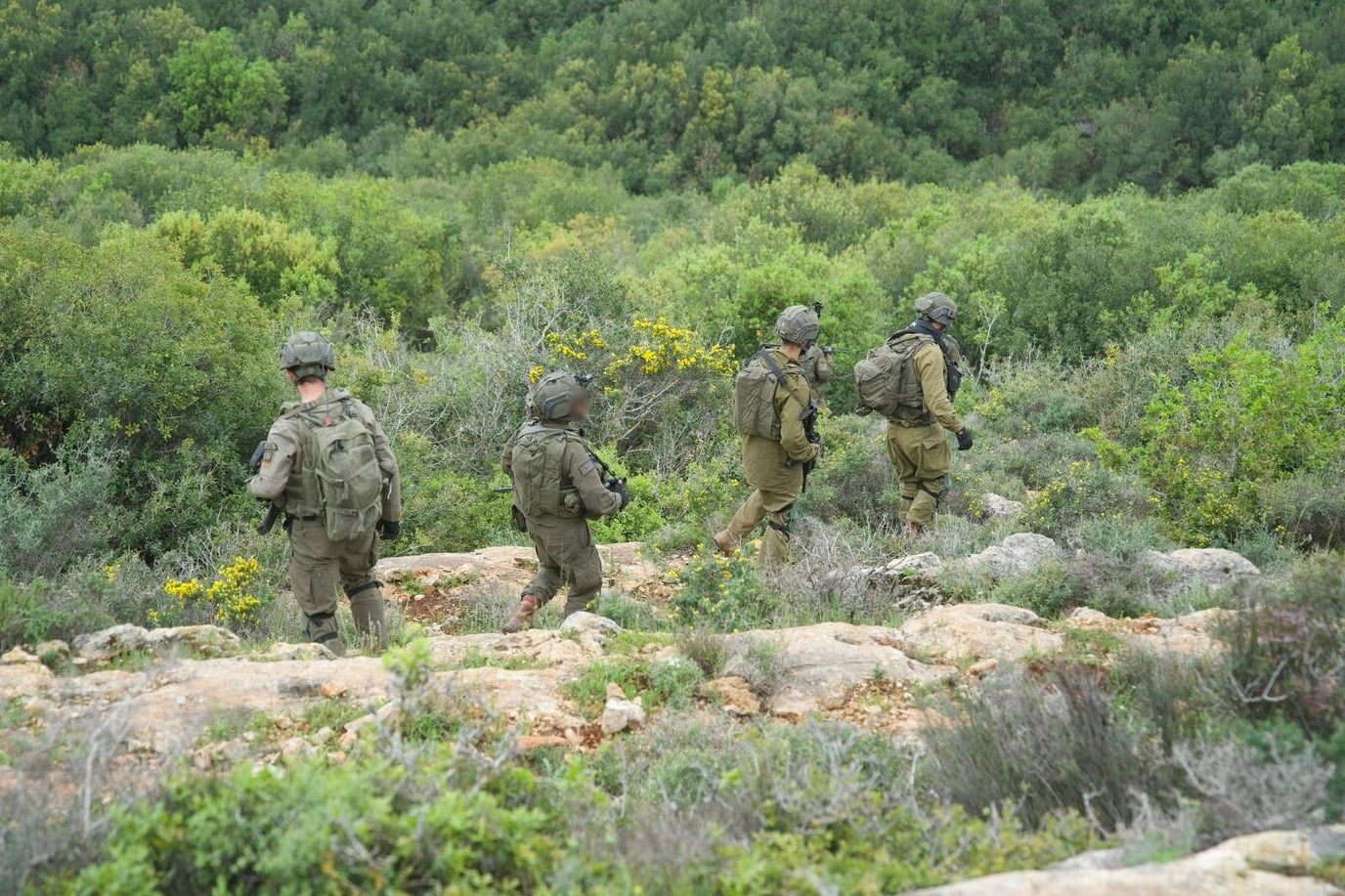
IDF reservists of the 226th Paratroopers Brigade operate in southern Lebanon, in a handout photo issued on April 29, 2026. (Israel Defense Forces)
The officer warned that there is a “final window of opportunity for legislation” to contain the personnel crisis, before the country goes to elections.
Otherwise, the gaps will grow larger, and the IDF will have to rely further on calling up reservists, which the officer warned could cause the reserve army “to collapse.”
The IDF’s Personnel Directorate has intensified its efforts over the past two and a half years to “maximize manpower” and expand its pool of recruits, including by opening more combat roles to women, calling on those exempt from reserve duty to return to service, and working to integrate ultra-Orthodox men into the army.
Some 80,000 ultra-Orthodox men aged 18 to 24 are currently believed to be eligible for military service but have not enlisted.
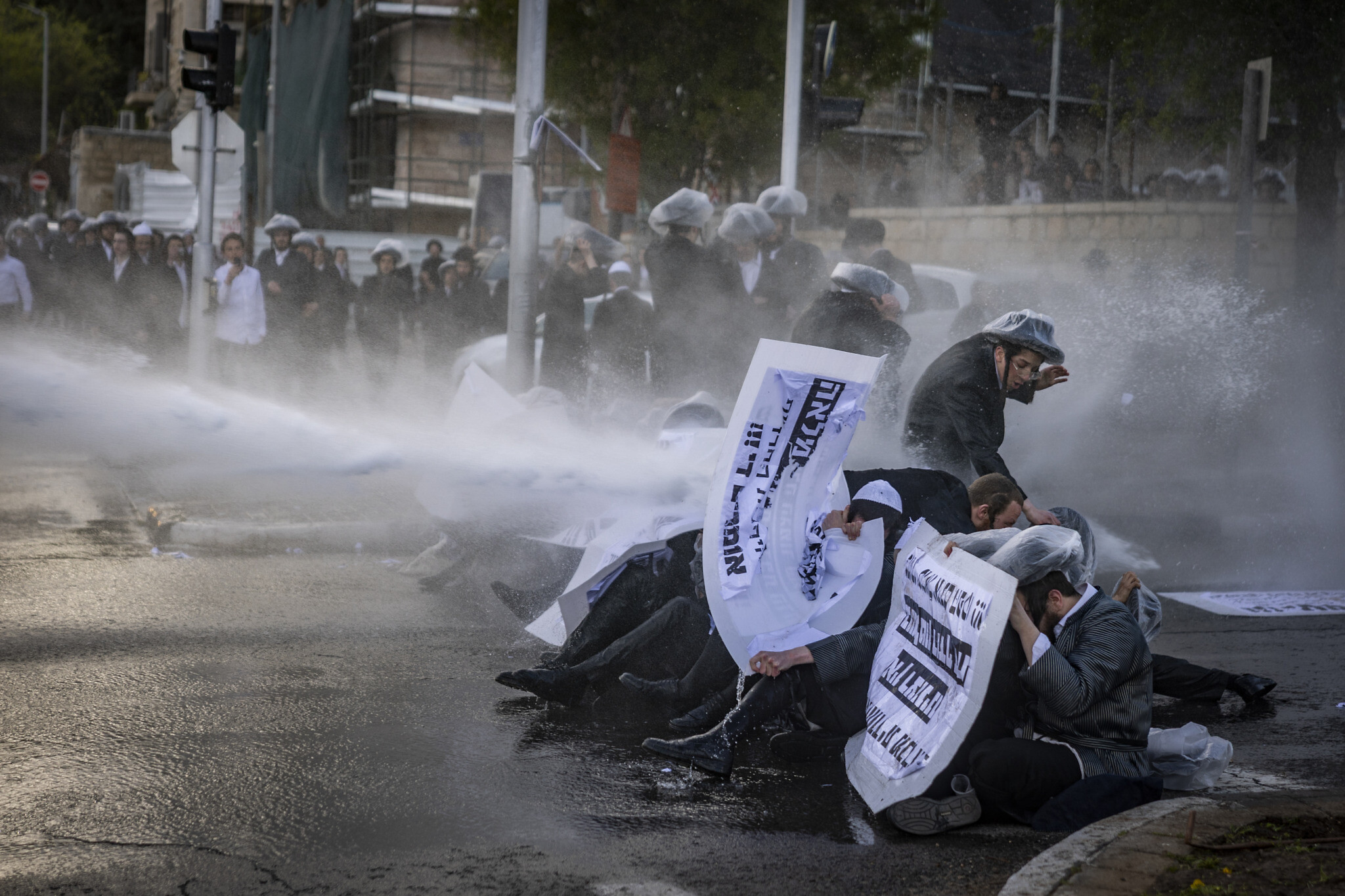
A water cannon is used against ultra-Orthodox demonstrators, amid a protest against the jailing of Haredi draft evaders, in Jerusalem, March 22, 2026. (Chaim Goldberg/Flash90)
During the first half of the 2025–2026 draft period, around 1,850 Haredi soldiers enlisted, and the military estimates that by the end of the draft period, the number will exceed 3,000 — a record figure, but still far below the military’s goal of 4,800 ultra-Orthodox recruits per year.
According to the IDF’s data, there are around 90,000 individuals designated as draft evaders or who will soon be declared such, the vast majority of them Haredi.
Which gorgeous bird do you prefer?

THIS MONTH ONLY: Join our reader support group for as little as $6/month and receive an exclusive tote bag featuring one of Israel’s native birds.
Choose between the Duchifat (orange), Israel’s national bird, or the Shaldag (blue), a beloved symbol of the Israeli landscape.
As a member of the Times of Israel Community, you’ll also enjoy:
An ad-free experience of our site and podcasts.
Exclusive access to award-winning films via DocuNation.
Weekly letters from founding editor David Horovitz.
Join ToI Community & claim my bag
Already a member? Sign in to stop seeing this
You’re a dedicated reader

That’s why we started the Times of Israel – to provide discerning readers like you with must-read coverage of Israel and the Jewish world.
So now we have a request. Unlike other news outlets, we haven’t put up a paywall. But as the journalism we do is costly, we invite readers for whom The Times of Israel has become important to help support our work by joining The Times of Israel Community.
For as little as $6 a month you can help support our quality journalism while enjoying The Times of Israel AD-FREE, as well as accessing exclusive content available only to Times of Israel Community members.
Thank you,
David Horovitz, Founding Editor of The Times of Israel