
Al-Ittihad, UAE, May 23
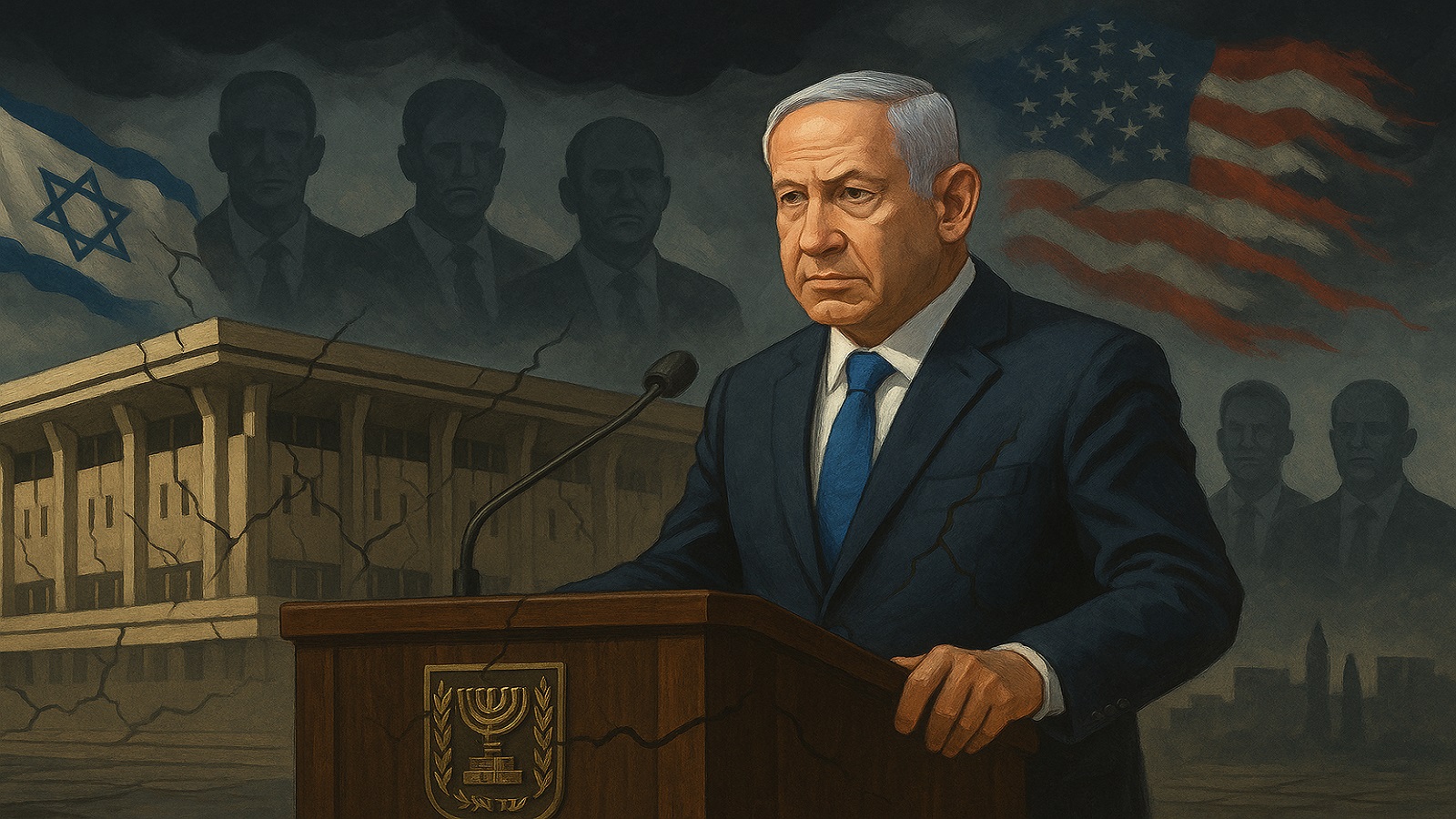
Will the Israeli government, led by Prime Minister Benjamin Netanyahu, remain in power despite the deepening conflicts and internal turmoil it has faced since the October 7 attacks? What viable alternatives exist, particularly in light of the widening rift between Netanyahu and US President Trump, not only over the strategic direction of US policy but also over the real and mounting challenges Netanyahu must overcome to sustain his leadership?
The current Netanyahu government faces 10 major crises. The first and most prominent one is Netanyahu’s trial, which continues to cast a shadow over his political future. He fears that any shifts within his fragile coalition could expedite legal proceedings against him, especially as the courts consider new charges. Netanyahu has persistently tried to tether his legal woes to the war in Gaza, suggesting that the state’s survival must take precedence over stalled legal accountability.
Second, the judiciary remains a persistent threat, particularly in light of Netanyahu’s success in pushing through a series of highly divisive laws. This suggests the conflict has moved beyond partisan politics into a deeper institutional confrontation, one likely resolvable only through his exit from power. In a country with a clearly delineated separation of powers and a legal framework resistant to manipulation, the politicization of the judiciary now presents a genuine existential risk to the current administration.
Third, protest movements across Israel have grown in both size and influence, incorporating respected political, military, and academic voices. These groups are demanding an end to the Gaza war and a recalibration of the country’s political and military institutions. Their growing presence at weekly demonstrations has become a persistent thorn in Netanyahu’s side.
Fourth, the mounting discontent among the Israeli public suggests that opposition leaders like Benny Gantz and Yair Lapid could reclaim political momentum. While their policy differences with Netanyahu on Gaza are nuanced, Lapid’s recent surge in popularity points to an increasingly credible alternative should the current crisis continue to spiral.
Fifth, there is growing dissatisfaction from within Israel’s religious establishment over Netanyahu’s handling of critical national affairs. This discontent has manifested in friction between coalition partners and civil and military leaders. Although many still believe the country is influenced heavily by its chief rabbis, even the religious leadership is now voicing unease, further exposing cracks in the coalition’s foundation.
Sixth, members of Netanyahu’s own ruling coalition have begun openly objecting to his decisions. Notably, figures like Finance Minister Bezalel Smotrich, along with National Security Minister Itamar Ben-Gvir, have issued veiled and explicit threats against the government’s direction. Although the coalition remains intact for now, its survival appears contingent on suppressing tensions that could otherwise lead to its unraveling.
Seventh, influential power centers are beginning to assert themselves outside the traditional political structure. These include powerful economic elites and former security officials operating discreetly but strategically, with interests rooted in economic stability and national security. While they do not openly declare political allegiances, their ability to shape outcomes behind the scenes poses a formidable challenge to Netanyahu’s continued rule.
Eighth, Israel’s economy is under mounting pressure. Despite Netanyahu’s public declarations that Israel can function without international economic support, domestic political forces have dismissed such claims as detached from reality. With the government initiating new wage policies and layered tax hikes, economic dissatisfaction is growing, especially as President Isaac Herzog has failed to broker a viable consensus to alleviate the crisis.
Ninth, the political reemergence of former Prime Minister Naftali Bennett presents yet another variable. Having formed a new party with plans to run in the next election, Bennett is being watched closely by Washington, which views him as a pragmatic and viable alternative. Once considered Netanyahu’s Likud heir apparent before being drawn into the coalition, Bennett now commands considerable American support and could shift the political calculus significantly.
Finally, the perspective of President Trump may prove to be the most decisive factor shaping the Israeli political landscape. Despite there being no major ideological schism between the two leaders, the US administration views Netanyahu as a barrier to political stability and a source of continued volatility. With Washington increasingly concerned about the risks of internal collapse, pressure from the United States may well catalyze the change that many within Israel’s fractured society now deem inevitable.
Tarek Fahmy (translated by Asaf Zilberfarb)