
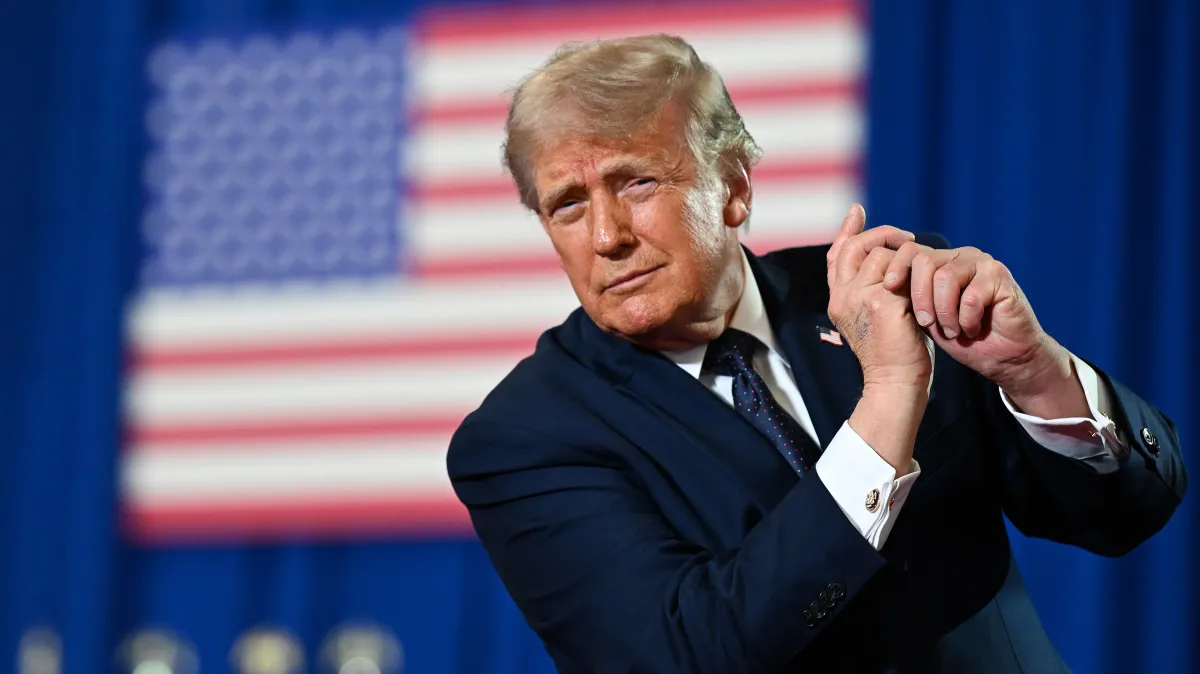
The United States and Iran are getting “a lot closer” to an agreement to end the war, President Trump said on Saturday.
Trump said progress had been made and that he might make a decision on whether to resume the war this weekend. He was due to meet the vice-president and advisers including Steve Witkoff and Jared Kushner on Saturday and hold a call with Gulf leaders to discuss the situation, according to Reuters.
The president told CBS News that the two sides were “getting a lot closer” to a deal and that “every day it gets better and better”. Yet he told Axios he was “50/50” on whether to make a deal or resume bombing Iran, saying: “Either we reach a good deal or I’ll blow them to a thousand hells”. A ceasefire has been in place since April 8.
Iran’s foreign ministry said discussions on ending the war were in their final stages. Earlier in the week Trump said he had cancelled a planned offensive while negotiations continued.
Marco Rubio, the secretary of state, said earlier on Saturday that there had been “some progress”. Repeating US demands, he said: “Iran can never have a nuclear weapon. The straits need to be open without tolls. They need to turn over their enriched uranium.”
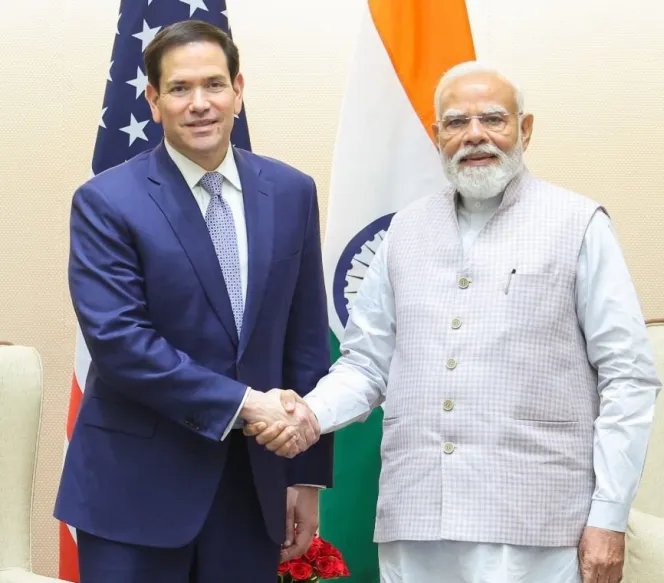 Marco Rubio was welcomed to Delhi on Saturday by Narendra ModiAP
Pakistan has been mediating. The country’s army chief, Field Marshal Asim Munir, who is liked by Trump, was in Tehran on Saturday meeting Iran’s parliamentary speaker, Mohammad Bagher Ghalibaf.
Ghalibaf said Iran had rebuilt its military strength during the ceasefire and that if the war were to resume “the response against the United States will certainly be more crushing and bitter than on the first day of the war”.
Delegates in Pakistan said a deal had not been agreed but that there was “encouraging progress toward a final understanding”. A Pakistani security official was quoted as saying that a “[memorandum of understanding] is being fine-tuned”.
 Explosions in Tehran at the beginning of the war in MarchATTA KENARE/AFP/GETTY IMAGES
The official said the deal could include the gradual reopening of the Strait of Hormuz, removing the US blockade of Iranian ports and releasing Iranian funds frozen by sanctions.
The enrichment of Iran’s uranium, and the country’s ability to stockpile it, is likely to play a key part in any decision. Trump has said he would only consider a deal that addressed these issues.
The proposed framework for ending the war could include resolving the crisis in the Strait of Hormuz and launching a 30-day window for negotiations on a broader agreement, according to Reuters.
US-Israeli strikes on Iran began on February 28 and killed Ayatollah Ali Khamenei, the country’s supreme leader. In response, Iran has effectively closed the Strait of Hormuz, through which about a fifth of the world’s oil and gas supplies pass, with profound effects on global trade and economies.
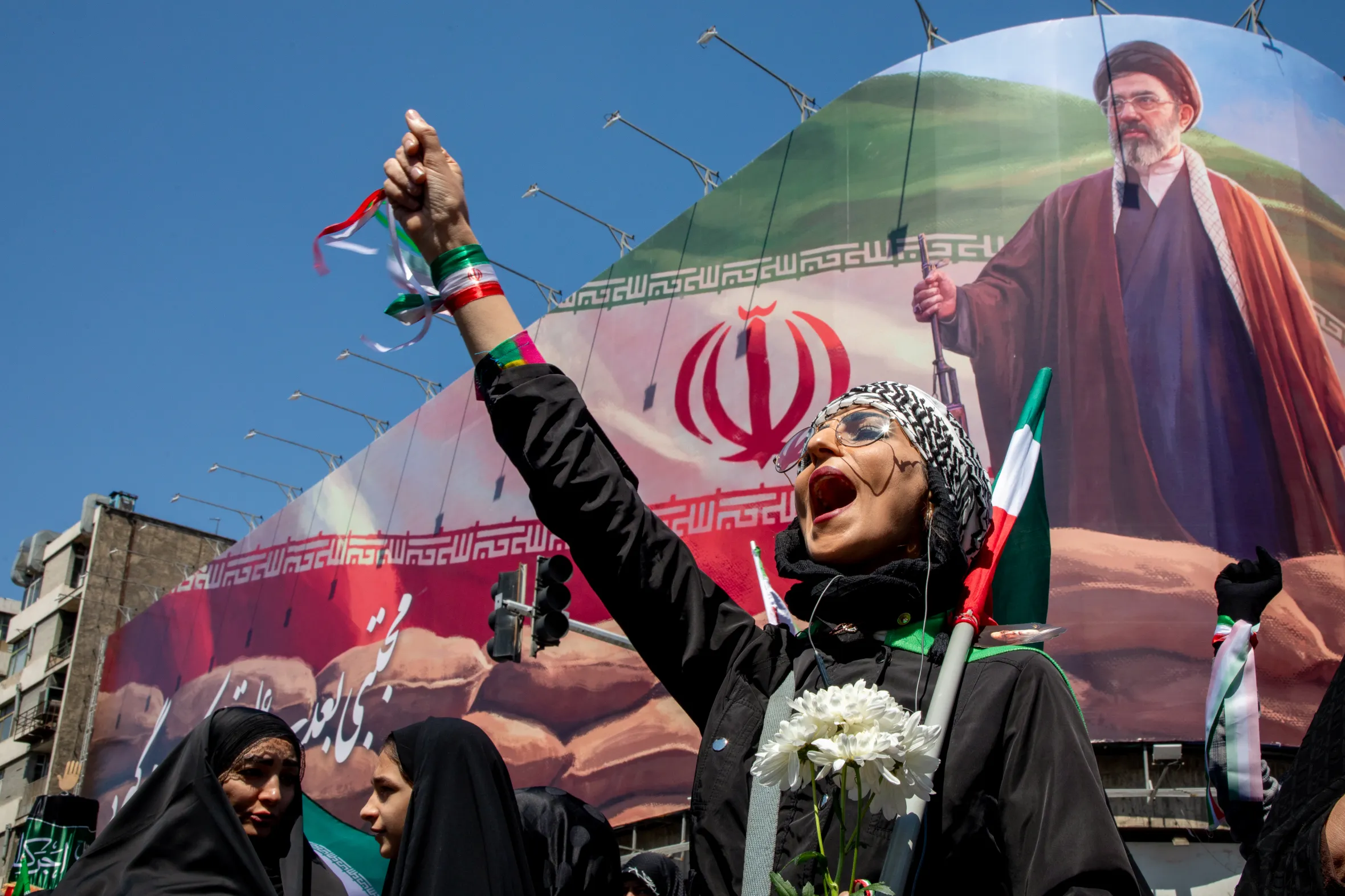 Iranians gather underneath the banner of the new supreme leader, Mojtaba KhameneiMajid Saeedi/Getty Images
A separate ceasefire agreement was negotiated last month between Israel and Lebanon, where the former has carried out an intensive bombing campaign with the aim of destroying the Iranian proxy militia Hezbollah. Despite this, in recent days there have been strikes by both sides.
Binyamin Netanyahu, the Israeli prime minister, is said by officials to be concerned about the prospect of a potential deal.