
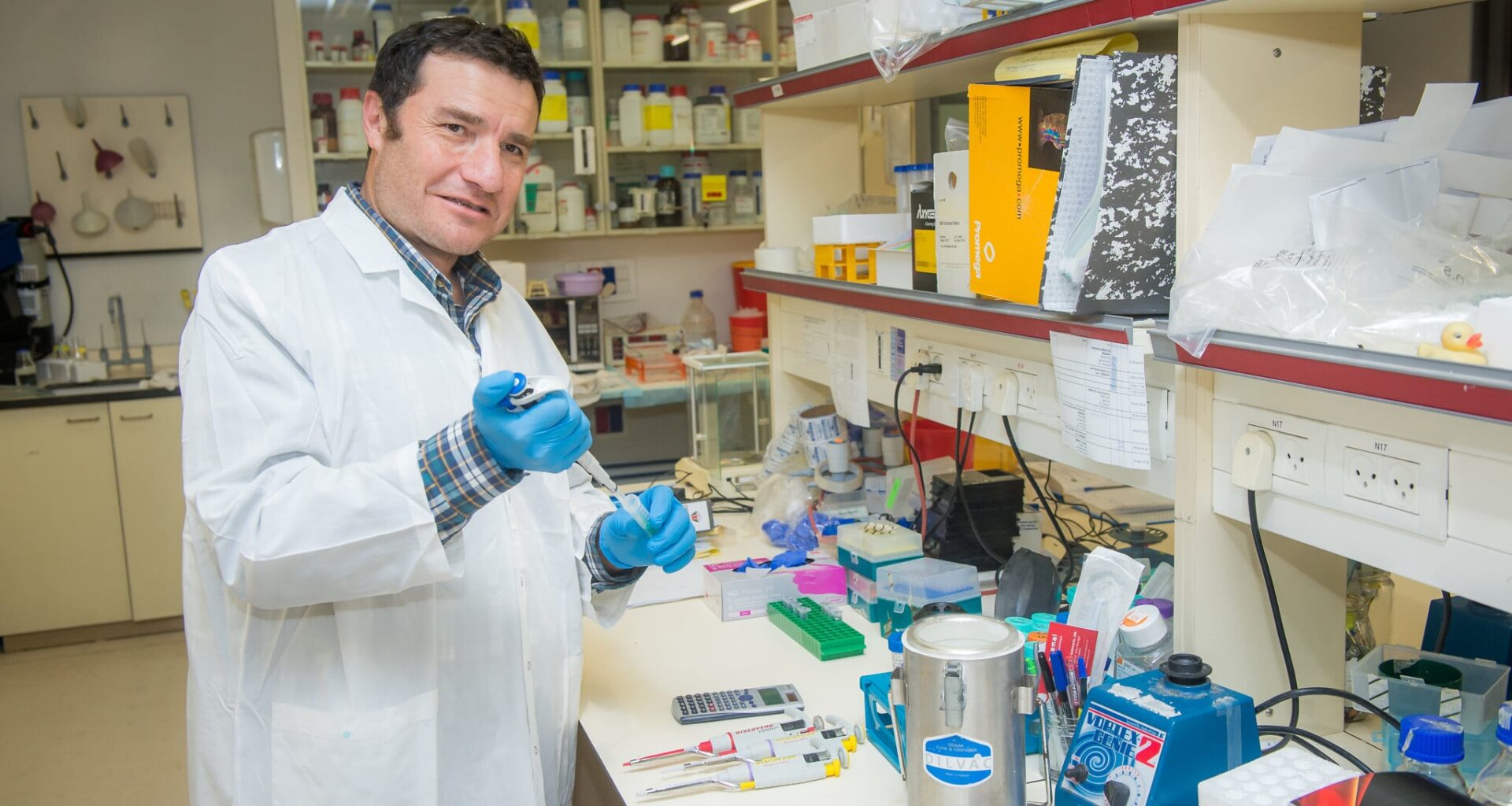
Researchers from Bar-Ilan University, the US National Institute on Aging, and Tel Aviv University say they have reversed key signs of age-related decline in the livers of older mice by boosting levels of SIRT6, known as the longevity protein.
The peer-reviewed findings, published in Nature Communications, suggest that biological changes associated with growing older might not be a one-way street, after all.
Using advanced tools to map out DNA architecture and measure real-time gene activity, the research team studied older mice that had been given additional SIRT6, which silences genes associated with inflammation and aging.
The scientists found they could “rewind” age-related changes in cells within the liver tissue, said research supervisor Prof. Haim Cohen, director of the Sagol Healthy Human Longevity Center at Bar-Ilan University.
To put it simply, Cohen said, “We took an old liver and restored its DNA organization toward a much younger state.”
Get The Times of Israel’s Daily Edition
by email and never miss our top stories
By signing up, you agree to the terms
Doctoral students Ron Nagar and Zecharia Schwartz led the study, which, said Cohem, showed that by upping SIRT6, “we may eventually be able to preserve tissue function, reduce inflammation, and improve health during aging.”
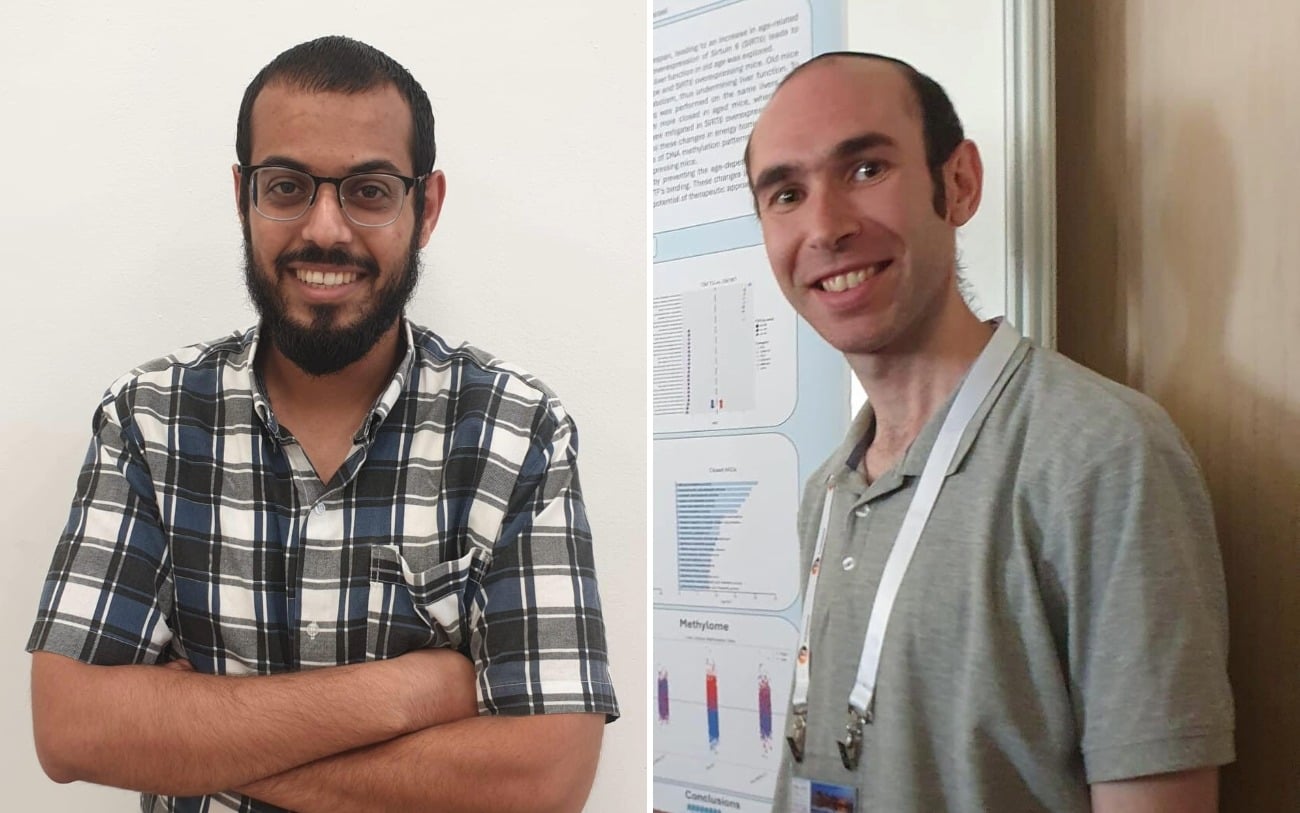
Doctoral students Ron Nagar, left, and Zecharia Schwartz in the lab of Prof. Haim Cohen at Bar-Ilan University’s Mina and Everard Goodman Faculty of Life Sciences. (Courtesy)
The importance of SIRT6
Cohen’s lab explores the basic biological mechanisms underlying the aging process and how to delay and prevent aging-associated diseases.
In a 2012 breakthrough, Cohen was the first researcher in the world to increase life expectancy in mice by augmenting their SIRT6 levels.
SIRT6, which is found primarily in the cell nucleus, helps the body repair DNA, control metabolic processes, and regulate aging.
Illustrative image: DNA (iStock via Getty Images)
Reversing age-related changes
SIRT6 can also influence chromatin, a structure that carefully folds and arranges the DNA to fit inside the cell’s nucleus.
In mammals, aging causes this chromatin packaging to become loose and disorganized, leading to inflammation and possible diseases. The research team wanted to see if the addition of SIRT6 could successfully direct the chromatin to reorganize its packaging once again.
For the experiment, the researchers took normal mice and allowed them to age naturally, to about 24 months, which is the equivalent of about 70 to 80 years in humans, and then increased the levels of the SIRT6 protein.
The researchers activated SIRT6 directly in the liver in one group. In the control group, they activated another gene that was not expected to affect aging, serving only as a benchmark.
The study found that by heightening the SIRT6 levels in the old mice, many of these age-related chromatin changes didn’t just slow down — they reversed.
The researchers also identified a specific marker, H3K9ac, a chemical switch that tells the chromatin structure when to close or open.
As the lab mice got older, their inner switch got stuck in an open position, accidentally turning on the genes that cause harmful inflammation.
The SIRT6 protein repaired this by closing these specific switches, forcing the DNA structure to tighten back to a healthy, youthful state.

Illustrative photo of an elderly couple taking a walk in the Jerusalem Forest. (Miriam Alster/Flash90)
“This is the hidden language of longevity,” Cohen said.
The current research builds on Cohen’s previous discoveries on the importance of SIRT6 in the process of longevity and healthy aging.
He established biotechnology and longevity company SirTlab at Bar-Ilan to find “ways to increase or restore the level of SIRT6 because as we age, there is a decline in its activity.”
Dr. Nir Barzalai, director of the Institute for Aging Research at the Albert Einstein College of Medicine in New York, and president of the Academy of Geroscience, told The Times of Israel that his own research focuses on how aging has “distinct biological drivers that can be targeted to prevent age-related diseases.”
Barzalai was not involved in Cohen’s study.
Barzalai, who has studied “hundreds of centenarians,” said he found a few of them with mutations in Sirt6, associated with slowing their aging.
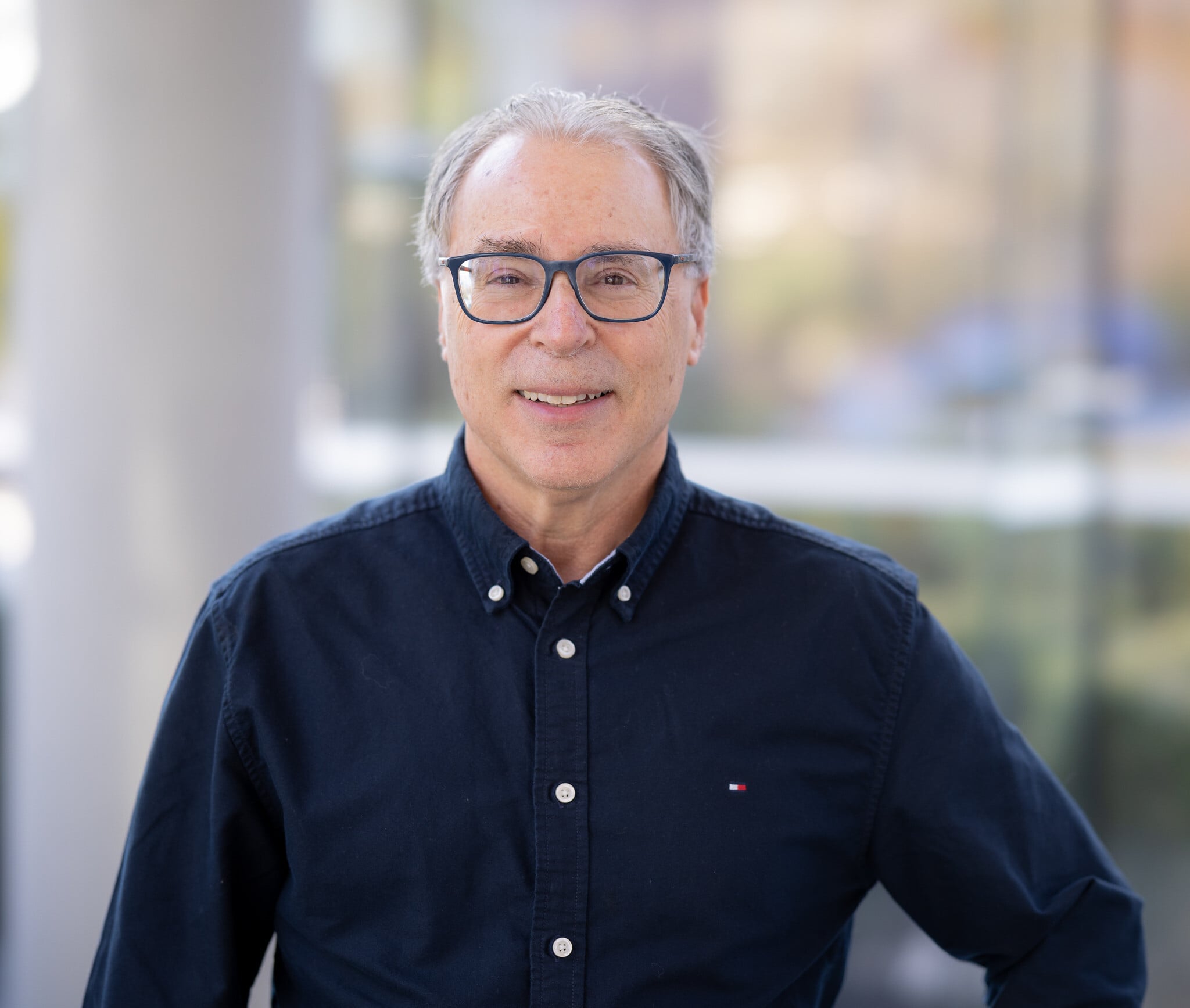
Dr. Nir Barzilai, Director of the Institute for Aging Research, Albert Einstein College of Medicine in New York, and President of The Academy of Geroscience. (Courtesy)
“The discovery of Sirt6 in animals and humans shows [the possibility of improving] healthspan and longevity,” Barzalai said. “This is probably the most important discovery in human biology.”
He added that SIRT6 therapy is part of a new science that treats “our health, not our diseases.”
Cohen said that as humans, “we believe that we are at the top of evolution. But the truth is that when we speak about longevity, there are mammals like whales that live longer than us.”
He said that his lab is “trying to find ways to steal the idea of what evolution gave to whales, and take it to humans to extend our lives.”
“This is exciting because it suggests that aging may be more plastic than we once believed,” Cohen said. “The SIRT6 protein affects longevity in mice, so we have a good, solid argument to say that whatever we find in mice, we will also find in humans.”
You’re a dedicated reader

That’s why we started the Times of Israel – to provide discerning readers like you with must-read coverage of Israel and the Jewish world.
So now we have a request. Unlike other news outlets, we haven’t put up a paywall. But as the journalism we do is costly, we invite readers for whom The Times of Israel has become important to help support our work by joining The Times of Israel Community.
For as little as $6 a month you can help support our quality journalism while enjoying The Times of Israel AD-FREE, as well as accessing exclusive content available only to Times of Israel Community members.
Thank you,
David Horovitz, Founding Editor of The Times of Israel