
Mr Trump announced after the call: “There will be no Troops going to Beirut, and any Troops that are on their way, have already been turned back.”
He later told ABC News that he thinks there will be a deal with Iran to extend the ceasefire and reopen the Strait of Hormuz “over the next week”.
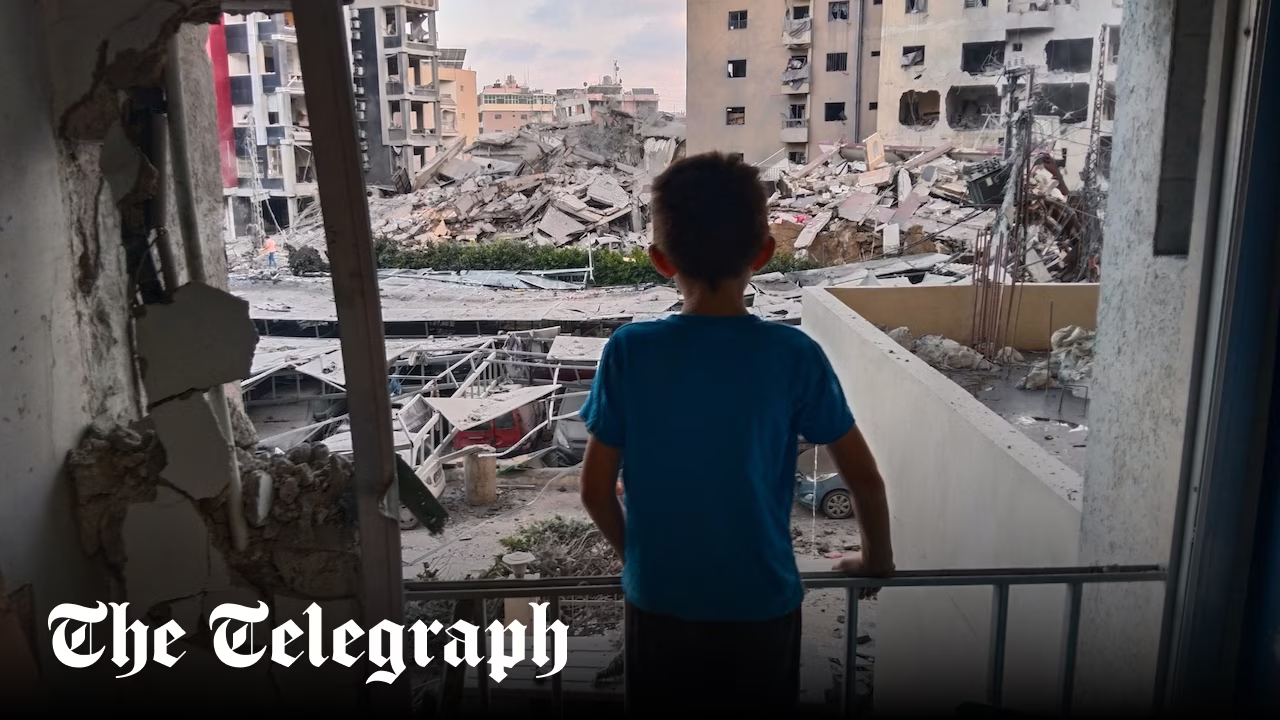
Mr Netanyahu had ordered attacks on targets in the southern suburbs of the Lebanese capital, a Hezbollah stronghold known as Dahiyeh, in retaliation for alleged ceasefire violations by the terror group. Iran said it would retaliate with strikes on northern Israel and quit the peace negotiations.
Tasnim news agency, which is associated with the Islamic Revolutionary Guard Corps (IRGC), said on Monday: “Iran’s negotiating team has suspended talks and message exchange through mediators.”
Khatam al-Anbiya headquarters – the IRGC’s main operational command – said: “If they bomb Dahiyeh and Beirut, those who do not want to be harmed should leave the area.”
Initially, Mr Trump said of Iran walking away from peace negotiations: “I don’t care if they’re over, honestly … I really don’t care. I couldn’t care less.”
However, on Monday night, he held what he called a “very productive” call with Mr Netanyahu, claiming he had persuaded both Israel and Hezbollah to de-escalate. Israel agreed not to send troops to southern Beirut and the Lebanese militant group promised to stop attacks.