
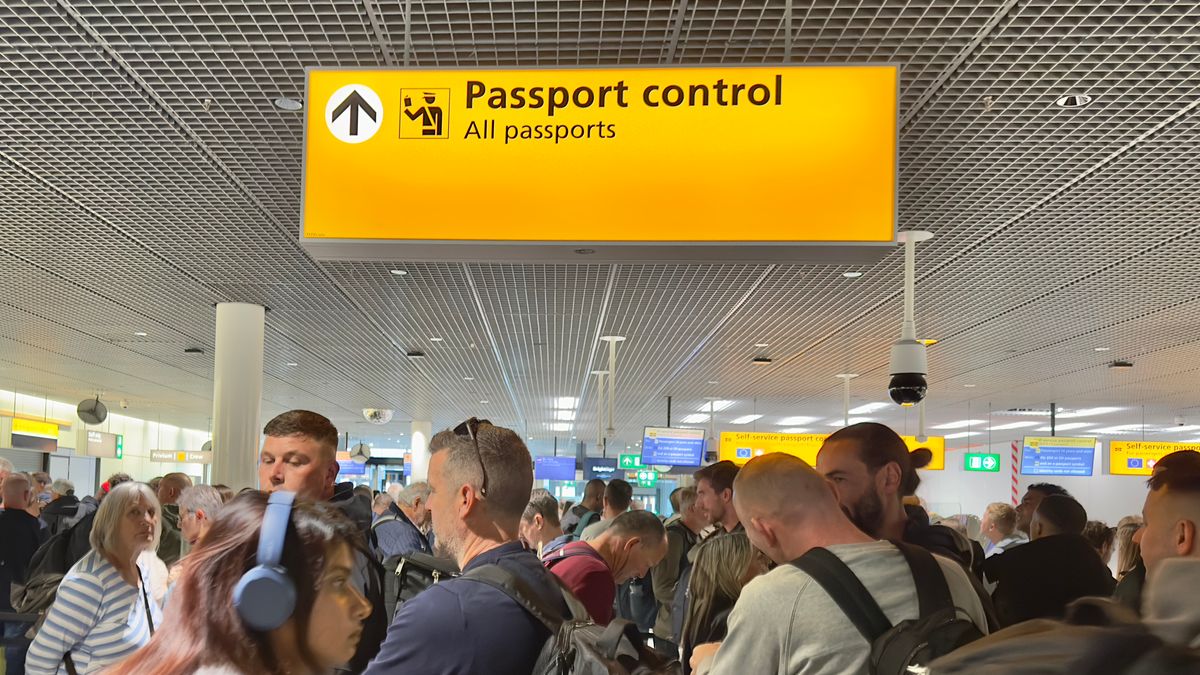
Heading to Europe for the summer? Be prepared for long lines, as the European Union has rolled out its new Entry-Exit System, which changes the processing of non-EU travelers in certain airports
09:48 ET, 02 Jun 2026Updated 12:05 ET, 02 Jun 2026
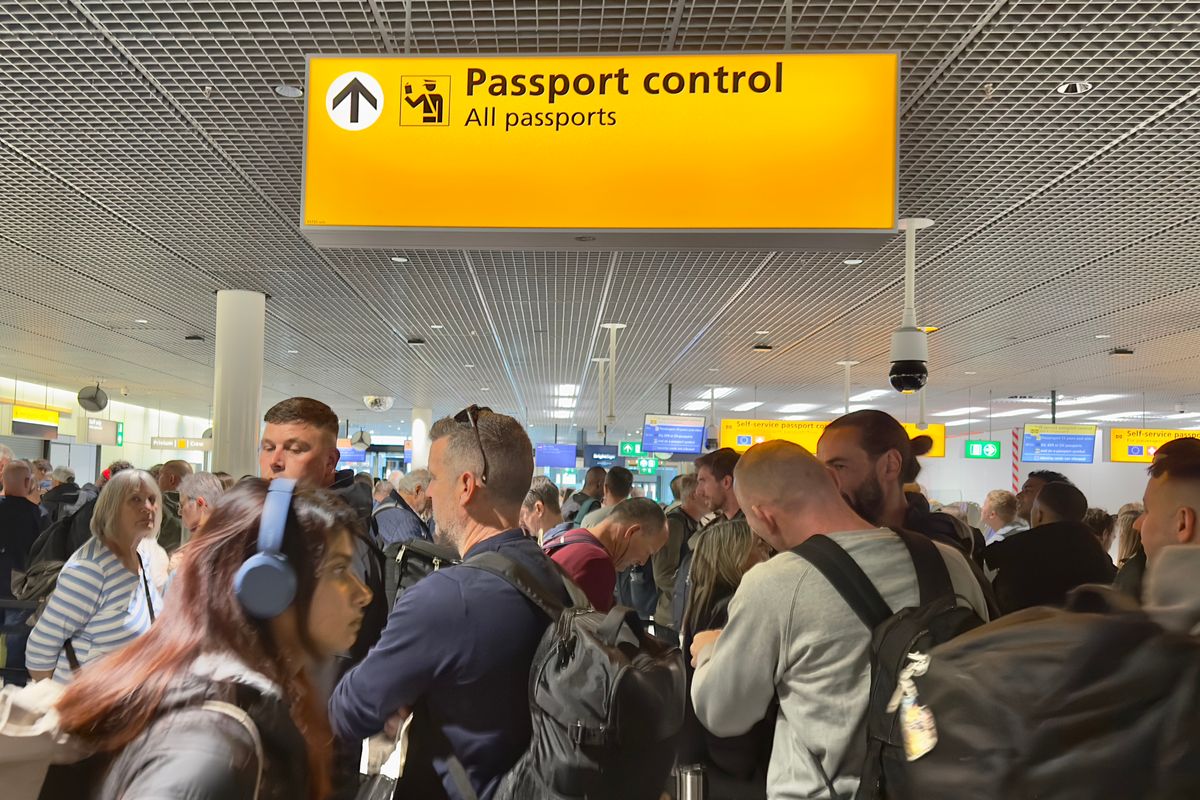
Most non-Europeans visiting Europe now have to go through a new Entry-Exit System in airports(Image: Getty)
Americans heading to their Euro summer plans should prepare for some extra time in the airport, as a new processing system is causing travel chaos.
On April 10, the European Union (EU) fully rolled out its new Entry-Exit System (EES), replacing manual passport stamping with a digital system that records the exact entry and exit times for all non-EU residents.
Since the new electronic biometric border control system was fully implemented after its initial launch in October 2025, travelers have been reporting hours-long lines and delays at airports. As the height of summer travel approaches, there are concerns about how long the lines could get as airports become more busy. It comes as a new passport rule could block thousands of Americans from traveling abroad this summer came into force on June 1.
The digital system to replace manual passport stamping is required for non-EU nationals entering the 29 Schengen countries of the European Union to register their personal information and biometric data, such as fingerprints and a photo.
This system applies to any visits lasting up to 90 days within a 180-day period. A spokesperson for the European Commission told Business Insider in April that the registration process takes an average of just over a minute.
According to the EU, the new ESS will make border checks more efficient and modern; travelers will be able to spend less time at the border due to “faster checks, self-service options, and the possibility to give their information in advance”; it will prevent “irregular migration” by collecting fingerprint and face data of travelers; and it will increase security at Europe’s borders.
Why are Americans facing long lines at European airports?
Travelers have already been sharing footage and their frustrations with the new system, as they’ve been hit with winding lines and delays. CNN correspondent Clarissa Ward shared a video last week at Lisbon Airport in Portugal of passengers waiting in massive lines to be processed by the system.
Content cannot be displayed without consent
If you can’t view the post above, click here.
“I stood in the longest line I have ever seen in my life (no joke),” Ward wrote in the Instagram caption.
“I saw lots of elderly people and families with small children. People who missed connections. Others who missed flights. Me included,” she continued. “Airport staff only let TAP (Portugal’s main airline) passengers cut the line if they were seconds away from missing their flight. Everyone else? Good luck.”
While many people reported similar experiences in the comment section about hours-long lines at Lisbon Airport and other airports impacted by the new system, others said it only took them minutes to get through it.
“I was there a week ago and had only a 5-10 minute wait! From I heard it’s gotten much better. Meanwhile getting back into the US as a US citizen took hours,” one user commented on Ward’s post.
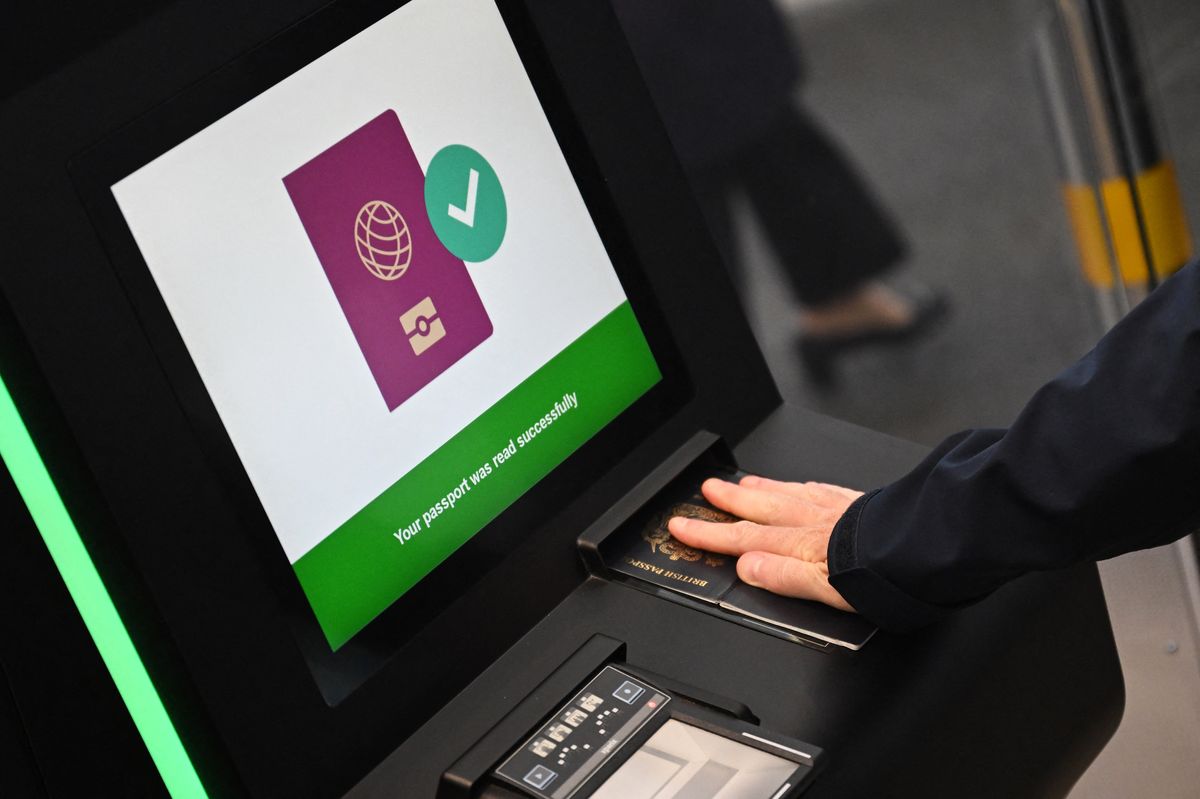
Manual passport stamping has been replaced by a digital system that collects biometric data in the EU(Image: Getty Images)
What countries are impacted by the new Entry-Exit System?
The European countries that use ESS are the following 29 countries:
AustriaBelgiumBulgariaCroatiaCzechiaDenmarkEstoniaFinlandFranceGermanyGreeceHungaryIcelandItalyLatviaLiechtensteinLithuaniaLuxembourgMaltathe NetherlandsNorwayPolandPortugalRomaniaSlovakiaSloveniaSpainSwedenSwitzerlandWhat data is collected by the new Entry-Exit System?
According to an EU leaflet about the ESS, the system collects the following data:
Personal information from travel documents, such as full name, date of birth, and nationalityDate and place of each entry to and exit from any countries traveled to using ESSBiometric data, including a photo and fingerprintsInformation on refused entry at an airport, if applicable
Meanwhile, a stark map lays bare the extent of mass decline in US visitors from major countries since Trump took office.