

Convicted murderer Susan Neill-Fraser is challenging a “new restrictive parole condition” preventing her from speaking to media “directly or indirectly” about her case.
Neill-Fraser was found guilty of murdering her partner of 18 years, Bob Chappell, aboard their yacht in Hobart on January 26, 2009.
No body or weapon was ever found.
Neill-Fraser has always maintained her innocence.

A jury unanimously found Sue Neill-Fraser guilty of murdering her partner Bob Chappell. (Supplied)
She served 13 years in prison, before being released on parole under numerous conditions in October 2022.
In December 2024, the Tasmanian Parole Board added a condition that she not speak “directly or indirectly with any media outlet to claim [her] alleged innocence and/or wrongful conviction”.
Earlier this year, her lawyers at the Human Rights Law Centre revealed it had filed legal proceedings on behalf of Neill-Fraser challenging the condition.
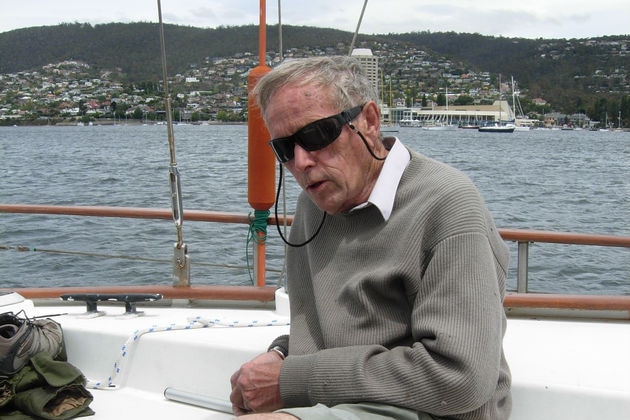
Bob Chappell pictured aboard the Four Winds, his yacht from which he went missing on January 26, 2009. (Tasmania Police)
Advocates say condition breaches ‘implied freedom of political communication’Legal action taken against Susan Neill-Fraser’s media ban
The Human Rights Law Centre said the media ban was replaced by a “new restrictive parole condition”, in May.
It’s challenging the new condition, which it claims prevents Neill-Fraser from communicating “directly or indirectly — including through third parties, written statements, electronic communications, social media platforms, television, radio, podcasts, streaming services, online video-sharing platforms, or any other public or broadcast media — to assert claims regarding your alleged innocence, wrongful conviction, or dispute the legitimacy of your conviction or sentencing”.
The Human Rights Law Centre will argue it’s “unreasonable, improper and in breach of the constitutionally implied freedom of political communication”.

Sarah Schwartz is the legal director of the Human Rights Law Centre. (ABC News: Darryl Torpy)
Legal director Sarah Schwartz said freedom of speech and political communication “are core democratic rights that belong to everyone — including and especially people who have been in prison”.
“Instead of stopping people from speaking out after being in prison, parole should be focused on ensuring people are supported as they re-enter the community,” she said.
The matter returned to the Supreme Court in Hobart on Wednesday and was adjourned. It will return to court in September for a case management hearing.
The Parole Board of Tasmania said it “does not comment on individual matters”.
Neill-Fraser’s parole period will end in 2032.