


Listen to this article
Estimated 4 minutes
The audio version of this article is generated by AI-based technology. Mispronunciations can occur. We are working with our partners to continually review and improve the results.
Israel will continue to strike Lebanon for the time being and won’t be withdrawing from the south, Defence Minister Israel Katz said on Thursday, after Lebanon and Israel agreed to a ceasefire contingent on Hezbollah halting attacks.
The United States announced Lebanon and Israel had agreed to implement a ceasefire after a meeting in Washington between Lebanese and Israeli officials.
But Iran-backed Hezbollah has said it was opposed to those talks. Lebanon’s Hezbollah chief Naim Qassem said on Thursday that as long as Lebanese villages were being bombed and people were being killed, northern Israel will not be safe.
Earlier, the commander of Iran’s Revolutionary Guards Quds Force, which established Hezbollah in 1982, said “the minimum demand of the resistance” is Israel’s withdrawal to positions it held before the war began and Israeli forces invaded the south.
Israel carried out numerous airstrikes in southern Lebanon on Thursday, security sources said. Lebanon’s National News Agency reported five people killed in airstrikes in the town of Sohmor.
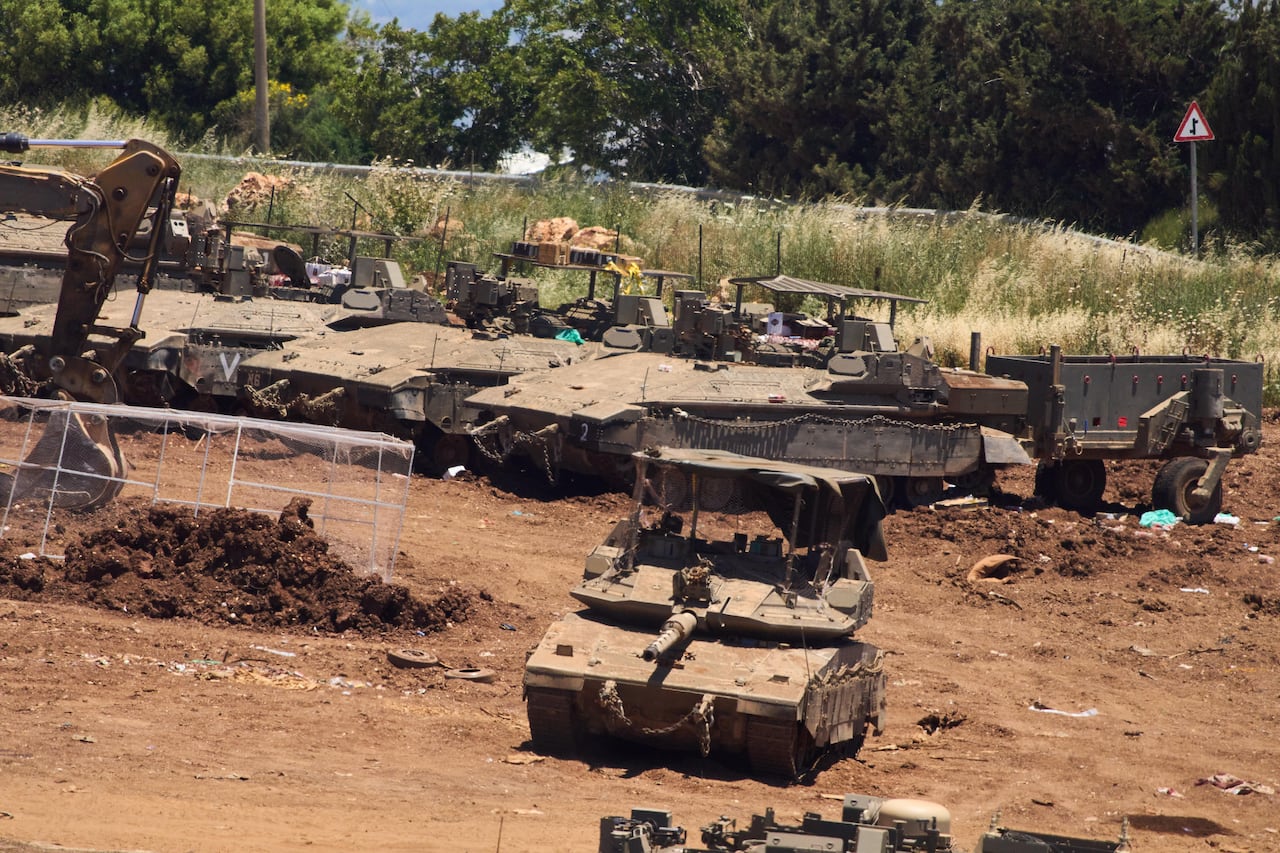 Israeli troops gather on the border with Lebanon in northern Israel on Thursday. (Ariel Schalit/The Associated Press)
The Israeli military, in a warning to residents of the south, said it was continuing to target Hezbollah facilities.
Lebanese President Joseph Aoun said the statement issued in Washington was “a final opportunity to secure a comprehensive and permanent ceasefire.”
Aoun, a Maronite Christian, and Lebanon’s Sunni Muslim Prime Minister Nawaf Salam have been seeking Hezbollah’s peaceful disarmament for a year, fuelling tension with the Shia-dominant group.
Peacekeeper killed, 2 others injured
The UN peacekeeping mission UNIFIL said a UN peacekeeper died Thursday after mortar shells hit his position near Marjayoun in southeastern Lebanon. UNIFIL, which did not say where the shells originated, said two other peacekeepers were wounded and it had opened an investigation into the incident.
The war has continued despite several ceasefires declared from Washington since April. Hostilities between Hezbollah and Israel reignited March 2, when the group opened fire in support of Tehran as it came under U.S.-Israeli attack.
A statement released by the U.S. State Department said the Israel-Lebanon ceasefire was contingent on Hezbollah completely halting fire, and the evacuation of all its operatives from the area between the border and the Litani River.
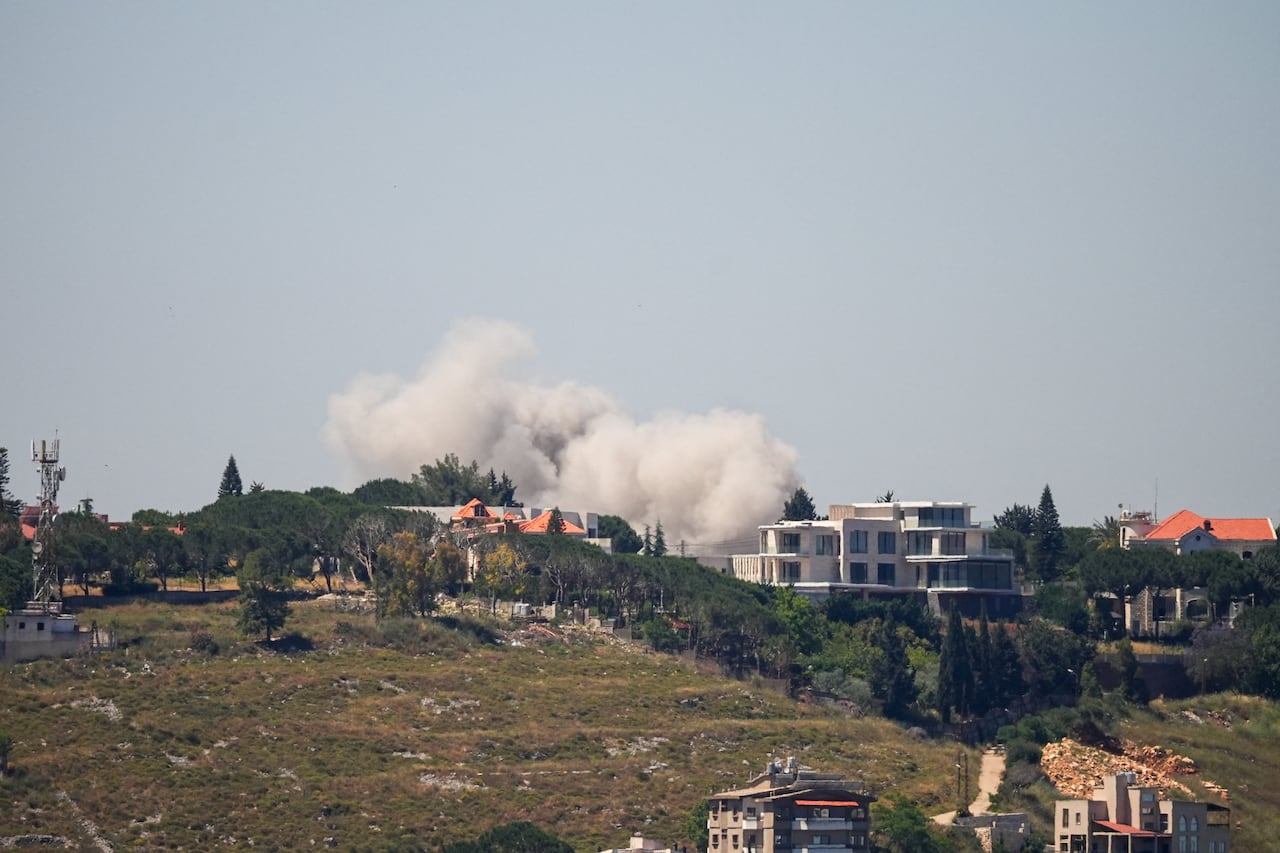 Smoke billows following Israeli strikes, as seen from Nabatieh, Lebanon, on Thursday. (Reuters)
In his statement, Katz said Israeli forces would remain in the security zone, including the area of Beaufort castle, seized by Israeli forces at the weekend, “and without the return of the population,” Katz added. Israel “will, for the time being, continue its fire and operations on the ground.”
Israel’s campaign has forced some 1.2 million people to flee their homes, including hundreds of thousands from southern Lebanon, Lebanese authorities and UN agencies say.
WATCH | Hezbollah integration into Lebanon society a challenge: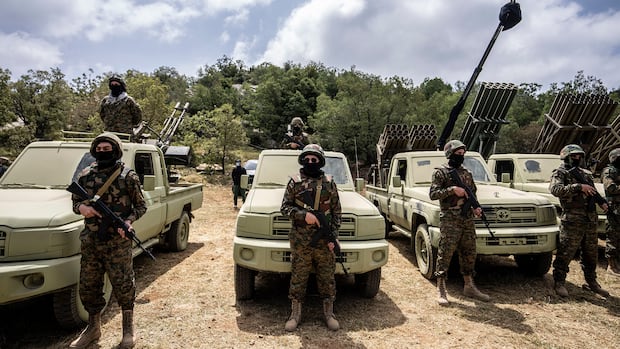
What it will take to disarm Hezbollah
As Israel and Hezbollah exchange strikes, Lebanon’s government is vowing to demilitarize the Iran-backed militia and political party — but is that even possible? For The National, CBC’s Chris Brown takes a closer look at what it would take to disarm Hezbollah and why it hasn’t happened yet.Netanyahu’s security minister criticizes deal
Israel’s far-right National Security Minister Itamar Ben-Gvir called the ceasefire a “serious mistake” and said Prime Minister Benjamin Netanyahu should bring it to the cabinet for a vote.
Ben-Gvir said Hezbollah would not withdraw its fighters from the area south of the Litani River and Lebanon’s Armed Forces were incapable of forcing Hezbollah to comply.
On Monday, U.S. President Donald Trump said Israel would not carry out attacks on Beirut after Netanyahu had said he’d ordered strikes on the Hezbollah-controlled southern suburbs.
LISTEN | Center for International Policy’s Matt Duss on the war and Abraham Accords:
Front Burner31:21Does a ‘peace deal’ fuel Middle Eastern war?
That announcement prompted criticism from Netanyahu’s political opponents, and some allies, that the prime minister had ceded sovereignty.
Katz said Israel would continue to “dismantle terrorist infrastructure in the area” while Israel had “freedom of action, backed by the United States, to strike in Beirut in response to attacks on Israeli communities and territory.”
Lebanese ambassador to Washington Nada Hamadeh Moawad called the deal brokered by the U.S. “a very historic moment for Lebanon.”
The joint statement said Lebanon and Israel agreed “to swiftly advance the creation of pilot zones in which the Lebanese Armed Forces will take exclusive control of the territory to the exclusion of all non-state actors.”
Lebanon’s army deployed into the south as part of a ceasefire agreed in November 2024 to end the last Hezbollah-Israel war, and declared in January that it had established control over the area between the border and the Litani.