
This critique matters because there is a difference between tactical and strategic success. The United States may end up with tactical victories and strategic liabilities. Israel may degrade Iran’s military infrastructure and still face a long-term deterrence problem. But American or Israeli strategic failure does not automatically equate to Iranian victory either. Both can coexist, as has long informed this rivalry.
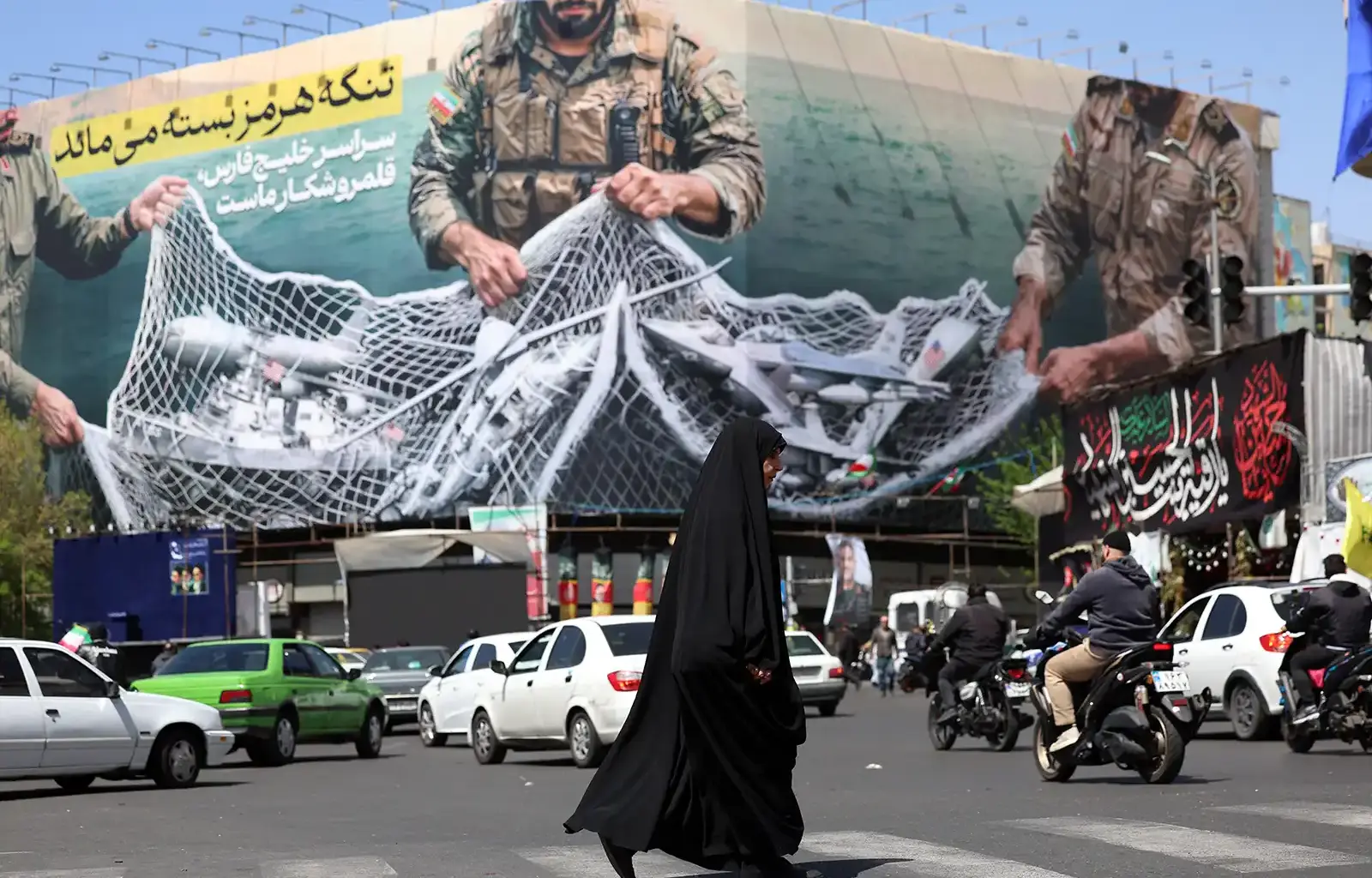
Narrative control informs the fourth scoreboard. The Islamic Republic has long invested heavily in this realm given the low cost. It does not need to persuade the world that it won the war. It only needs to prevent the word “defeat” from becoming widely accepted. Tehran needs enough supporters, sympathetic commentators, regional allies and anti-interventionist voices to repeat a simpler formula: The United States and Israel failed. Iran endured.
To be clear, criticism of American or Israeli military action is not support for the Islamic Republic. Concerns about civilian harm, humanitarian catastrophe, international law, regional escalation, failed military interventions and strategic ineptitude should be taken seriously. But analysis becomes distorted when state survival is recoded as Iranian victory.
The people most absent from this narrative struggle are ordinary Iranians. The international debate about whether Iran won is conducted largely without those who must live with the costs of Tehran’s Pyrrhic victory. Wartime censorship, surveillance, fear and internet restrictions make Iranian public opinion structurally difficult to hear. Access Now has described Iran’s wartime shutdown as a near-total internet disruption that cut millions off from global communication when access to reliable information was most urgent. Internet monitoring by NetBlocks has documented a connectivity drop off nearing 1% of normal levels during the blackout.
Experts have highlighted why this matters politically. During the war, Iranian officials openly treated connectivity as a tool for amplification, granting access to those who could carry the state’s voice while ordinary citizens remained largely offline. In such a system, the regime not only censors dissent; it selects who gets to speak to the world.
That dynamic explains why the victory debate surrounding the war is also a democratic question. A regime official in Tehran, a foreign-policy analyst in Washington, a television commentator in London and an Iranian citizen living through bombardment and blackout in Isfahan are not equally positioned to define what happened or is still happening in the war. Yet the first three often see their perspectives reach wider audiences more easily than the fourth.
Many Iranians can oppose foreign military attack and still believe the Islamic Republic has brought catastrophe upon the country. They can fear American and Israeli power while rejecting the regime that claims to defend them in Iran. They can understand survival not as victory, but as captivity continued in a worsened form.
A better way to assess this war begins with a simple discipline: Specify the scoreboards before declaring the winner. On the military scoreboard, Iran suffered severe damage. On the regime-survival scoreboard, the Islamic Republic endured. On the strategic scoreboard, the United States and Israel may still struggle to turn tactical gains into durable political outcomes. On the narrative scoreboard, Tehran is trying to convert survival into victory. The task for analysts is not to accept that conversion, but to ask who pays for it and whose voices are missing from the verdict.
The views and positions expressed in this article are those of the author(s) and do not necessarily reflect the views of DAWN.