
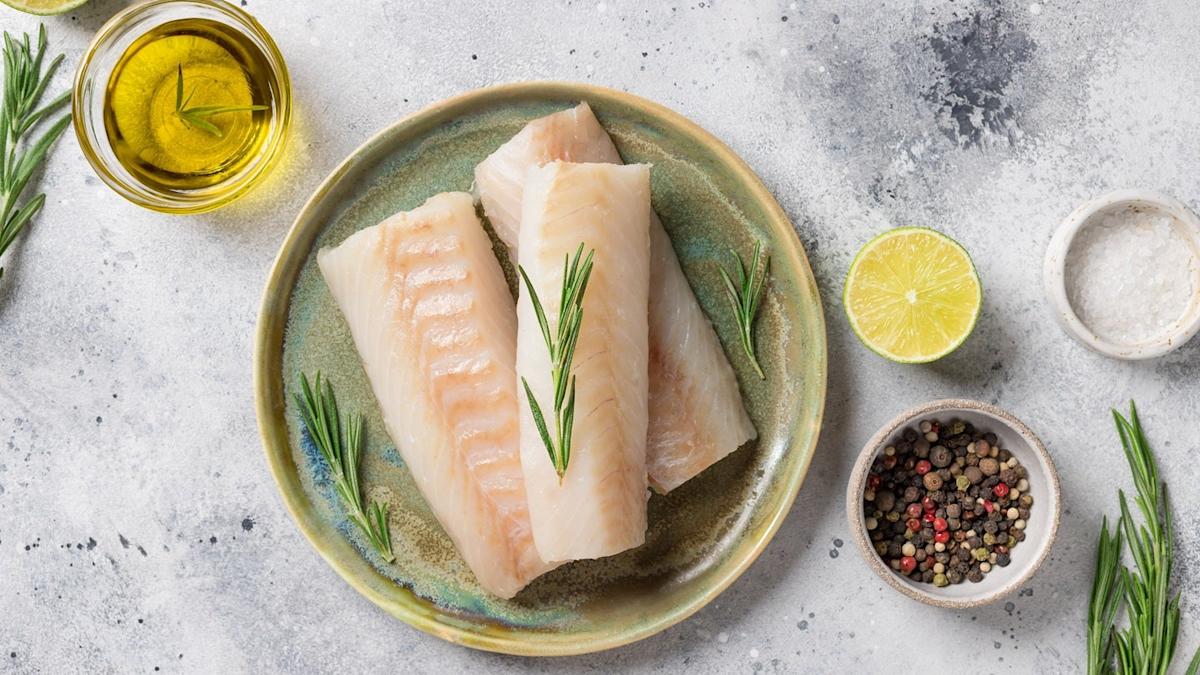
The EU has proposed a ban on cod imports from Russia as part of its latest sanctions package against the country over its invasion of Ukraine.
Brussels first hit Russian fish products in April 2022, when it banned luxury seafood items like caviar.
In 2024, it also ended duty-free and most-favoured nation treatment for Russian fishery products.
“Finally, we are addressing one of the last major unsanctioned sectors: fisheries. We propose substantial restrictions on imports on some fish products, and a complete ban on others, including cod,” European Commission president Ursula von der Leyen said yesterday (9 June). “And we will be aligning trade restrictions for Belarus. So it cannot serve as a backdoor for Russian trade.”
The EU still imported €709m ($819m) worth of Russian fish in 2024, according to Euractiv, with the bulk going to the Netherlands, Germany, France and Poland.
From January to November 2025, Russia ramped up fish shipments to the EU by 5% in both volume and value, reaching 198,000 tonnes worth $784m, Russian news agency TASS reported in February.
Pollock fillets drove the growth due to higher production, with supplies rising 40% in volume and 50% in value to 116,000 tonnes valued at $325m, as per the report.
In contrast, frozen cod exports from Russia to the EU fell 45% in volume and 15% in value to 24,000 tonnes worth $160m, while frozen haddock fillets declined 50% in volume and 25% in value to 900 tonnes worth $6.5m.
“EU lines up Russia cod ban ” was originally created and published by Just Food, a GlobalData owned brand.
The information on this site has been included in good faith for general informational purposes only. It is not intended to amount to advice on which you should rely, and we give no representation, warranty or guarantee, whether express or implied as to its accuracy or completeness. You must obtain professional or specialist advice before taking, or refraining from, any action on the basis of the content on our site.