
The Pennsylvania Department of Agriculture has issued a quarantine order and is urging farmers and pet owners to strengthen biosecurity after New World screwworm cases were confirmed in the United States. Agriculture Secretary Russell Redding said the order is intended to protect the state’s livestock industry, pets, wildlife and broader agricultural economy from a destructive pest that can cause severe and sometimes deadly damage to living animals. “Pennsylvania has no confirmed cases of New World Screwworm, but this destructive pest poses a serious threat to our livestock industry, companion animals, wildlife, and agricultural economy,” Redding said. “Taking proactive steps now to strengthen biosecurity and limit unnecessary animal movements from affected areas will help protect our farms and communities.” Quarantine order in effectAccording to the Pennsylvania Department of Agriculture, the quarantine order took effect June 9 and restricts the movement of susceptible domestic animals entering the state from affected areas. The order also requires veterinary inspections, animal health certification and preventive measures aimed at reducing the risk of the pest entering Pennsylvania through transported animals. State officials said animal owners, producers, veterinarians and transporters should review the order and work with state or federal animal health officials before moving susceptible animals into Pennsylvania. Cases confirmed in the U.S. The U.S. Department of Agriculture confirmed the first U.S. case of New World screwworm on June 3 in Texas. As of June 10, additional cases had been reported in Zavala, Gillespie and LaSalle counties in Texas, as well as in Lea County, New Mexico. There have been no reported cases in Pennsylvania. Officials warn of serious threat State Veterinarian Dr. Alex Hamberg said New World screwworm differs from common flies and maggots because its larvae feed on living tissue.“These larvae feed on living tissue, causing severe wounds that can quickly become life-threatening if left untreated,” Hamberg said in a statement. “Producers, veterinarians, and pet owners should regularly inspect animals for wounds that fail to heal or show signs of maggot infestation. If producers suspect NWS, they should seek veterinary care immediately.”According to the agriculture department, the pest can infest livestock, pets, wildlife, occasionally birds and, in rare cases, people. What to watch for The department said Pennsylvanians should watch animals for signs, including: Unusual irritation Head shaking Smell of decay Maggots in wounds Adult screwworm flies are slightly larger than common houseflies and have orange eyes, metallic blue or green bodies and three dark stripes on their backs.Officials said the larvae develop only in the living tissue of warm-blooded animals, typically entering through open wounds, ulcers or tears in the skin or mucous membranes.The agriculture department said it is coordinating with the Pennsylvania Department of Health, the Pennsylvania Game Commission, and the Department of Environmental Protection to monitor and reduce risks.Anyone who suspects a New World screwworm infestation should contact a veterinarian immediately and report the case to the Pennsylvania Department of Agriculture’s Bureau of Animal Health and Diagnostic Services at 717-772-2852.
The Pennsylvania Department of Agriculture has issued a quarantine order and is urging farmers and pet owners to strengthen biosecurity after New World screwworm cases were confirmed in the United States.
Agriculture Secretary Russell Redding said the order is intended to protect the state’s livestock industry, pets, wildlife and broader agricultural economy from a destructive pest that can cause severe and sometimes deadly damage to living animals.
“Pennsylvania has no confirmed cases of New World Screwworm, but this destructive pest poses a serious threat to our livestock industry, companion animals, wildlife, and agricultural economy,” Redding said. “Taking proactive steps now to strengthen biosecurity and limit unnecessary animal movements from affected areas will help protect our farms and communities.”
Lidya Elfa Sari
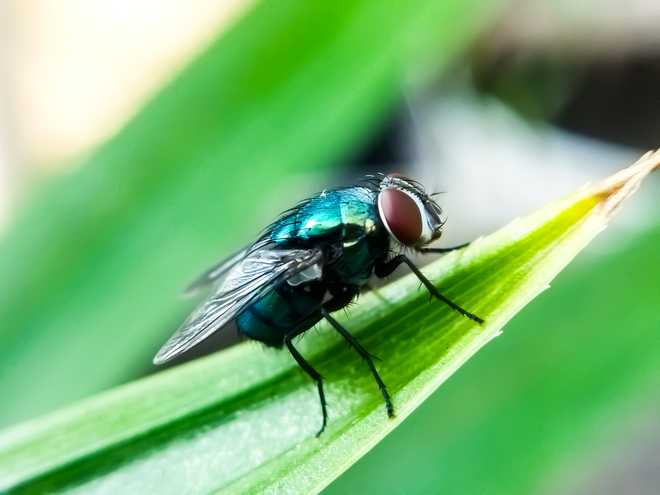
New World screw worm fly
Quarantine order in effect
According to the Pennsylvania Department of Agriculture, the quarantine order took effect June 9 and restricts the movement of susceptible domestic animals entering the state from affected areas.
The order also requires veterinary inspections, animal health certification and preventive measures aimed at reducing the risk of the pest entering Pennsylvania through transported animals.
State officials said animal owners, producers, veterinarians and transporters should review the order and work with state or federal animal health officials before moving susceptible animals into Pennsylvania.
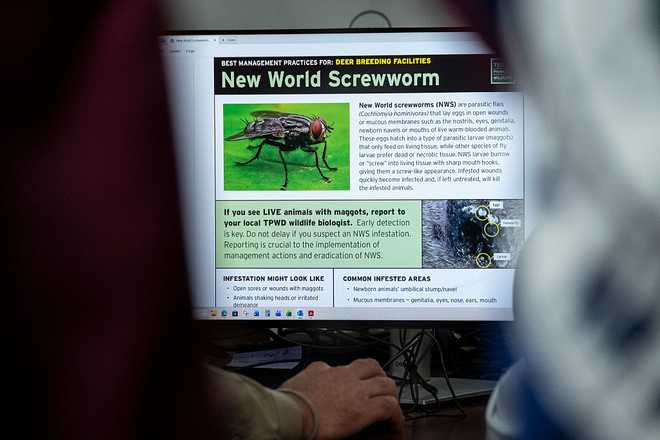
Joel Angel Juarez
A view inside the Texas Division of Emergency Management State Operations Center
Cases confirmed in the U.S.
The U.S. Department of Agriculture confirmed the first U.S. case of New World screwworm on June 3 in Texas.
As of June 10, additional cases had been reported in Zavala, Gillespie and LaSalle counties in Texas, as well as in Lea County, New Mexico.
There have been no reported cases in Pennsylvania.
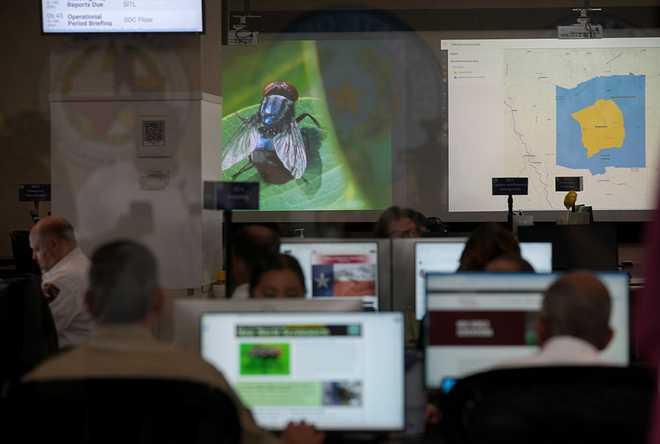
Austin American-Statesman/Hearst Newspapers
Officials work at the State Operations Center in Texas
Officials warn of serious threat
State Veterinarian Dr. Alex Hamberg said New World screwworm differs from common flies and maggots because its larvae feed on living tissue.
“These larvae feed on living tissue, causing severe wounds that can quickly become life-threatening if left untreated,” Hamberg said in a statement. “Producers, veterinarians, and pet owners should regularly inspect animals for wounds that fail to heal or show signs of maggot infestation. If producers suspect NWS, they should seek veterinary care immediately.”
According to the agriculture department, the pest can infest livestock, pets, wildlife, occasionally birds and, in rare cases, people.
What to watch for
The department said Pennsylvanians should watch animals for signs, including:
Unusual irritation Head shaking Smell of decay Maggots in wounds
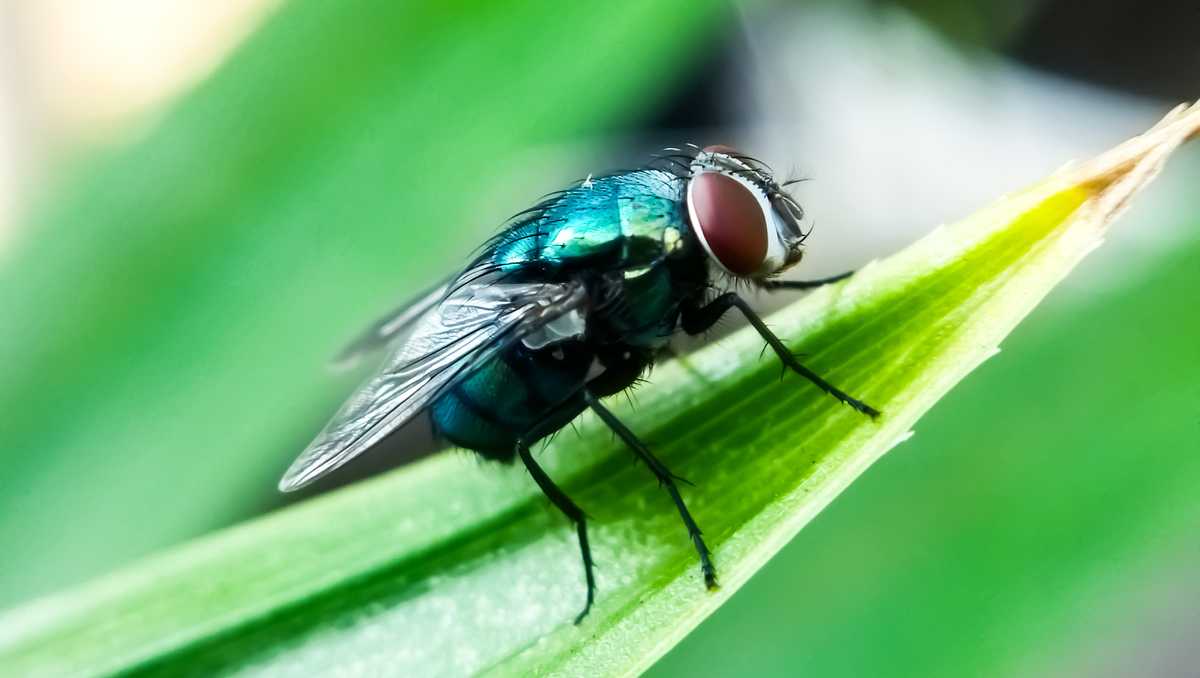
Adult screwworm flies are slightly larger than common houseflies and have orange eyes, metallic blue or green bodies and three dark stripes on their backs.
Officials said the larvae develop only in the living tissue of warm-blooded animals, typically entering through open wounds, ulcers or tears in the skin or mucous membranes.
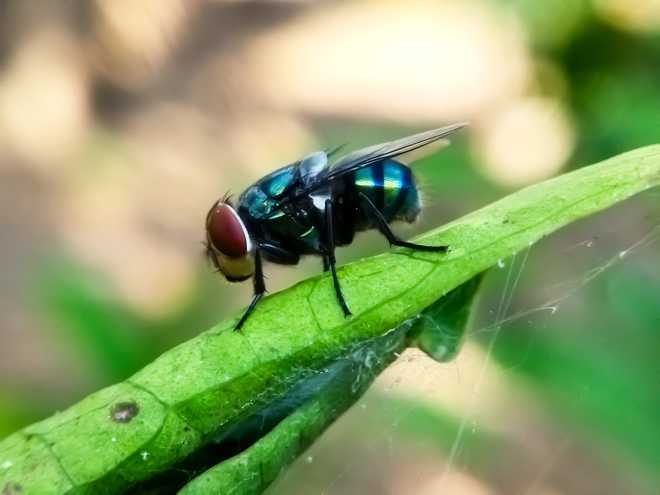
Lidya Elfa Sari
New World screw worm fly
The agriculture department said it is coordinating with the Pennsylvania Department of Health, the Pennsylvania Game Commission, and the Department of Environmental Protection to monitor and reduce risks.
Anyone who suspects a New World screwworm infestation should contact a veterinarian immediately and report the case to the Pennsylvania Department of Agriculture’s Bureau of Animal Health and Diagnostic Services at 717-772-2852.