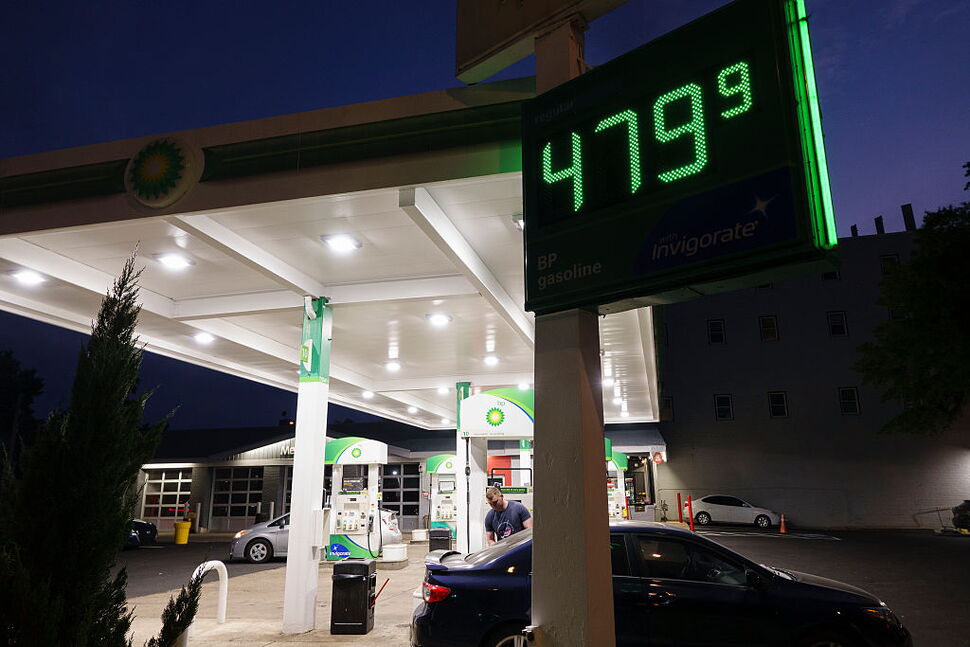
News of a U.S.-Iran deal to extend the fragile ceasefire might have you hoping gas prices will tumble back to a more normal level. But the cost of fuel and groceries may not drop much for weeks or even months. Your July 4 road-trip or cookout may still give you sticker shock.
And that’s assuming that the two sides have an agreement. It’s not clear if the deal has been sent to Congress, but senior U.S. officials dictated the memo’s purported text to journalists today.
Make Your Inbox Smarter
Sign up for these free email newsletters from U.S. News:
Pick Newsletters
The agreement’s central provisions include the end of the U.S. blockade of Iranian ports in parallel with the termination of Tehran smothering shipping through the Strait of Hormuz. It kicks the more difficult issues, like the future of Iran’s nuclear programs, to a 60-day negotiation. In the short term, the U.S. will waive – not eliminate – sanctions on Iranian oil.
Ever since some details of the arrangement started leaking out, some prominent American hawks have angrily condemned it.
The good news is that national gas prices have fallen for three straight weeks, according to AAA. The national average for a gallon of regular is $4.04. The bad news is that’s still far above the $2.98 from the days immediately before the war.
Oil prices have dropped. But while gas prices tend to soar when oil prices do, they take longer to come back down, a phenomenon economists call “up like a rocket, down like a feather.”
Why? A few reasons: Gas stations struggle to keep up with their own rising costs when prices increase, making them reluctant to quickly reduce prices when oil drops. They also buy in bulk, meaning that they have high-priced inventories to clear out when a crisis dissipates. Finally, when prices drop, consumers get less choosy about where they buy their gas, disincentivizing stations from quickly lowering prices.
“Getting the $4 gas again isn’t too hard, but getting under four is going to be tough,” Heather Long, chief economist at Navy Federal Credit Union, told Decision Points.
“It’s hard to predict if we’ll be under four for the July 4 weekend. We’ll probably be right around it. But you know the reality is that this is a great time for profits for your local gas station, and they are not eager to get much below $4,” she added. “There’s a lot of demand for the summer travel season, and consumers have gotten used to $4 gas, and there’s no pressure to lower that.”
The Future of Oil
The new U.S.-Iran arrangement sets up a 60-day period to negotiate the thorniest problems, like Tehran’s nuclear activities. It’s renewable by mutual consent. But those talks could also just collapse, potentially leading to renewed fighting.
During the fighting, Iran retaliated for American and Israeli strikes by bombing energy infrastructure in places like Qatar and mostly closing the Strait of Hormuz, choking off oil exports. And markets may not be prepared to simply return to the status quo ante even if the deal reopens Hormuz.
“I suspect markets will build in a risk premium reflecting unease about the possibility of renewed tensions even after the physical rearrangement takes place,” Catherine Wolfram, a professor of the economics of energy at MIT’s Sloan School of Management, told Decision Points. “Getting the physical market back together might take a couple of months.”
Broader Inflation
That’s oil and gas. What about other prices in the economy? If my July 4 drive will be only mildly cheaper, is my cookout going to be considerably more affordable at least?
“What worries me the most is this is more than a gas-price story,” Long said. “In the latest inflation reports, you’ve got food, electricity, medical care and housing that are all rising a good bit above 3%. And those are core expenses: You can’t just eat less avocado toast and have enough money to pay your medical or your electric bills.”
Navy Federal, which has 15 million members, started to see some retrenchment on healthcare spending in the spring.
Long points to the surging producer price index – which captures inflation before it reaches consumers. It jumped 6.5% from May 2025.
“That’s the canary in the coal mine,” she says. “We’re already above 4% on the consumer prices, but you know that’s where you have to believe, and every forecaster does, that the worst of the food inflation is still coming.”
Photos You Should See – June 2026