
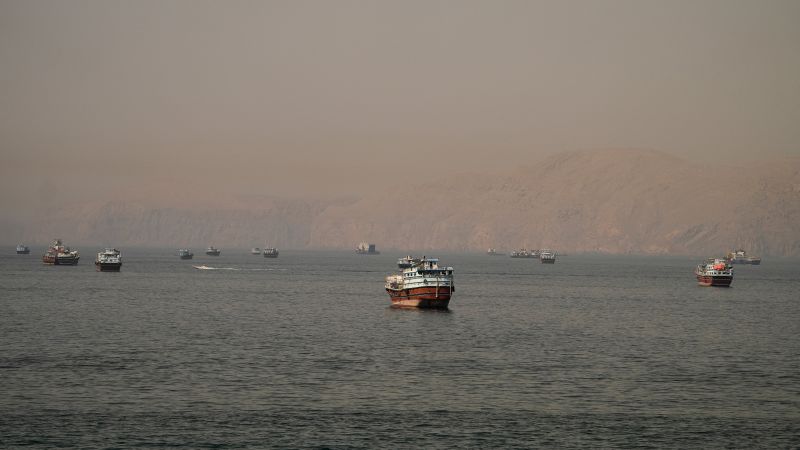
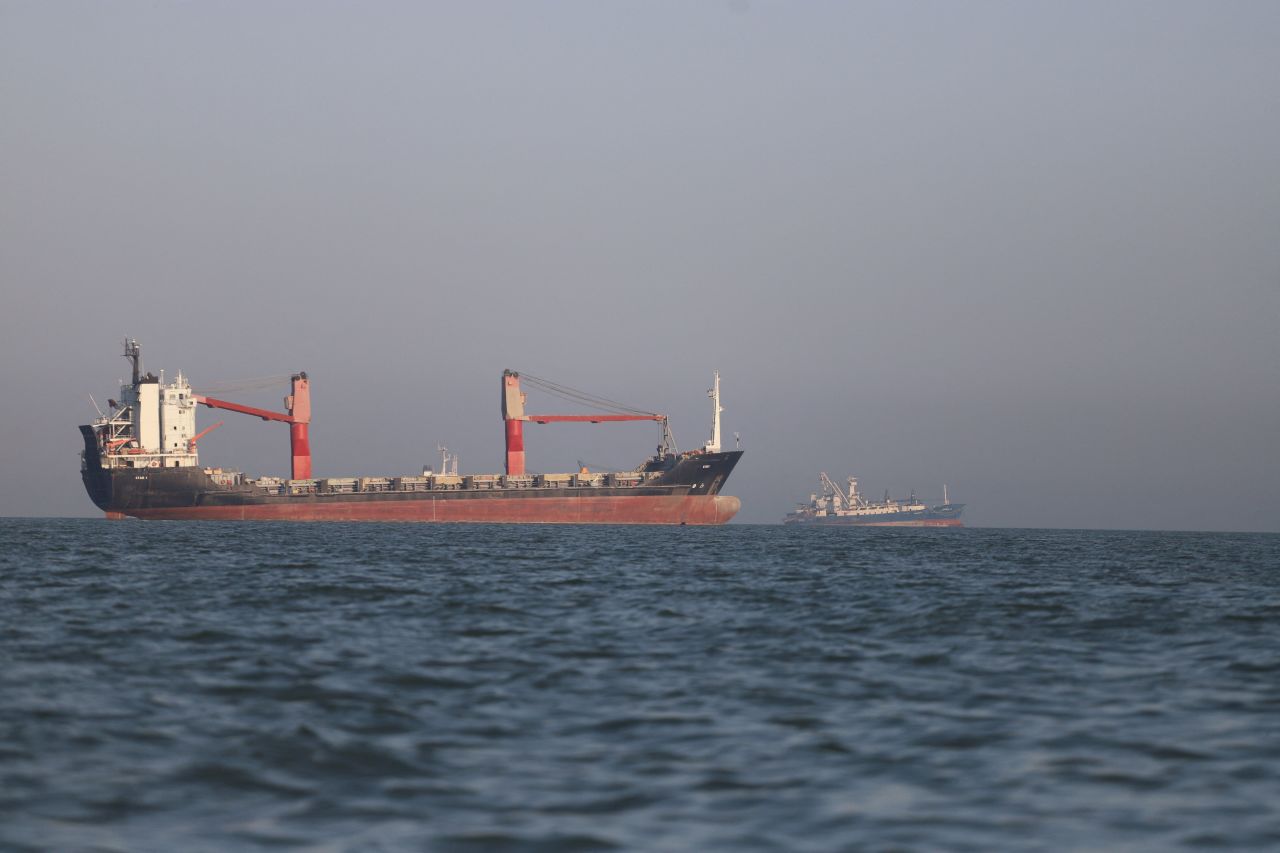
Ship captains say the Strait of Hormuz will reopen in a slow stream, not a rush, and it could take weeks or longer for maritime traffic to return to pre-war levels.
“It’s not just get up and go when the traffic light turns green,” Captain Samanth Baktavatsalam told CNN, noting the danger posed by mines in the waterway and a large backlog of ships.
The strait has been the subject of a blockade amid the conflict between the US and Iran. Its reopening is a key part of the memorandum of understanding between the US and Iran.
“Once everything settles down and it’s official that ships can safely transit, then it will become a logistics issue,” Baktavatsalam said in an interview from India Thursday.
Earlier this week, Kpler estimated around 220 tankers and 500 ships were stranded in the Persian Gulf.
“You cannot all rush in at once,” said Baktavatsalam. “Because of the number of ships involved, some system has to be set up.”
Captain Abhijit Chopra, a seafarer currently stranded in the Gulf, believes traffic through the Strait of Hormuz will normalize by the end of July.
Chopra is a tanker master who, along with his crew of 22 seafarers, has been stuck in the region since late January.
“Getting back to normal will take time,” he told me. “It will definitely get back to normal, and I sincerely hope people will be behind us and we can move forward and the blockade of Hormuz will be behind us like the days of Covid.”
During the conflict, an estimated 20,000 seafarers have been stranded in the Gulf.