
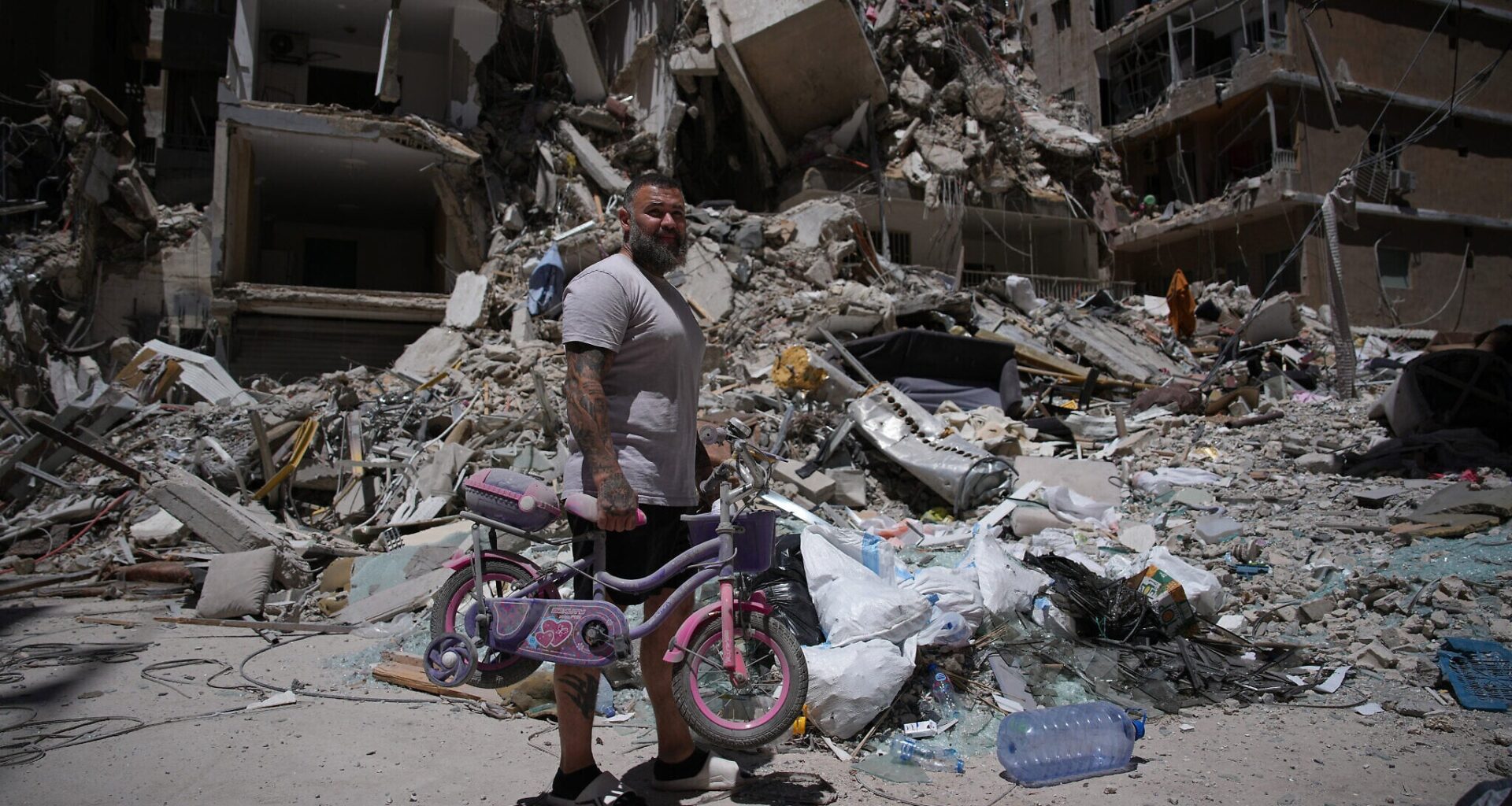
Israel and Hezbollah agreed to a ceasefire on Friday afternoon, a US official said, after another flare-up in southern Lebanon that saw four Israeli soldiers and dozens of Lebanese casualties.
The renewed truce appeared as fragile as ever, as it didn’t see Israel pull out of the large buffer zone it established in southern Lebanon — one that Hezbollah has used to justify continued attacks on troops stationed there as well as on northern Israeli towns across the border.
The latest deal was brokered by the US and Qatar through talks with Israel and Iran respectively, a senior US official said in a statement to reporters. While Hezbollah sources confirmed the truce, Israel refrained from doing so publicly until Friday evening when its ambassador to the US declared that Jerusalem “remains firmly committed to an immediate ceasefire.”
“At 11:30 this morning, Israel halted all offensive operations; Hezbollah and Iranian claims to the contrary are bold lies,” Yechiel Leiter wrotes on X. “If Hezbollah honors the agreement and ceases its hostilities, they will be met with quiet.”
The US official who first announced the truce notably did not even try to hide the fact that mediators relied on Iran to secure the ceasefire — an admission of Tehran’s ability to influence events in Lebanon.
Get The Times of Israel’s Daily Edition
by email and never miss our top stories
By signing up, you agree to the terms
The US and Israel had previously stressed the importance of detaching Iran from events in Lebanon, even if they privately recognized Tehran’s control over its terror proxy.
US President Donald Trump’s administration has even brokered talks between Israel and the Lebanese government that have been used to announce previous ceasefires between Israel and Hezbollah, even if Beirut’s ability to influence the Iran-backed militia was limited at best.
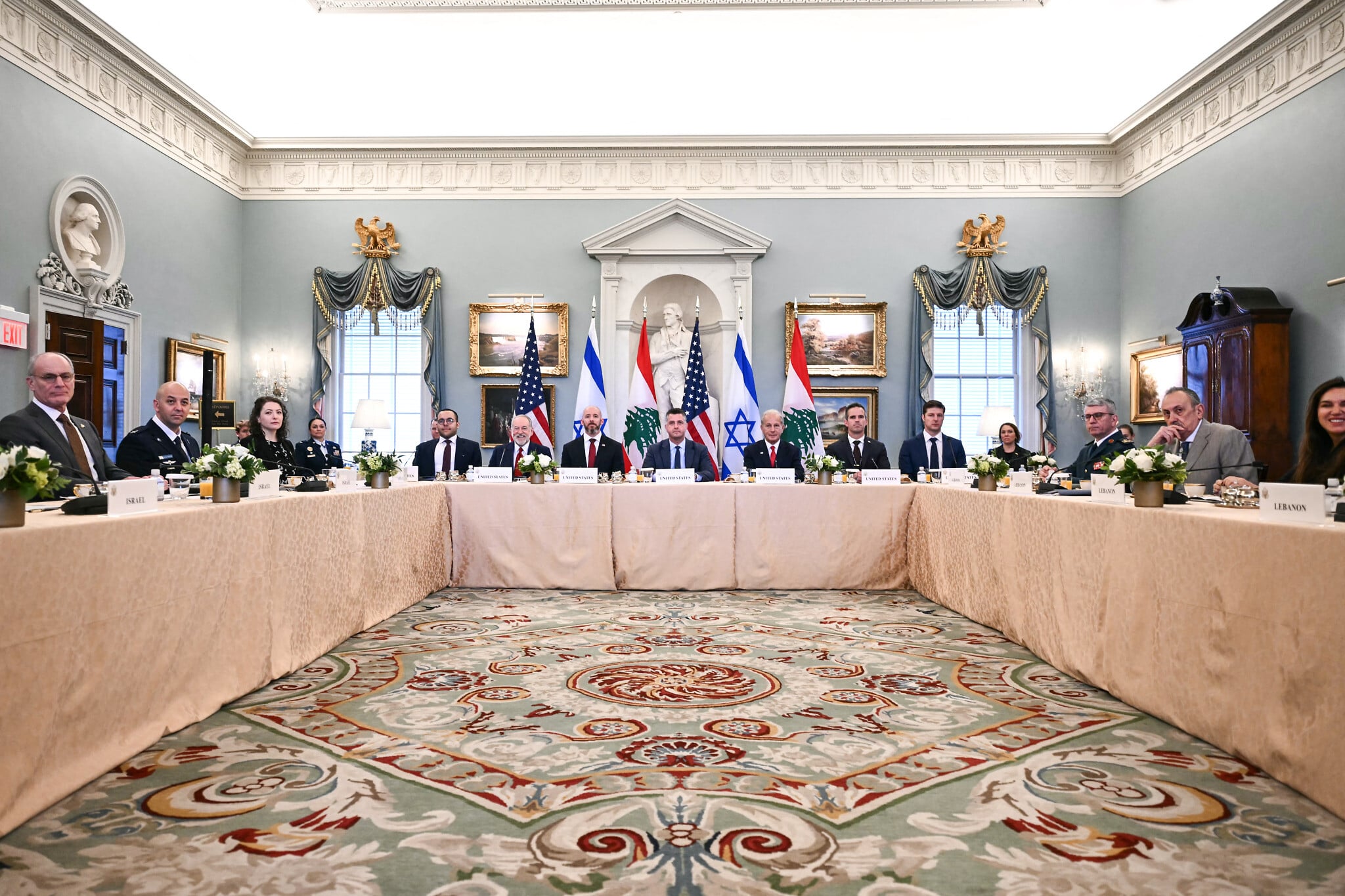
Yechiel Leiter (far L), Israeli Ambassador to the US, and Nada Hamadeh (far R), Lebanese ambassador to the US, attend a meeting hosted by the United States at the State Department in Washington, DC, on June 2, 2026. Leading the US delegation are Deputy National Security Adviser Mike Needham (C), State Department Chief of Staff Daniel Holler (L of Needham), and US Ambassador to Israel Mike Huckabee (L of Holler). (Kent NISHIMURA / AFP)
It was that process Israel declared it was committed to when Ambassador to Israel Yechiel Leiter said Thursday night that Jerusalem would hold its fire in Lebanon if Hezbollah did the same.
But with Iran warning that Israel’s operations in southern Lebanon amount to a violation of the memorandum of understanding inked with the US this week, the US and Qatar apparently decided to go straight to Tehran to broker Friday’s agreement.
It’s unclear if or for how long Iran will accept the deal, given that the issue wasn’t just Israel’s attacks on Hezbollah but also the Israel Defense Forces’s presence in southern Lebanon that Tehran has argued violates the MOU, which stipulates “an immediate and permanent termination of military operations on all fronts, including in Lebanon.”
Iran has reportedly been citing Israel’s continued operations in Lebanon as its reason for holding back on sending a delegation to Switzerland for the first round of technical talks under the MOU, which a US official said was initially supposed to take place on Friday. A time has not yet been publicly announced.
While Israel’s continued operations have also sparked unprecedented public criticism from the Trump administration, Prime Minister Benjamin Netanyahu reiterated on Friday that the IDF would remain in southern Lebanon, arguing that the buffer zone is necessary to protect its citizens in the north from Hezbollah attacks. Israel established a similar buffer zone decades ago in 1985, but pulled out in 2000 due to persistent IDF casualties of the kind it is now facing in south Lebanon on a near-daily basis.
Earlier Friday, the IDF announced that four of its soldiers had been killed overnight after a suspected drone or anti-tank missile struck their tank in the southern Lebanese village of Kfar Tebnit.
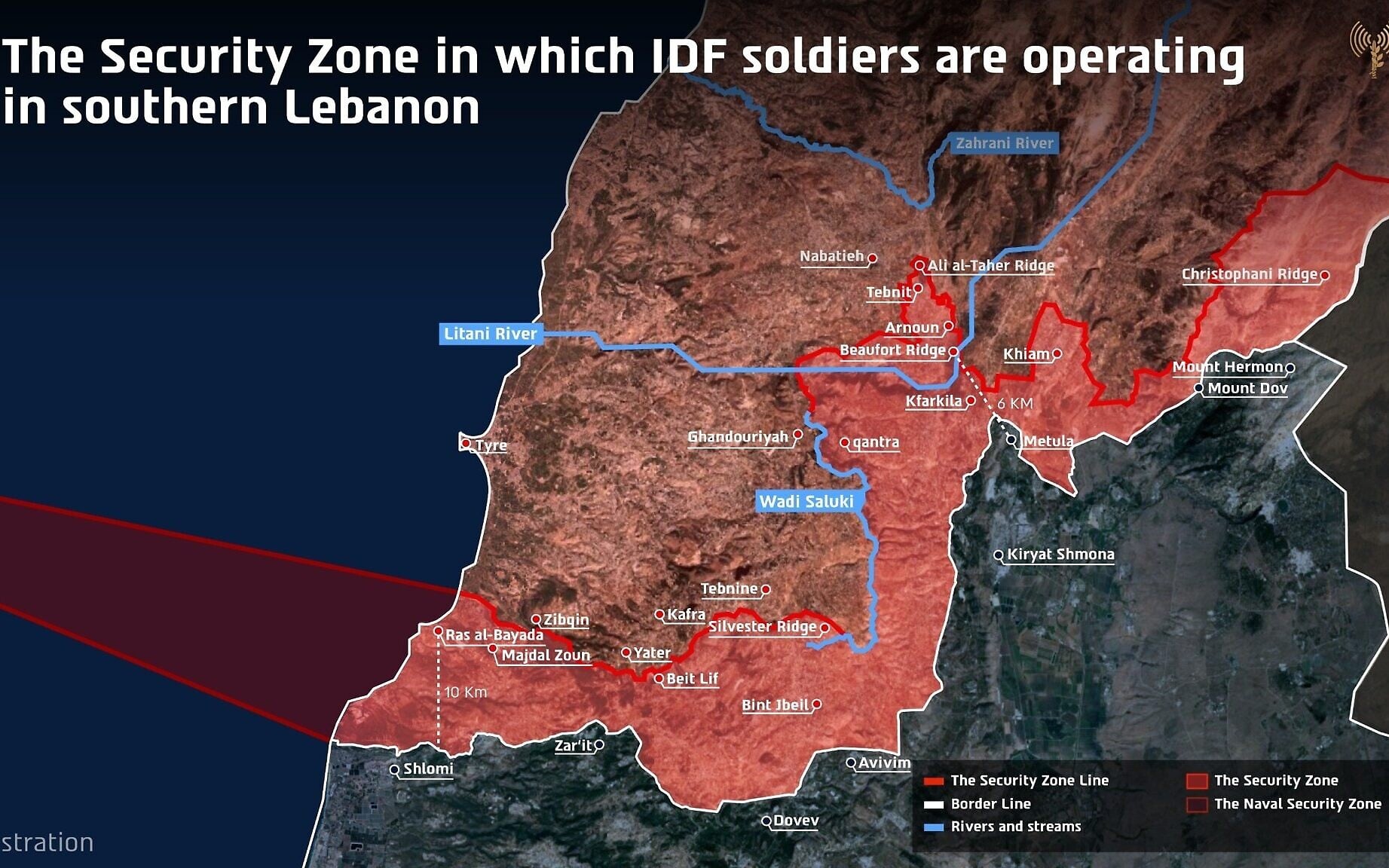
A map published by the IDF, showing its forward defense line in southern Lebanon, June 18, 2026. (Israel Defense Forces)
Israel responded by carrying out 150 strikes on what it said were Hezbollah targets across southern Lebanon, with Netanyahu declaring in a statement that the IDF had killed dozens of Hezbollah terrorists in those strikes.
The Lebanese health ministry later said that those Israeli airstrikes killed at least 47 people and wounded 97 others.
The dead included at least seven women and two children, though the figures did not otherwise differentiate between civilians and combatants.
Trump: I asked Israel to agree to new truce with Hezbollah
Lebanese President Joseph Aoun condemned Israel’s strikes, saying that the “killing and destruction constitute a dangerous escalation.”
“It effectively targets all ongoing efforts to consolidate the ceasefire and end the war,” a statement from the Lebanese presidency said, noting the “recent developments” between the US and Iran.
Lebanese Hezbollah lawmaker Hassan Fadlallah told Reuters on Friday that Iran had informed the terror group that talks with the US could not continue without the implementation of a comprehensive ceasefire.
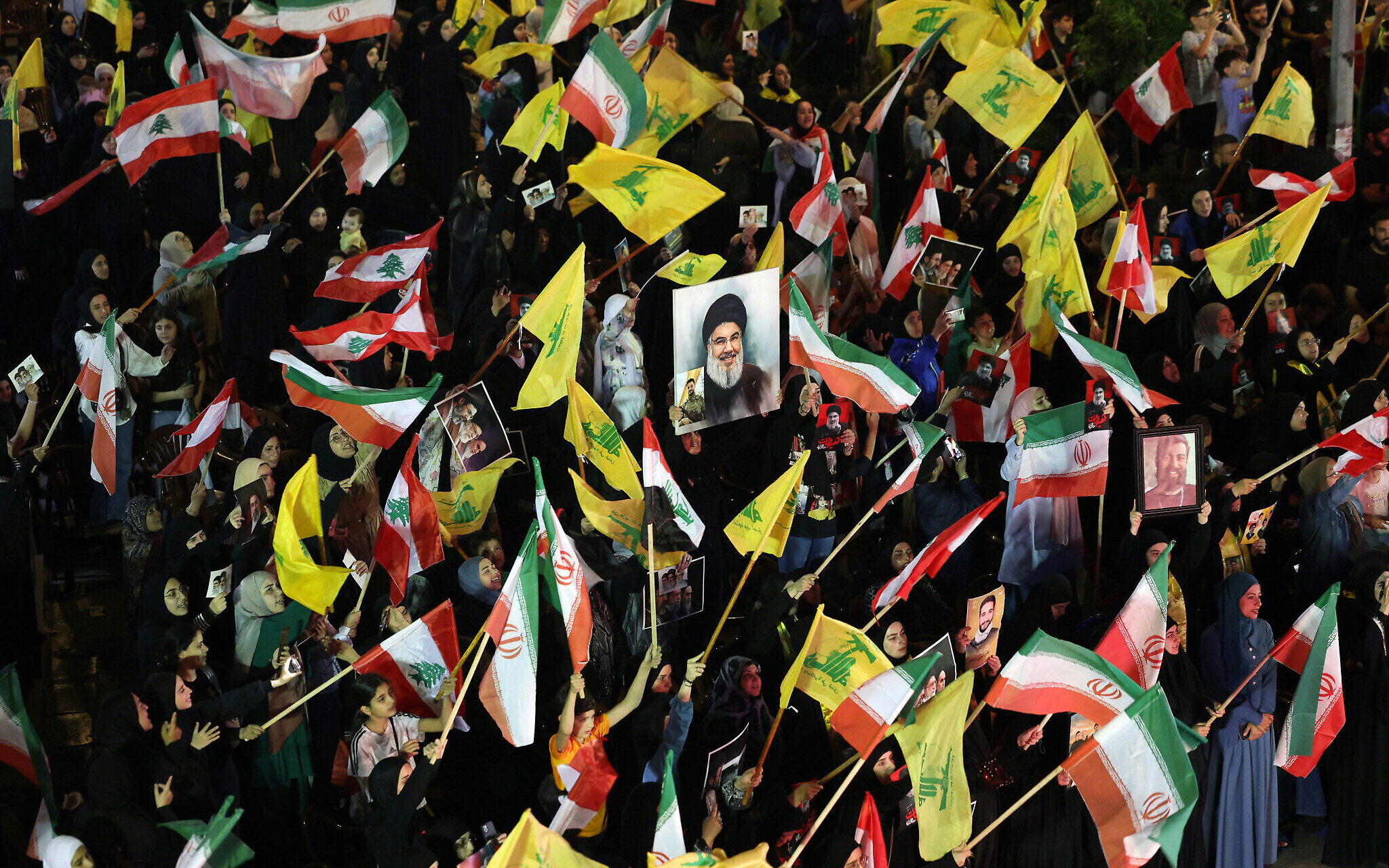
Supporters of Iran-backed terror group Hezbollah wave flags and hold a portrait of slain leader Hassan Nasrallah during an anti-US and anti-Israel protest in Beirut’s southern suburbs on June 10, 2026. (Anwar AMRO / AFP)
He called on the Lebanese government to reject any direct negotiations with Israel as Israeli attacks on Lebanon continue. He said Washington bore responsibility for ensuring Israel halted its attacks and implemented the terms of the agreement.
Hezbollah itself also issued a statement, vowing to defend Lebanon’s territory and people against Israeli attacks.
For his part, Trump told NBC News in a Friday phone interview that he spoke with “Israel” and asked it to agree to a ceasefire with Hezbollah.
“You just gotta calm down sometimes and use your head,” Trump is quoted as saying on X by an NBC reporter, who added that the president declined to specify whether he spoke with Netanyahu directly.
US intel: Netanyahu expected to undermine Iran deal
The Washington Post separately reported on Friday that a US intelligence analysis has warned that Netanyahu is expected to take actions in Lebanon that will undermine the Trump administration’s push for a lasting peace with Iran.
Citing current and former US officials, the report said US intelligence agencies believe Israel seems determined to continue fighting against Hezbollah in Lebanon, even though the MOU between Iran and the administration calls for a cessation of military operations there.
The analysis reportedly states that ahead of Knesset elections in the fall, Netanyahu’s political fate depends on him maintaining Israeli forces in southern Lebanon and that he wants to ramp up Israeli attacks on Hezbollah.
Later on Friday, Aoun held a phone call with US Secretary of State Marco Rubio during which he reiterated that continued Israeli operations in his country were undermining the US-led negotiations between Jerusalem and Beirut, according to the Lebanese readout.
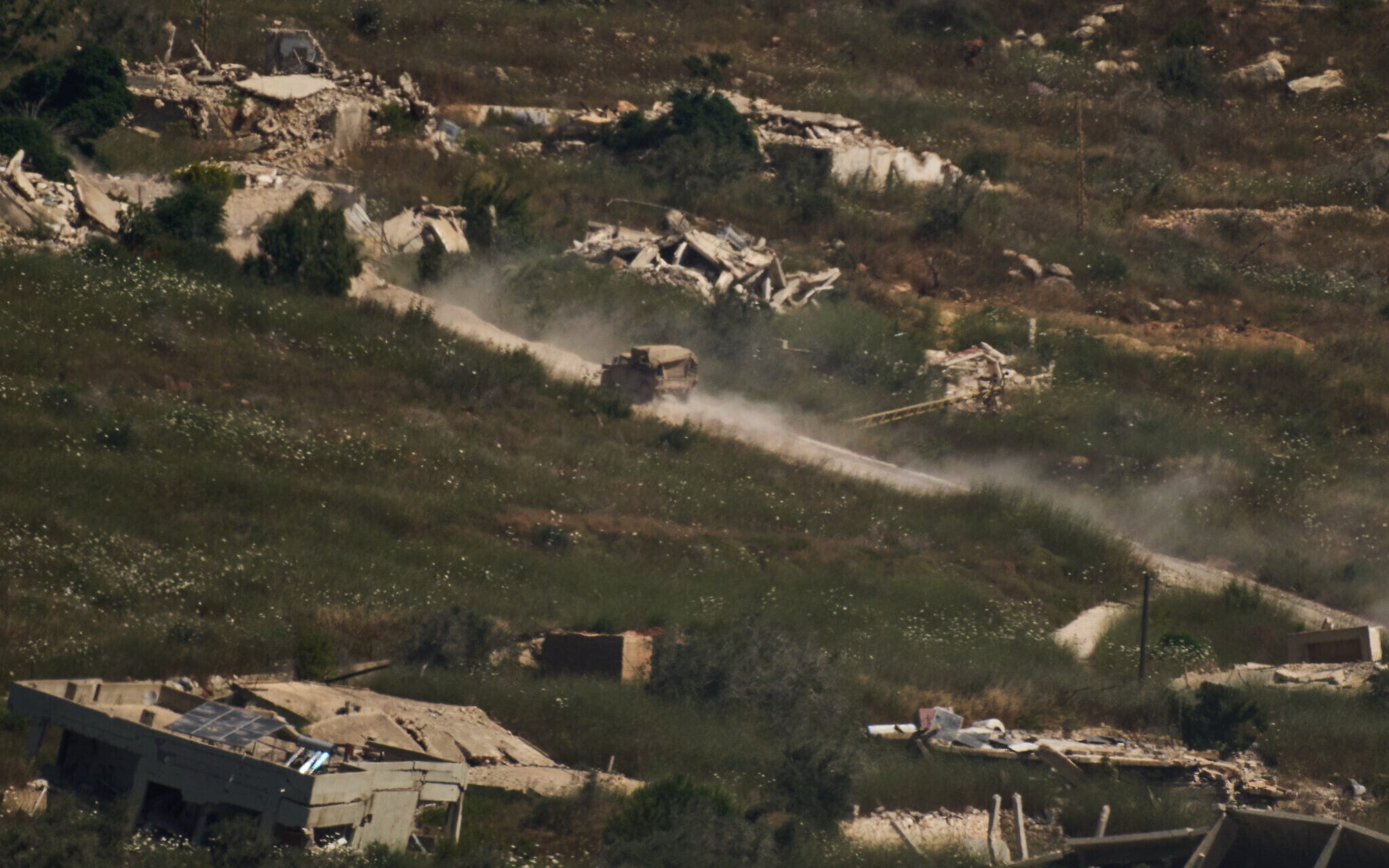
An IDF military vehicle moves past destroyed buildings in southern Lebanon as seen from northern Israel, June 19, 2026. (AP Photo/Leo Correa)
Rubio, in turn, reaffirmed US support for Lebanon’s “efforts to create a fully sovereign Lebanese state that is at peace with all its neighbors,” according to the State Department readout.
Rubio also “commended President Aoun’s courage in pursuing a historic opportunity for Lebanese sovereignty and recovery” and asserted that Lebanon’s talks with Israel represent the only path to Beirut’s recovery.
The State Department readout revealed that the next round of US-brokered Israel-Lebanon talks will take place from Tuesday to Thursday this coming week in Washington.
Netanyahu enlists Dermer in bid to assuage hawish ministers
Meanwhile, Netanyahu faced pressure from his own government to respond even more harshly, with far-right National Security Minister Itamar Ben Gvir declaring that “all of Lebanon must burn” after Israel’s military announced the deaths of four soldiers from the Hezbollah attack.
“With all due respect to the Americans, Israel must make it clear to the entire world that the blood of our sons and the security of our citizens are not up for bargaining. All of Lebanon must burn,” Ben Gvir said in a statement.
Iranian Foreign Minister Abbas Araghchi posted a screenshot of Ben Gvir’s remarks, tagged Trump and US Vice President JD Vance and accused Israel of wanting “permanent war.”
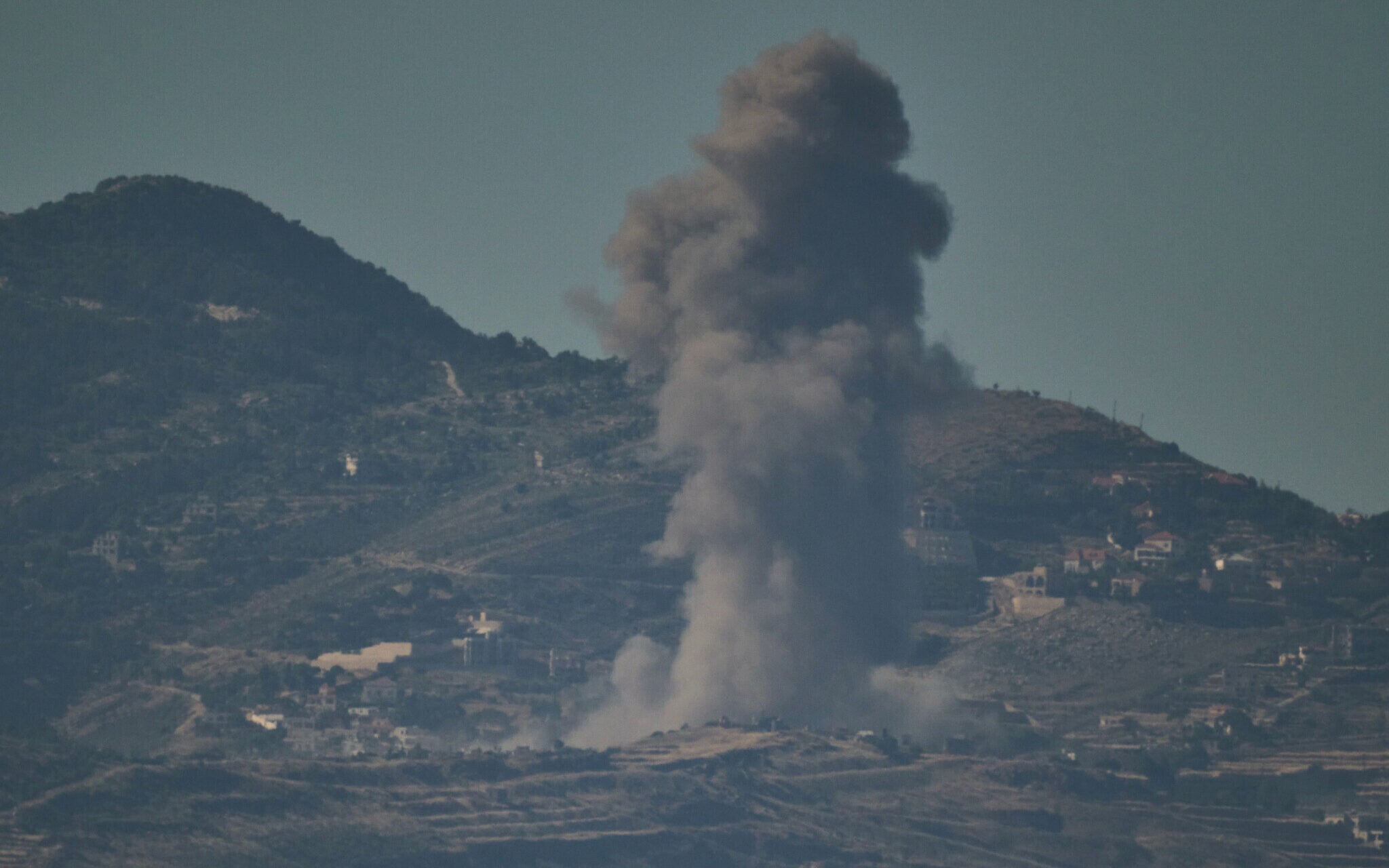
Smoke rises to the sky following an Israeli military strike in southern Lebanon as seen from northern Israel, June 19, 2026. (AP Photo/Leo Correa)
“This is not a rant by a random genocidal lunatic. It’s a public post by the national security minister of the Israeli regime. The genocidal death cult headquartered in Tel Aviv is a threat to all of humanity. It threatens all humans. Its only interest is permanent war,” Araghchi wrote on X.
In an attempt to neutralize the domestic pressure, Netanyahu has invited his close confidante and former top aide, Ron Dermer, to recent consultations in an effort to calm ministers pushing for intensive military action against Lebanon’s Hezbollah, Channel 12 news reported on Friday.
“This is a real emergency,” Dermer, a former Israeli ambassador to the US who has worked to forge close ties between Netanyahu and the Trump administration, is quoted as saying. “The situation isn’t easy. We cannot make it worse. Trump can’t perceive Israel as being responsible for the efforts to reach a final deal with Iran failing.”
The network also cites an unnamed minister lashing out at the US president, referring to him as “the ginger” while calling for tougher action after four soldiers were killed in southern Lebanon, saying that if Israel doesn’t act now “we won’t succeed [in doing so] later.”
“This is the time to formulate the rules of the game, before they are ultimately formulated for us,” the unnamed minister is quoted as having said.
Hezbollah, which has kept up incessant drone and rocket attacks on Israel’s north, dragged Lebanon into the regional war with Iran in early March by firing rockets at Israel for the first time since the November 2024 Israel-Hezbollah ceasefire deal.
Israel responded with massive airstrikes and a full-scale invasion in Lebanon, subsequently establishing a buffer zone that currently runs up to 10 kilometers (6 miles) deep from the border into Lebanese territory.
Hezbollah’s renewed attacks on Israel came in response to the killing of Iran’s Supreme Leader Ali Khamenei at the start of the US-Israeli bombing campaign against Iran on February 28. The fighting in Iran entered a truce on April 8 even as Israel and Hezbollah continued exchanging fire.
Under the November 2024 Israel-Lebanon deal, which ended over a year of earlier hostilities initiated by Hezbollah, the Lebanese army was supposed to disarm the terror group. Beirut has so far failed to do so.
In the US-brokered Israeli-Lebanese talks that began in April, the sides affirmed their support for the 2024 agreement. Hezbollah, meanwhile, has slammed the Lebanese government for negotiating directly with Israel.