
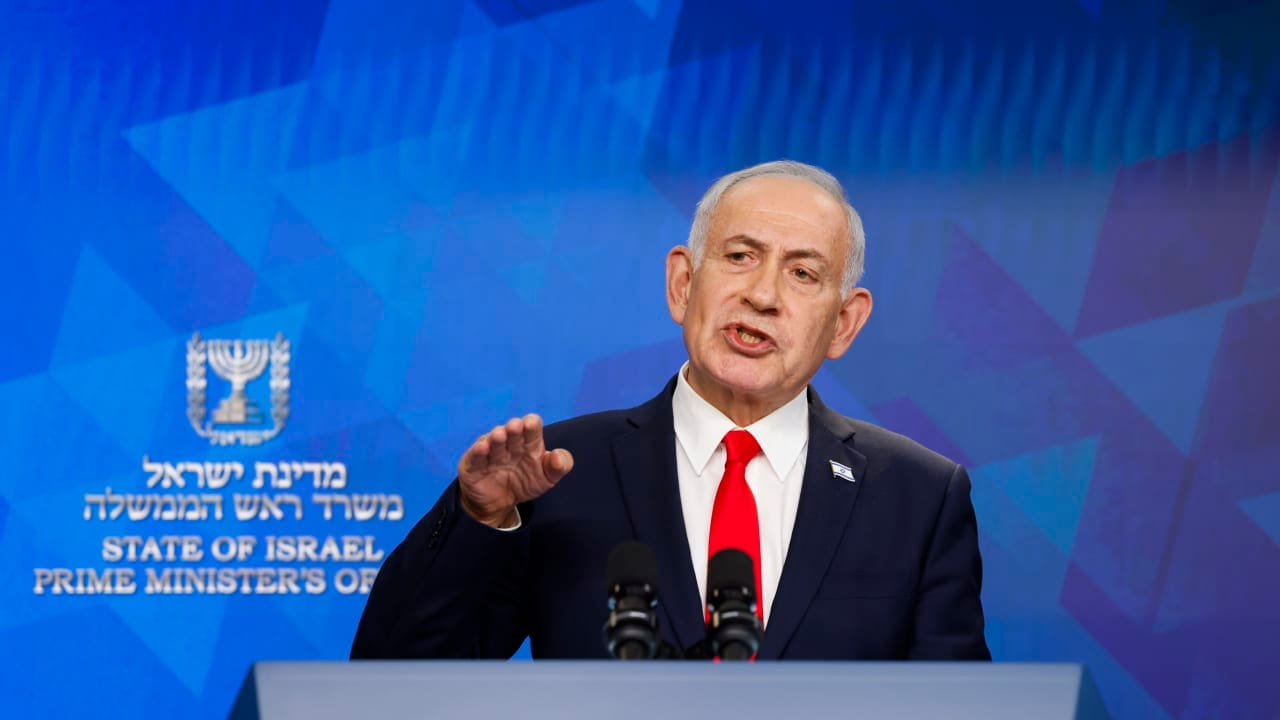
Prime Minister Benjamin Netanyahu accused prosecutors on Monday of repeatedly misleading him and “setting a trap” during his cross-examination, as his attorney Amit Hadad began the final stage of Netanyahu’s testimony in the long-running criminal trial.
The dispute, at the Tel Aviv District Court, centered on Case 2000 and on the limits of re-examination – the narrow stage in which the defense may clarify issues raised by the prosecution, rather than reopen the evidence wholesale.
Hadad sought to show Netanyahu fuller portions of testimony and other material concerning his contacts with Yediot Ahronot publisher Arnon “Noni” Mozes. He argued that prosecutors had presented selected excerpts in a way that gave the court a misleading picture.
“I am a trainee lawyer in this absurd process,” Netanyahu told the judges. “They present me with a false picture. They set a trap, and I fall into it.”
Netanyahu said prosecutors had caused him to give answers that could later be portrayed as inconsistent.
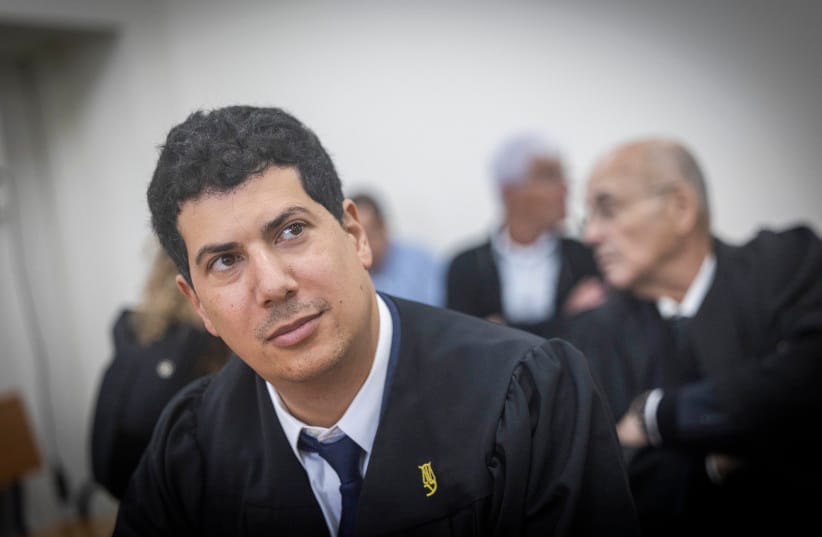 Attorney Amit Hadad arrives for a court hearing in the Fisher case at the Jerusalem District Court, January 13, 2026. (credit: CHAIM GOLDBERG/FLASH90)Hadad began his questioning as prosecution finished its cross-examination
“They mislead me here and make me give two answers in court,” he said. “Then they will say there are two versions, that perhaps I did not tell the truth.”
Monday marked the start of Hadad’s questioning after the prosecution completed its cross-examination of Netanyahu last week.
Case 2000, one of three cases in Netanyahu’s trial, centers on recorded conversations between Netanyahu and Mozes, publisher of Yediot Ahronot and Ynet.
According to the indictment, the two discussed possible steps that could restrict Israel Hayom, then Yediot’s principal competitor. In return, Mozes allegedly offered more favorable coverage of Netanyahu and harsher coverage of his political rivals.
Netanyahu is charged in the case with fraud and breach of trust, while Mozes is charged with offering a bribe. Both deny wrongdoing.
Hadad first sought to revisit whether Netanyahu had met with Mozes while serving as finance minister in 2003, and another alleged meeting in October of an unspecified year.
During the prosecution’s cross-examination, Netanyahu said he did not remember the meetings. Hadad argued that prosecutors had cited only part of Mozes’s police testimony, leaving out passages in which Mozes himself said he could not remember and was unsure whether the meeting had occurred.
Judge Oded Shaham said Netanyahu had already answered that he did not remember, while presiding judge Rivka Friedman-Feldman said the relevant material was already before the court and there was little to add if Netanyahu could not recall the events.
Prosecutor Alon Gildin said Mozes had described the meetings in his own questioning, and that the defense could present evidence later if it wished to argue that no such meeting occurred. He said there was no basis to revisit the matter in re-examination merely to refresh Netanyahu’s memory.
The argument later turned to testimony by Nir Hefetz, Netanyahu’s former spokesman and a state witness. Hadad said the prosecution had suggested that Hefetz described a “cease-fire” between Netanyahu and Mozes during the 2009 election campaign.
According to Hadad, the fuller testimony placed that period of relative calm after the election, between May and September 2009. Netanyahu said the prosecution had used such partial presentations throughout the case to construct an allegation that bore little resemblance to reality.
“They repeatedly distort the material and try to create a huge false picture,” Netanyahu said. “I fought the Israel Hayom law as a lone fighter against it, and they present it as though I made a deal with him.”
The “Israel Hayom law,” promoted by then-Labor MK Eitan Cabel, would have restricted the free newspaper’s distribution. Netanyahu has argued that he opposed the bill and ultimately dissolved the government rather than permit it to advance.
Hadad also sought to cite testimony from then-Knesset legal adviser Eyal Yinon, who said the prime minister and coalition did not have the ability to prevent a private member’s bill from reaching a preliminary reading. The judges noted that Netanyahu had made essentially that point in his own earlier testimony and instructed Hadad to move on.
Netanyahu also faces charges in Case 1000, involving alleged gifts from wealthy businessmen, and Case 4000, concerning alleged regulatory benefits for Bezeq in exchange for favorable coverage on Walla. He denies all charges.