
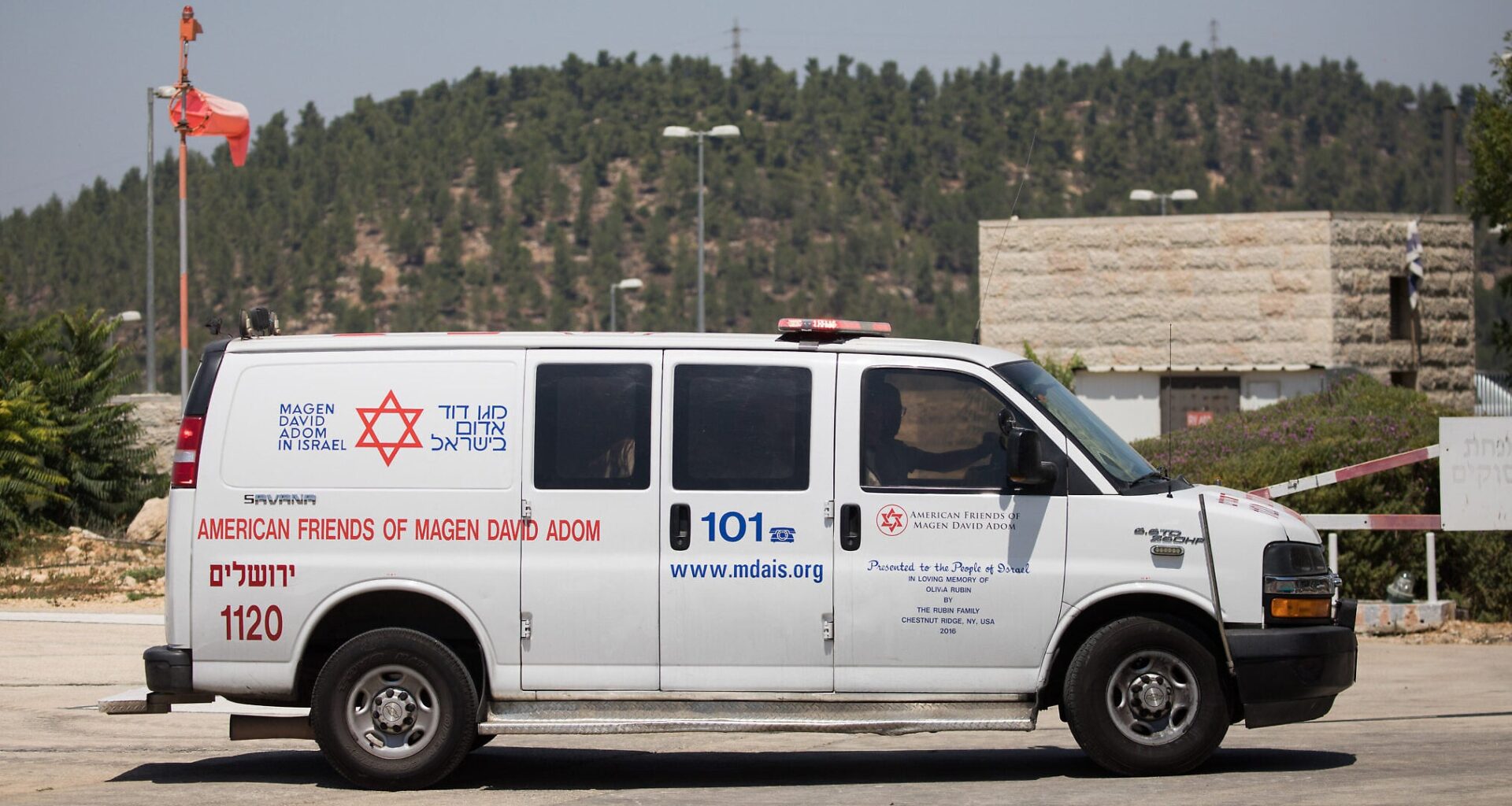
A man was shot dead Tuesday near the northern Arab Israeli town of Kabul in what the Israel Police said was a criminal incident, ruling out a terror attack.
Police said officers were searching for suspects.
According to Hebrew media reports, the man was 67 years old and was found along Route 70 close to the Kabul Junction.
Magen David Adom medics said that when they reached the man he was without vital signs and suffering from gunshot wounds. They declared him dead at the scene.
A burned-out car was found nearby, and investigators were checking if it was related to the homicide, according to reports.
Get The Times of Israel’s Daily Edition
by email and never miss our top stories
By signing up, you agree to the terms
According to figures from the Abraham Initiatives, which tracks violent crime in Arab society, 135 members of the Arab community have been killed in homicides since the start of the year. That compares with 120 people during the same period last year.
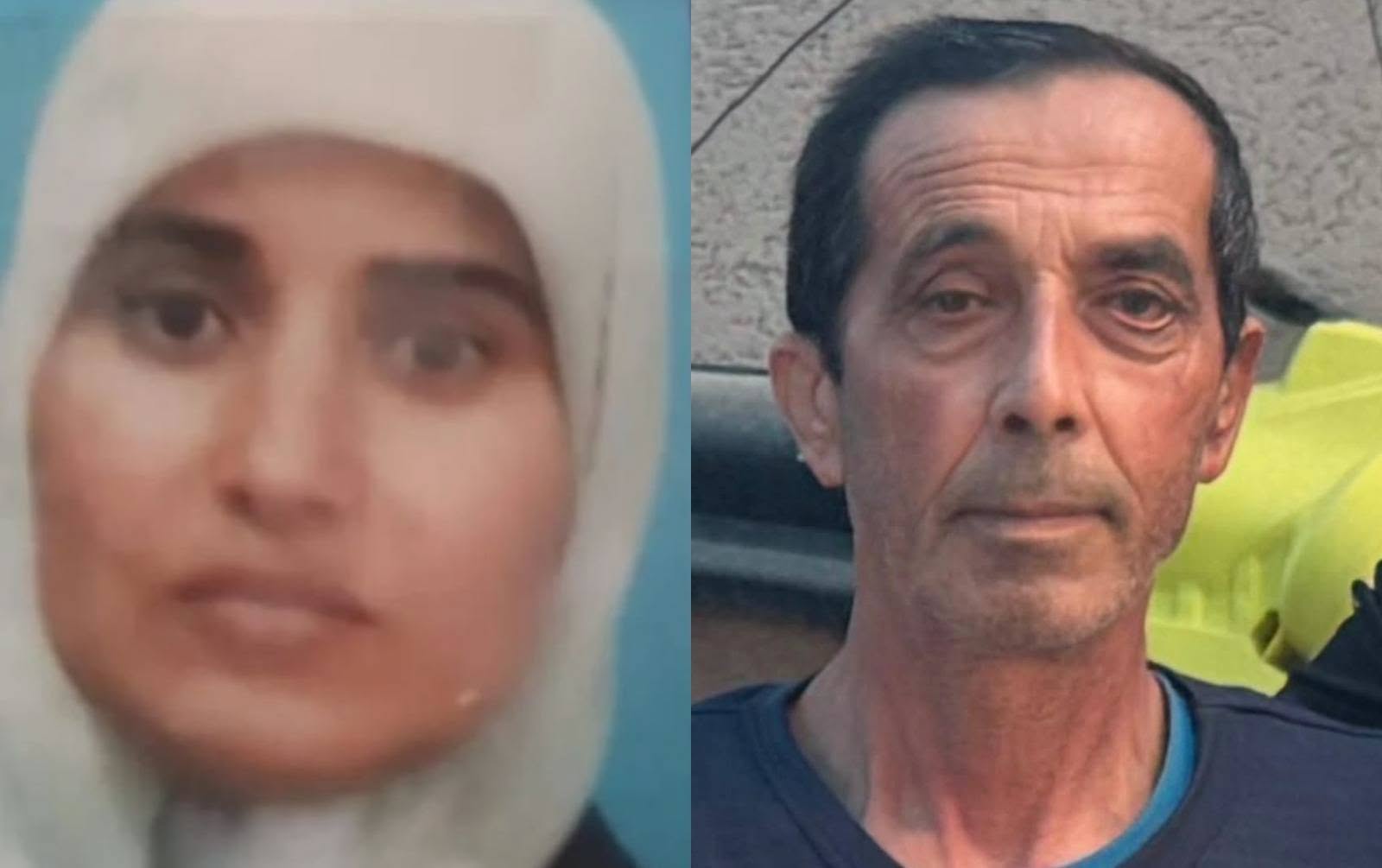
Khaled (right) and Hanan Jamal (left), husband and wife from Qalansawe who were shot and killed while driving in the central Arab city on June 18, 2026. (Facebook)
The shooting came after two men were fatally injured by gunfire in Buq’ata, a Druze town in the Golan Heights, on Friday.
A day earlier, a couple was shot and killed while driving in the central Israel Arab city of Qalansawe.
Last year marked the deadliest year for Arab society on record, with 252 Arab citizens killed, as a years-long crisis of violent crime beset the minority. At the current rate, 2026 will surpass that record.
Homicides in Arab society soared to 244 in 2023 — more than double the previous year — and have since stayed high.
The spike coincides with the term of National Security Minister Itamar Ben Gvir, who took office at the end of 2022 and is responsible for law enforcement. Critics have accused the far-right minister and police of neglecting the Arab community
We can’t do this work alone.

The war with Iran has been draining for all of us in Israel. But when I heard about a high casualty incident – ballistic missile impacts in Arad and Dimona that left nearly 200 people wounded – I drank a cup of coffee, packed a bag, and headed south.
There, I spoke with Shilgit, the head of an after-school program for underprivileged youth. Standing outside her destroyed center, Shilgit said it was a miracle that no children were hurt and spoke about the community coming together in the hours since.
As a Times of Israel reporter, I’m committed to telling stories of resilience like Shilgit’s. But my colleagues and I can’t do this alone. If you value work like this, please consider joining our reader support group, The Times of Israel Community. Your financial support is essential to keep real human reporting like this going.
— Stav Levaton, military reporter
Already a member? Sign in to stop seeing this
You’re a dedicated reader

That’s why we started the Times of Israel – to provide discerning readers like you with must-read coverage of Israel and the Jewish world.
So now we have a request. Unlike other news outlets, we haven’t put up a paywall. But as the journalism we do is costly, we invite readers for whom The Times of Israel has become important to help support our work by joining The Times of Israel Community.
For as little as $6 a month you can help support our quality journalism while enjoying The Times of Israel AD-FREE, as well as accessing exclusive content available only to Times of Israel Community members.
Thank you,
David Horovitz, Founding Editor of The Times of Israel