
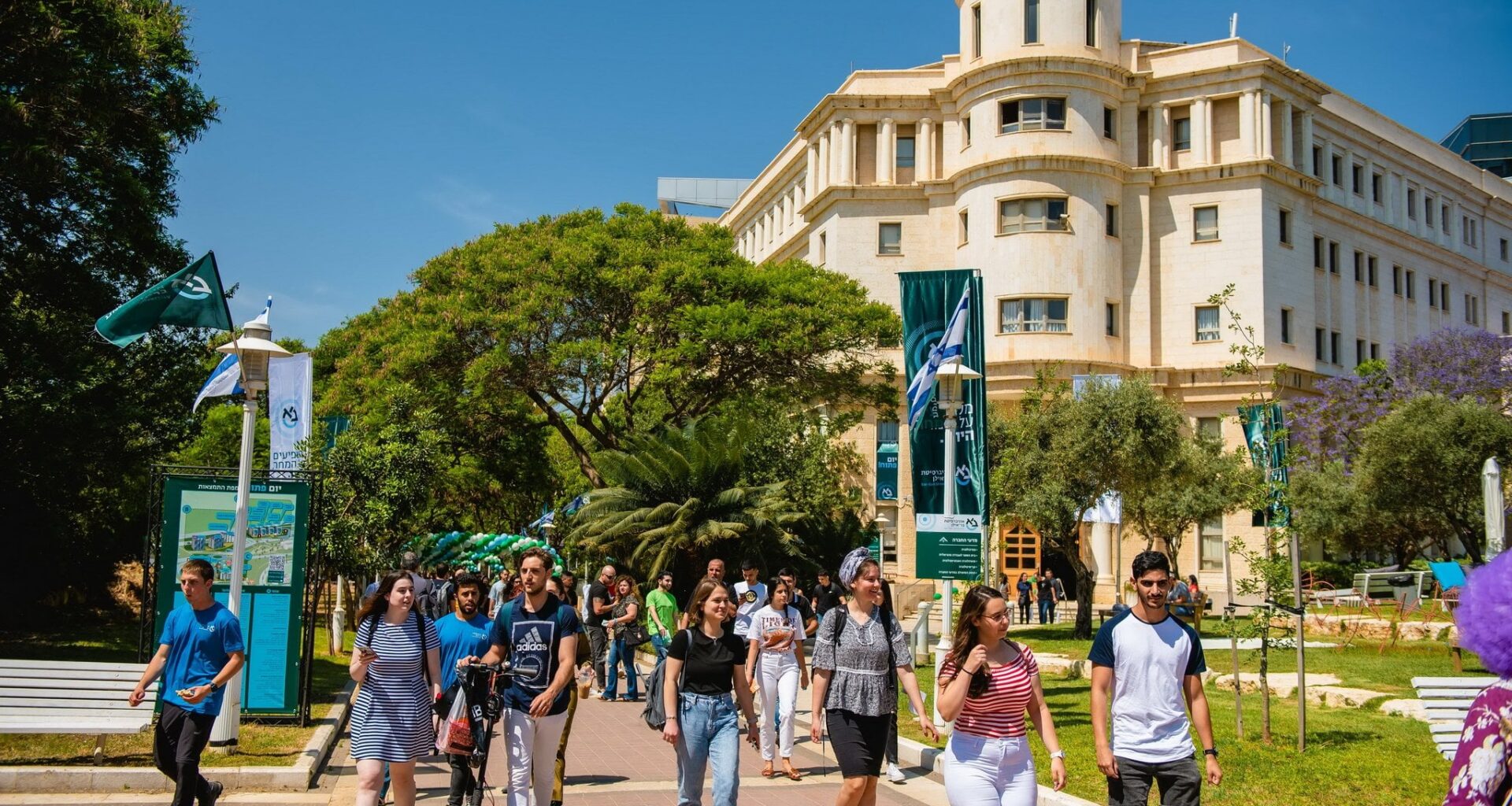
Against the backdrop of prolonged conflict, Israel is navigating a defining moment—one that is reshaping not only its security landscape, but the future of its people and institutions. As Americans looking toward Israel’s future, we have an opportunity to invest in the very institutions that help societies grow, adapt, and thrive. Institutions that are not only thinking about current need- but those thoughtful enough to think about Israel’s long-term needs and plan.
Few institutions play that role more effectively than Israel’s universities. At a time when immediate needs understandably command attention, higher education remains one of the most important long-term investments a society can make. Universities prepare future leaders, drive innovation, strengthen economic competitiveness, and generate the ideas that shape the future.
That is why an investment in Israeli academia is, fundamentally, an investment in Israel.
Recently, an observation was shared with me when I visited the campus of Bar-Ilan University. In today’s global economy, Israel (much like the United States) is not necessarily a low-cost labor market. And yet, multinational companies such as Nvidia, Intel, Google, Microsoft, and countless others continue to build major research and development centers in Israel—even during periods of instability and conflict, like the present. They do not do this because talent in Israel comes cheap. Rather, they set up operations in Israel precisely because of the exceptional talent and the culture of innovation that are born in Israeli university classrooms.
The universities of the “start-up nation” produce the highly skilled members of a workforce that fuel innovation and attract global investment. They are the pipeline that enable companies to develop groundbreaking technologies, create jobs, strengthen local communities, and contribute to Israel’s economic resilience.
That reality should not be taken for granted. As Israel faces ongoing security challenges and economic pressures, continued investment in higher education becomes even more important. Supporting Israeli universities means ensuring that talented students can pursue their education despite disruption. It means strengthening research that drives innovation. It means developing the workforce that will keep Israel competitive in a rapidly changing global economy.
At the same time, Israeli universities continue to advance breakthroughs in fields ranging from artificial intelligence and cybersecurity to medicine, sustainability, and trauma recovery. Their contributions improve lives far beyond Israel’s borders, reinforcing the country’s role as a global center of innovation.
The students studying on Israeli campuses today will become the leaders responsible for strengthening democratic institutions, advancing scientific discovery, and growing Israel’s economy tomorrow. Supporting these institutions now means investing in the people who will carry that future forward.
History has repeatedly shown that Israel’s greatest achievements emerge from periods of adversity. The nation’s universities have long been central to that story. They transform challenge into opportunity, uncertainty into innovation, and disruption into growth.
For American philanthropists, community leaders, and anyone who believes in the power of education, this moment presents an opportunity to invest in the institutions that will help shape what comes next.
Scholarships for Israeli students can ensure that students whose lives have been disrupted by war can continue their education. Research funding can accelerate innovation. Academic partnerships can strengthen bonds between Israel and the global community. Most importantly, these investments help ensure that Israel remains a country capable of attracting talent, creating opportunity, and building a stronger future.
Investing in Israeli higher education is not only an act of solidarity. It is an investment in Israel itself, and in the start-up nation’s impactful advancements for the benefit of all humanity.
Jessica Feldan is the Chief Executive Officer of the American Friends of Bar-Ilan University. She previously served as the Chief Development Officer at the Birthright Israel Foundation and Associate Vice President of the American Technion Society.