
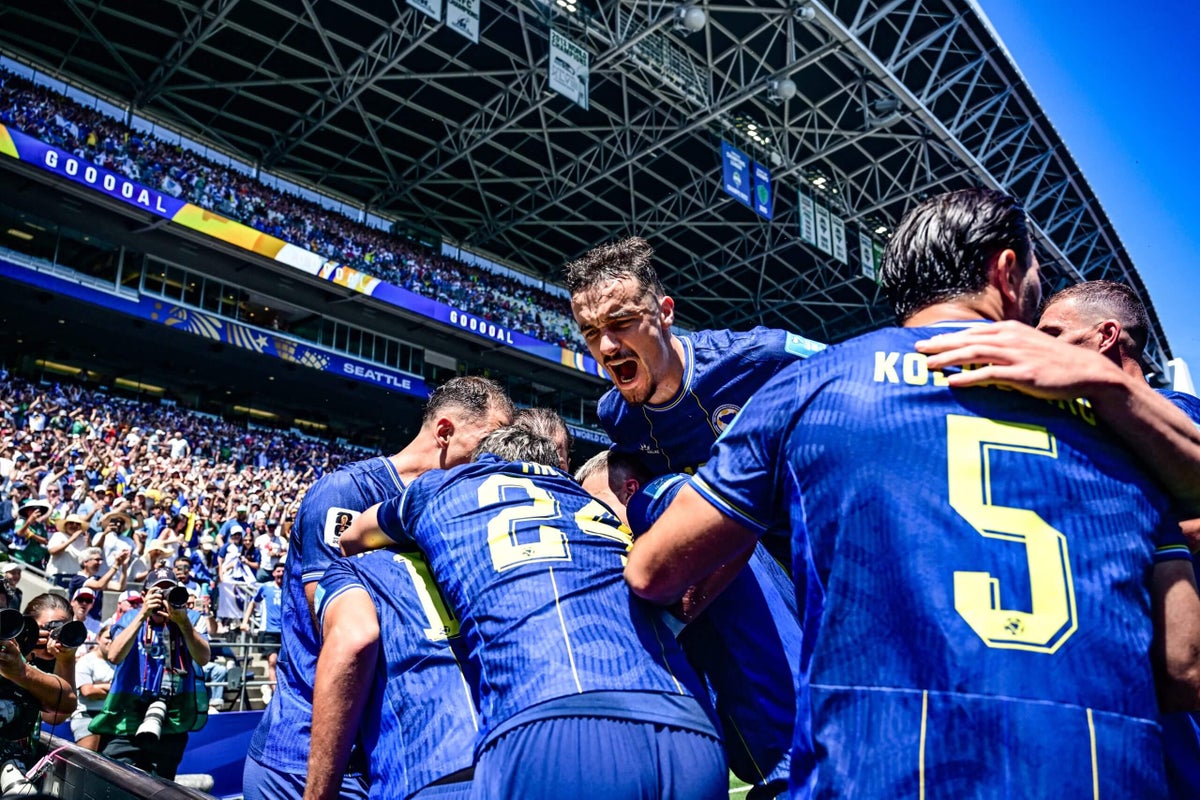
Bosnia and Herzegovina is almost certain to face the United States in the last 32 of the World Cup after beating Qatar 3-1 in Seattle on Wednesday.
Bosnia drew its opening game with Canada 1-1 before responding to losing heavily to Switzerland in round two by beating Qatar and almost certainly claiming a best third-place spot. The Athletic’s projection model gives them a greater than 99 per cent chance of finishing as one of the eight-best third-placed sides and facing the U.S. in San Francisco on Wednesday, July 1.
Bosnia also had to defy the odds to qualify for the World Cup, with comebacks from losing positions, hanging on and outwitting their opponents.
As a former professional poker player, head coach Sergej Barbarez understands the significance of strategic discipline and emotional strength. Setbacks are normal, responses are critical. Bosnia trailed in their play-off semi-final in Wales, equalised late, navigated extra time, and won on penalties. It trailed again against four-time world champions Italy in the play-off final, equalised late, navigated extra time, and won on penalties.
This resilience, in part, reflects Bosnia’s national identity. It is just three decades since the Bosnian War — an ethnically-rooted conflict between Bosniaks, ethnic Serbs and ethnic Croats, which lasted from 1992 to 1995, with an estimated 100,000 deaths (per the U.S. Holocaust Memorial Museum) — and its national team did not exist when the U.S. last hosted the World Cup, in 1994.
Bosnia has had to fight, literally and diplomatically, to be recognised internationally. World Cup participation is a powerful platform.
This is what you need to know about the USMNT’s likely next opponent.
Who are Bosnia’s star players?
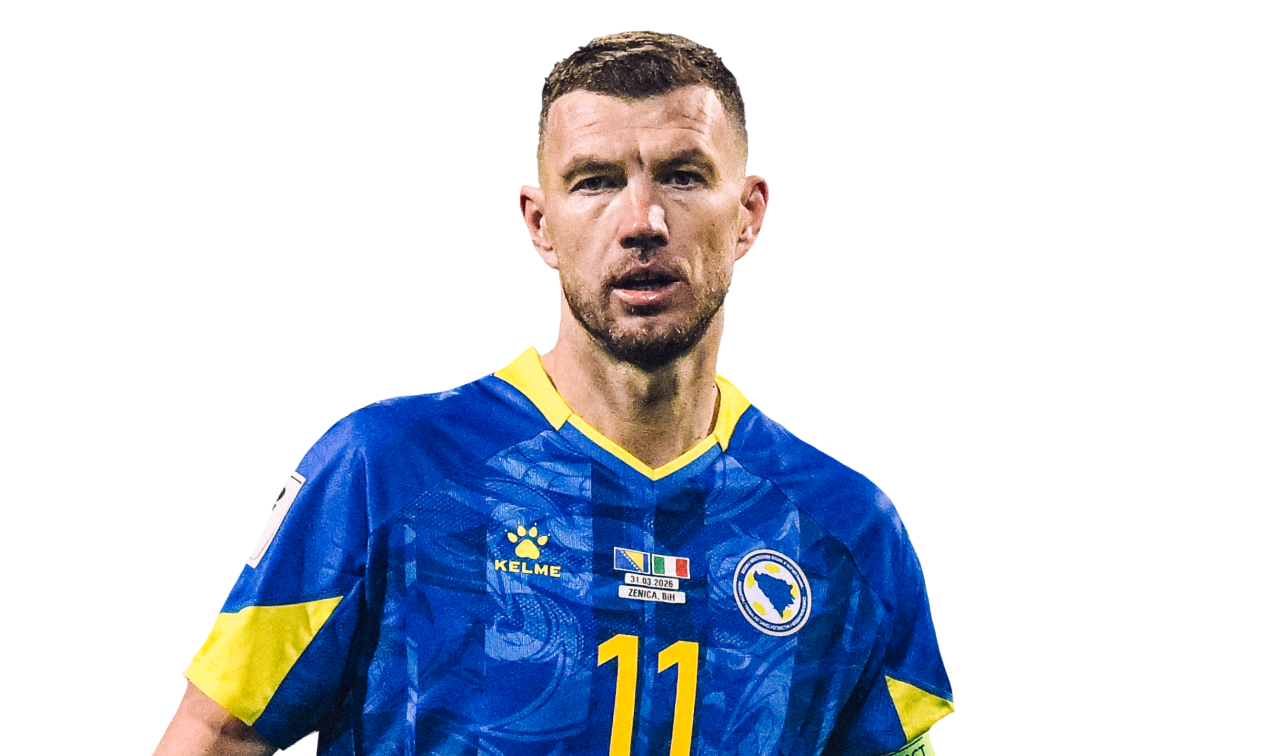
When Edin Dzeko, the Bosnia talisman and captain, was aged eight, his local football pitch in Sarajevo, Bosnia’s capital, was struck by a missile attack which killed several children. Dzeko, who later turned down citizenship approaches from Czech Republic and Germany, lived through a war which brought independence.
Formerly of Premier League club Manchester City and Italian side Roma, the striker — who now plays for Schalke in Germany — is Bosnia’s key player and has scored an international goal in 20 successive years. Arguably, no World Cup player is as symbolic to their nation as the 40-year-old is for Bosnia.
Dzeko’s teammates have been influenced in other ways by the traumas of the 1990s conflict, which led to mass emigration and a significant diaspora, numbering in the millions.
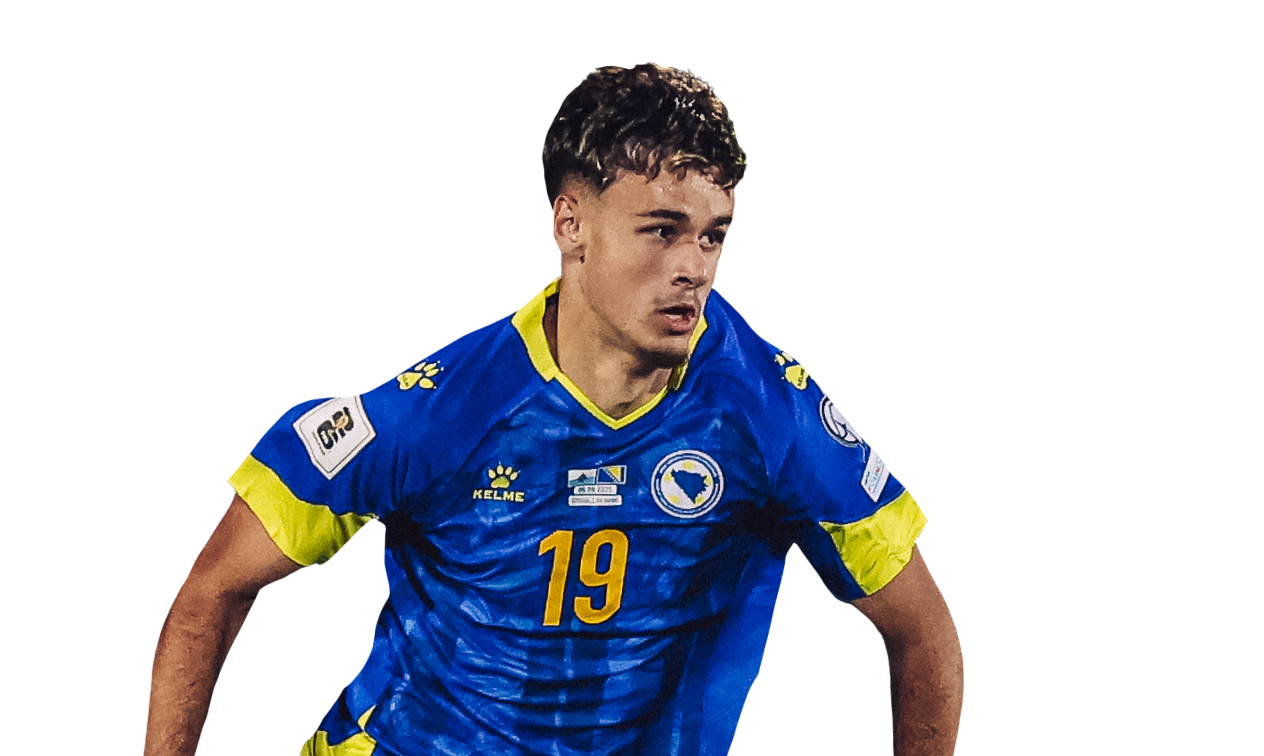
PSV Eindhoven’s Esmir Bajraktarevic was born in Appleton, Wisconsin, and played for the USMNT against Slovenia in a January 2024 friendly before declaring for Bosnia later that year. Bajraktarevic’s parents are from Srebrenica, Bosnia, but fled after losing many relatives in the war. They were refugees in Switzerland before emigrating to the United States in 2001.
‘I am from Bosnia, take me to America’
Bosnia’s unofficial fan anthem for this tournament I am from Bosnia, take me to America is a rewriting of the Bosnian band Dubioza Kolektiv’s ‘USA’ song. It was originally framed on the American Dream and disillusionment with life at home, only for the protagonist to recognise the challenges of living as an immigrant abroad. The catchy, high-tempo tune has now been commandeered by Bosnia’s football fans as a joyous chant to celebrate its football heroes.
“It evolved from this satirical take on immigration and the American Dream and it was translated into an American football dream for the entire nation,” the band’s bassist Vedran Mujagic told the Associated Press.
How do Bosnia play?
Winger Bajraktarevic is one of the 17 players in Bosnia’s 26-man squad who were born abroad. The 21-year-old and fellow forward Kerim Alajbegovic — the 18-year-old who will join Bayer Leverkusen this summer — represent Bosnia’s future, but Barbarez has opted so far to rotate the two, with Amar Memic selected for greater tactical discipline. These players are key for Bosnia’s 4-4-2 formation, providing width, verticality and directness.
The Language of Soccer – Bosnia and Herzegovina
Bosnia’s setup represents a stylistic clash with the USMNT’s preferred 3-5-2, meaning Mauricio Pochettino’s side will have an extra central midfielder and likely enjoy more possession. Bosnia’s wingers will increase the responsibility on Pochettino’s wing-backs Sergiño Dest and Antonee Robinson, whose defensive capabilities will be tested. Wary of Bosnia’s attacking threat, this may curtail their own offensive output and condition a more conservative approach compared to the U.S.’s group games.
What kind of game can the U.S. expect?
There is little doubt Bosnia’s technical quality is lower than that of the U.S. and they do not possess the strength in depth of their opponents. Dzeko is unlikely to feature for more than an hour and none of his teammates have more than four international goals.
Before the 3-1 win against Qatar, Bosnia had failed to score more than once in any of their last seven matches and a lack of attacking threat is an issue, but they are dangerous from set pieces: evidenced by Jovo Lukic’s goal against Canada and Ermin Mahmic’s consolation against Switzerland.
The 4-1 defeat by Switzerland, which was scoreless until the 74th minute, was the only occasion in which Bosnia have lost in their last 11 games. Bosnia are not the strongest team remaining in the tournament, but they are among the most resilient. They have shown they can dig in, go the distance and, ominously for the U.S., are excellent at penalties. Pochettino’s side has been warned by Wales and Italy that this is an opponent who do not give up.