

Hello and happy Saturday. You did not have to look too hard if you needed a laugh this week, as social media ran rampant with memes mocking the bungled renovation of the Lincoln Memorial Reflecting Pool. My favorites were Cousin Eddie, of Christmas Vacation fame, emptying the contents of his chemical toilet into the pool, and a declaration that the Pantone Color of the Year was (a very green) “American Flag Blue.”
But for all the jokes, the whole fiasco is sobering in that it encapsulates so many problems with the Trump administration: the dishonesty (blaming the problems entirely on vandals), the vanity (Trump rushing to leave his imprint on the capital), the incompetence (pushing through no-bid contracts to beat a deadline only to create more problems). Kevin D. Williamson chalks it up to the president’s character, or lack thereof, writing, “To assume that the reflecting pool work would be done incompetently and corruptly is far from absurd. If you happen to be among those who believe that character is destiny, then it is, at the very least, a reasonable assumption even if it is something short of an existential certainty.”
And in Boiling Frogs, Nick Catoggio finds another parallel: Trump’s handling of the Iran war. “The reflecting-pool idiocy is the perfect metaphor for his presidency in 2026, coinciding as it does with our national humiliation in Iran. Postliberalism promises effective problem-solving through energetic authoritarianism, but as things stand, not only can’t the authoritarian in chief forcibly open the Strait of Hormuz, he can’t even successfully clean a public pool in D.C. The zeitgeist has flipped.”
Speaking of Iran, this week we had a few pieces that showed how the fallout from the Iran war is affecting others in the Middle East and potentially reshaping the region’s geopolitics.
Lazar Berman wrote about Israelis’ displeasure with the memorandum of understanding, which he says boosts Iran’s support for Hezbollah and suggests this is “the end of Israel’s Donald Trump love affair.” He writes:
The very substantive problems with the Iran deal Trump is pursuing were made even harder to swallow by what seemed in Israeli eyes gratuitous insults of the country that had just fought so effectively alongside the U.S. military. At the G7 summit, Trump called Israel “the very small partner” in the relationship. Vice President J.D. Vance was even cruder, making the absurd argument that Trump is the only world leader who supports Israel and casting Israel as incapable of defending itself without U.S. largesse.
Meanwhile, Shay Khatiri reflected on what the end of the war means for the Iranian people. The war, of course, followed Donald Trump’s promise that “help is on the way” back in January as the Iranian people were taking to the streets to protest the regime. Months later, the military campaign has ended and the regime is still in charge. Khatiri noted that executions and arrests were rampant during the fighting and that soldiers at military checkpoints throughout Iran would seize people’s phones looking for anti-regime content. He writes:
Iranians are coming off a massacre and the bombardment of their cities, yet their grievances are shockingly mundane. The price of fruit, a lack of internet connectivity, and empty gyms are odd things to take issue with for a nation that has been under siege by foreign militaries and its own tyrants. It was a very different tone than after the 12-Day War, when people celebrated the humiliation of the regime, or ahead of the latest war, when a mourning people were nonetheless hopeful that they would soon fight their last battle. But today, the people I spoke to are bystanders without a say in their own destiny, at best hopeless, and at worst nihilistic.
$store.iterable.gotIterableUser);
}
try {
const params = new URLSearchParams({ post_id: String(postId) });
if ($store.user.valid) {
params.set(‘hydrated’, ‘1’);
($store.iterable.subscribedMessageTypeIds || []).forEach((id) => params.append(‘subs[]’, String(id)));
($store.iterable.digestAuthorIds || []).forEach((id) => params.append(‘authors[]’, String(id)));
[…($store.iterable.digestTopicIds || []), …($store.iterable.digestProductIds || [])]
.forEach((id) => params.append(‘topics[]’, String(id)));
}
const res = await fetch(restUrl + ‘?’ + params.toString(), { credentials: ‘same-origin’ });
const data = await res.json();
state = data.state || ‘hide’;
if (data.brand_slug) {
brand_slug = data.brand_slug;
brand_term_id = data.brand_term_id;
brand_name = data.brand_name || brand_name;
brand_description = data.brand_description || ”;
color_primary = data.color_primary || color_primary;
color_tertiary = data.color_tertiary || color_tertiary;
author_avatar_url = data.author_avatar_url || ”;
message_type_id = data.message_type_id || 0;
}
// Iterable’s read-after-write is eventually consistent — if
// the fresh fetch missed the just-subscribed MT, push it now
// and rewrite the prefs cache so the menu / header / future
// page loads reflect the correct state.
if (
$store.user.valid &&
message_type_id &&
$store.user.justSubscribed &&
!$store.iterable.subscribedMessageTypeIds.includes(message_type_id)
) {
$store.iterable.subscribedMessageTypeIds.push(message_type_id);
$store.iterable.unsubscribedMessageTypeIds =
$store.iterable.unsubscribedMessageTypeIds.filter((id) => id !== message_type_id);
$store.iterable.updateIterablePrefsCache?.();
}
} catch (e) {
console.error(‘[cross-promo] recommend fetch failed:’, e);
state=”hide”;
}
hydrated = true;
if (state === ‘anon’ && !$store.signUp.email) {
const urlParams = new URLSearchParams(window.location.search);
if (urlParams.get(’email’)) $store.signUp.email = urlParams.get(’email’);
}
})();
”
x-effect=”
// IIFE: Alpine wraps x-effect as `return (…)`, so a bare `if` errors.
(() => {
if (pendingSubscribe && !$store.signUp.isSubmitting && $store.user.valid) {
pendingSubscribe = false;
state=”subscribe”;
}
})();
“>
You might also like
Loading
Sign in
And then there’s the broader Middle East. John Aziz broke down the varied responses to the ceasefire from Iran’s neighbors—a stronger Iran threatens Saudi Arabia’s and the UAE’s efforts to increase tourism and bring in new businesses, and Jordan has concerns about Iran and its proxies operating in neighboring nations. The deal might make the Qatari government happy, as it shows off its diplomatic credibility and “preserves its role as a mediator.” But Aziz predicts an uncertain future for the region: “The Trump administration wants to call this realism and de-escalation. But more realistically, what the Islamic Republic is getting is more time to prepare for the next round of regional destabilization. And time is what the Islamic Republic needs most.”
On that note, thank you for reading. Have a great weekend, and remember it’s time to get out your red-white-and-blue bunting and Uncle Sam top hats, and to cue up your favorite patriotic movies. We’re giving special attention to Independence Day and our big 250th birthday celebration next week—stay tuned.
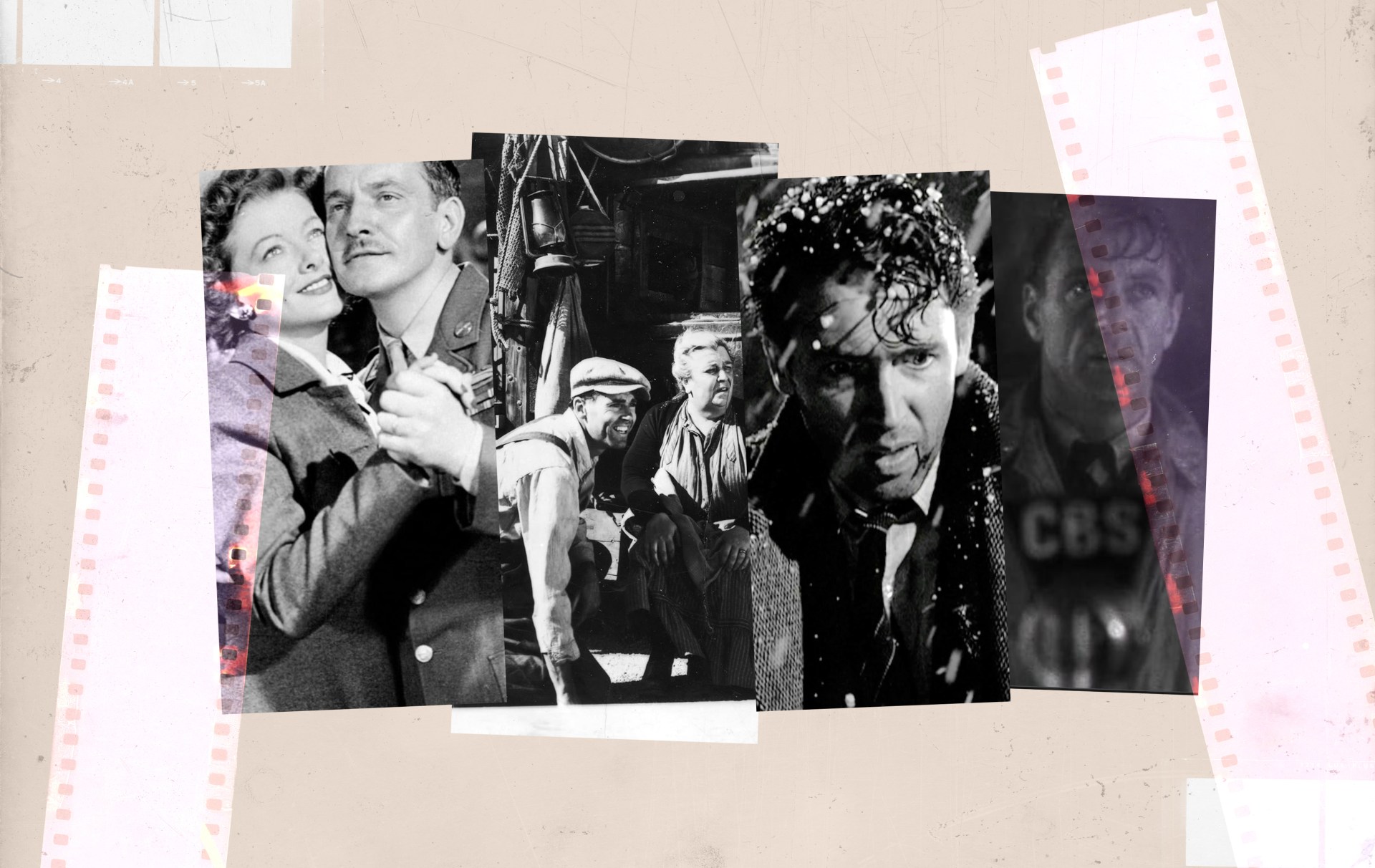
Starting during the silent era, movies emerged as the most powerful medium the world had ever known. And the movies continued to flex their power to influence for decades, long after TV invaded our homes. As America comes to her 250th birthday, it’s unclear whether the idea of movies—at least as we’ve known them for 100 years—survives. But what’s certain is this: The films we’ve already made, particularly those from Hollywood’s Golden Age, continue to inform us. Let’s simplify the parameters here. Think of Hollywood’s Golden Age as the era from 1930, when the full takeover of sound technology in movies made silent films essentially obsolete, to 1959, when the collapse of the studio system became inevitable. To call this a critical three-decade era in our collective history is a vast understatement. It encompasses the Depression and World War II; the postwar reentry into civilian life of more than a million men who’d seen combat; the creation of the economic engine that transformed American life in the back half of the 20th century; the start of the Cold War; the seismic shift into Dwight Eisenhower’s America and the expanse of a suburban society; and of course, the dawn and rapid ubiquity of television. And it’s fair to say that most Americans, certainly tens of millions, came to frame what all this meant to us by what they saw in the movies.
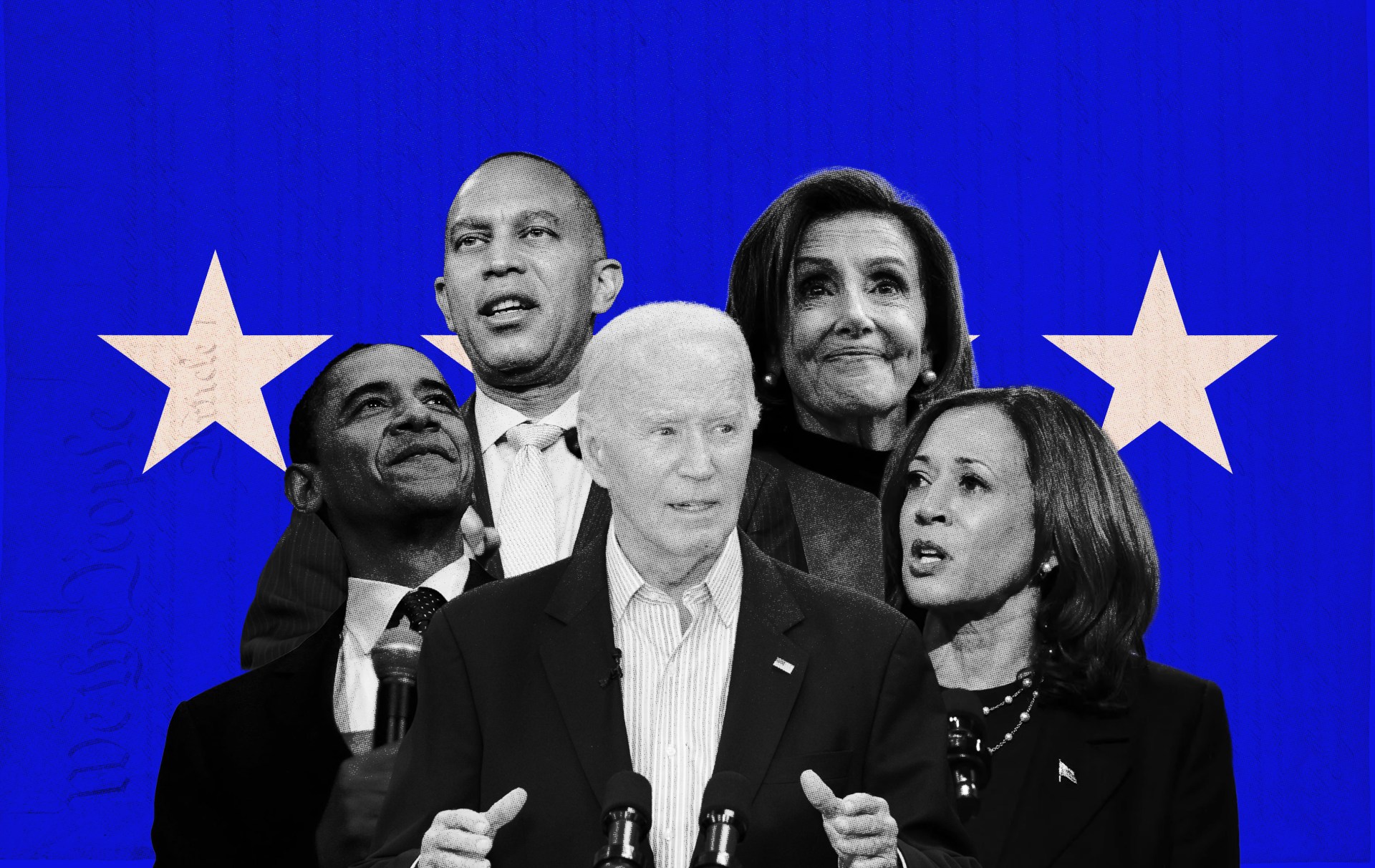
Biden-era Democrats did not prioritize fortifying our democratic institutions. Perhaps, with their man in office, they no longer saw the wisdom of restraining the presidency. Perhaps, with Trump disgraced, they thought the dangers to democracy had passed. Whether from hypocrisy or hubris, they missed a potentially fertile moment for meaningful bipartisan reform. The decision to forgo bipartisanship and instead to seek praise from progressives had the further effect of breeding deep cynicism. Rather than a return to normalcy, the Biden years saw aggressive pushes left on social and economic policy, from both ends of Pennsylvania Avenue. Democrats’ pleas for checks and balances are hard to take too seriously when that’s how they responded to an adverse decision from the one branch of government outside of their control.

Charlie Kirk’s assassination last September set the internet ablaze with conspiracy theories. All available evidence pointed to the alleged shooter being Tyler Robinson, a then-22-year-old man from Utah who purportedly leaned left politically. But many online observers, including some major right-wing influencers, came to the conclusion that it was instead Israel and “the Jews” who were to blame for the activist’s death. Mainstream media outlets condemned and debunked these antisemitic conspiracy theories. They were, however, joined by seemingly unexpected company: Nick Fuentes. Fuentes claimed prominent influencers like Candace Owens and Ian Carroll were wrong to promote falsehoods about Kirk’s death and were even engaging in “low-IQ antisemitism” by doing so. In the months since, Fuentes has become increasingly critical of his own far-right political faction for being intellectually unserious. … White nationalism, according to one of its paragons, is getting dumber.