
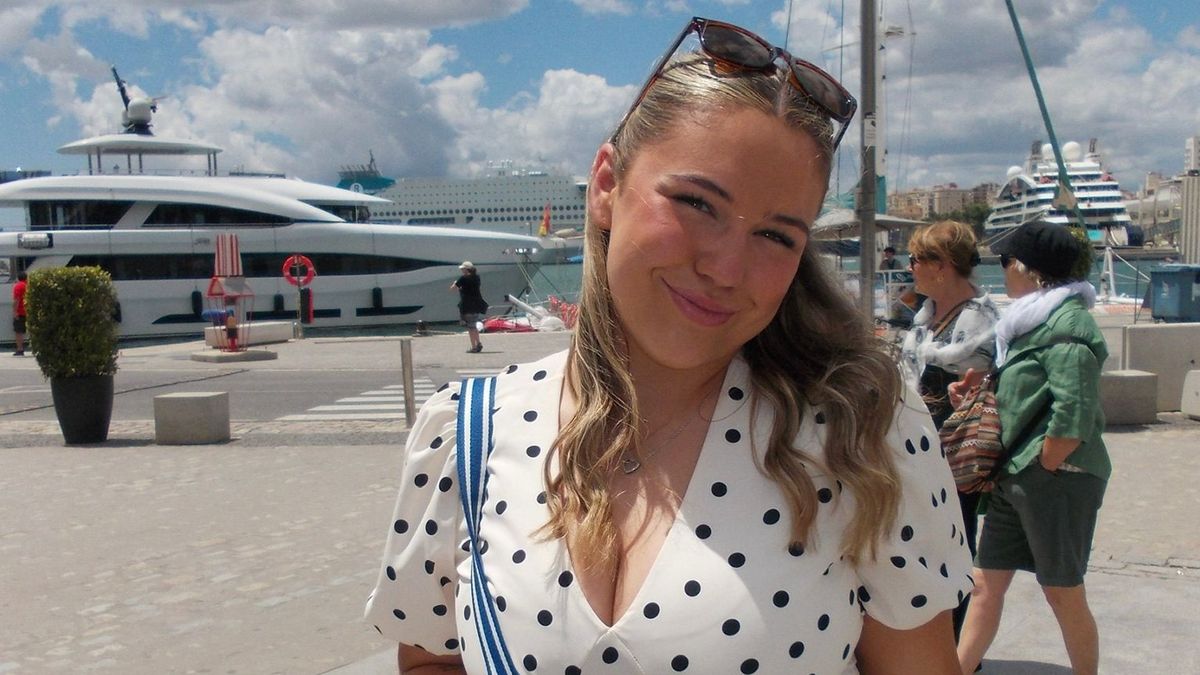
Tayla Freeman was on her way to fly to Malaga where she experienced difficulties at the Liverpool John Lennon Airport security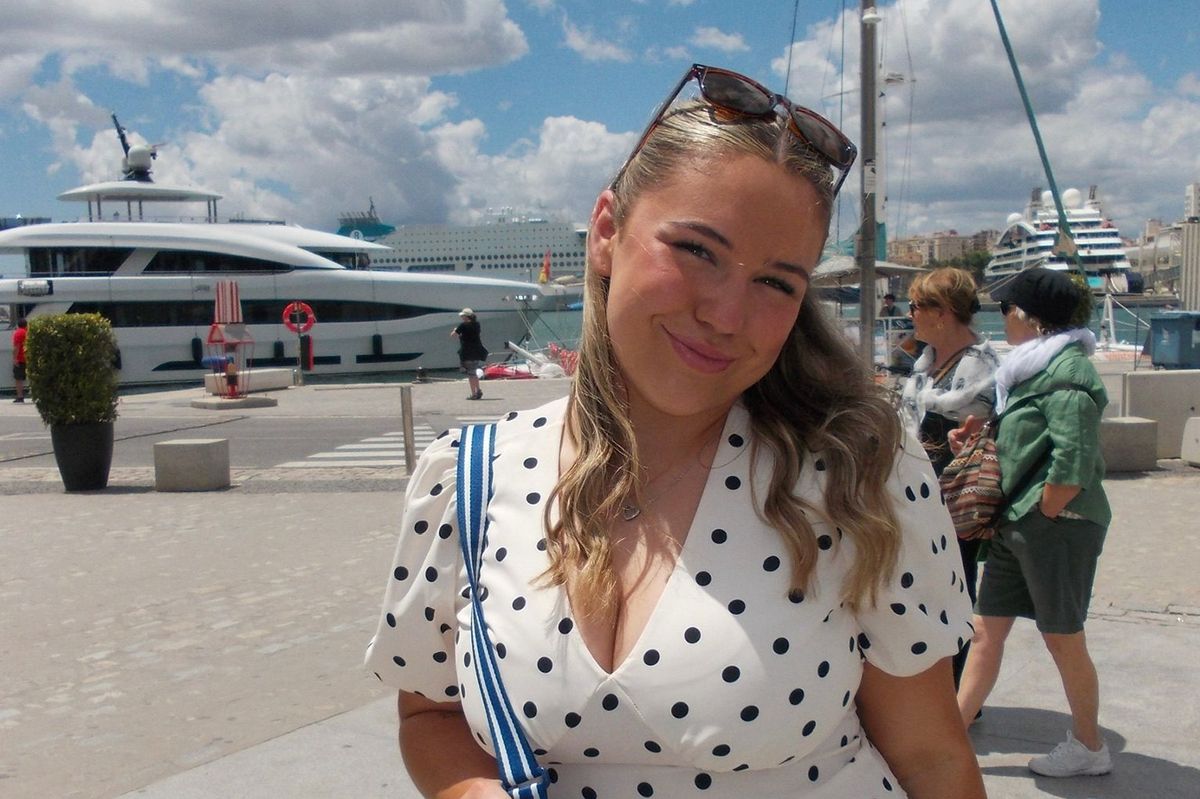
Tayla Freeman, 23, wants to raise awareness about hidden disabilities(Image: Tayla Freeman)
A woman said she felt “humiliated” after being challenged while trying to use an airport accessibility lane despite carrying proof of her disability. Tayla Freeman, 23, from St Helens, was travelling to Malaga with her mum from Liverpool John Lennon Airport on May 11, when she claims staff stopped her from using the reduced mobility lane at security.
Two years ago, Tayla was forced to give up work and put her studies on hold after a mystery illness left her bedbound. She was finally diagnosed with a number of chronic conditions earlier this year, including Ehlers-Danlos syndrome (EDS), postural orthostatic tachycardia syndrome (PoTS), mast cell activation syndrome (MCAS), seizures and AuDHD.
After months of building up the confidence to travel again, Tayla said she had carefully arranged assistance before her holiday to help manage her conditions. She had pre-booked assistance with her airline, was wearing a Hidden Disabilities Sunflower lanyard and had both an access card and medical documentation on her phone.
She told the ECHO: “I used to travel normally before I got ill. I plucked up the courage for months because I became very unwell after my last trip away. Things become very daunting when you’re unwell, and the only thing that made travel accessible was pre-booked assistance and also going through the access lane.
“When we got to the airport, we headed through to security and went to the reduced mobility lane, as I always do.”
However, Tayla claims she was met with resistance when she approached a member of staff at the accessibility lane, which is for passengers with both visible and non-visible disabilities.
She said: “It was the most abrupt interaction I’ve ever had in my life. She told me, ‘we don’t recognise that lanyard anymore.’ She didn’t look at my phone or my access card. She said the lane was only for people who use wheelchairs and mobility aids because most people fake it.
“I was taken aback. It’s daunting anyway, having to ask for help. The main queue was really busy and everyone was staring at me, which made it even more humiliating. I had people coming up to me asking if I was okay.”
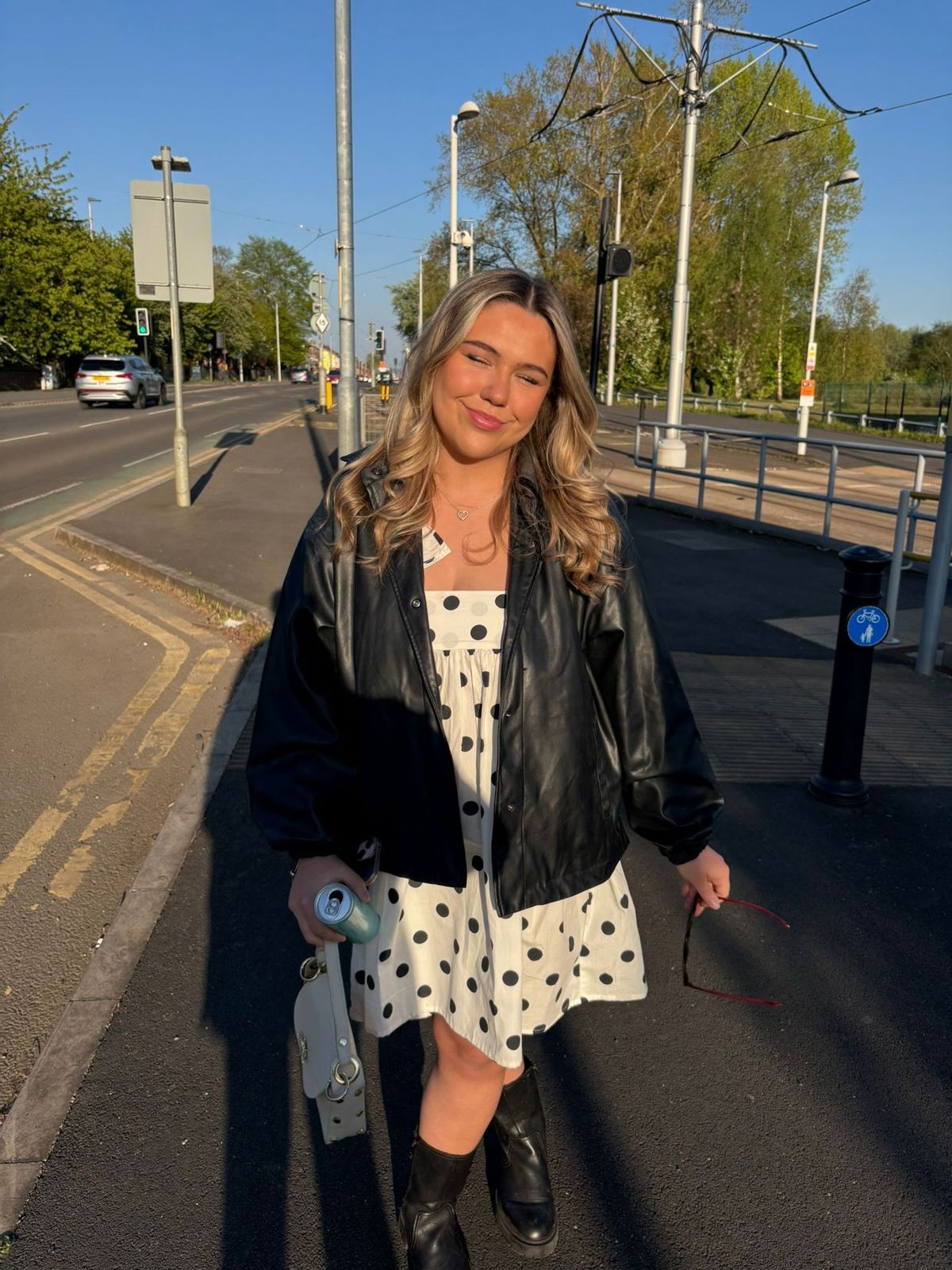
(Image: Tayla Freeman)
Tayla said her mum then approached a second member of staff but claims the situation worsened.
“They told me the lane was only for people with reduced mobility and because I didn’t have a wheelchair or an aide, I couldn’t get through. We got back in the normal queue, which was really long. I started to struggle and I could feel my legs getting weaker.”
She alleges the first member of staff later returned and suggested she could pay for fast-track access.
“That was even more insulting,” Tayla said. “I wasn’t trying to just skip the queue, I was doing it for my accessibility needs.”
Tayla said staff eventually examined her documentation and allowed her through the lane.
Following the incident, she submitted a formal complaint to the airport. In an email seen by the ECHO, she was told: “Please accept my apologies if either officers were rude or unprofessional at any time.”
Tayla said: “Just because I’m not in a wheelchair doesn’t mean I’m not disabled. Often people have in their heads what a disability looks like and if you don’t fit that criteria, you’re very quickly dismissed.”
EDS affects connective tissue throughout the body and can cause chronic pain, joint instability, fatigue and mobility problems. Tayla says her symptoms fluctuate dramatically, meaning she can appear well on some days while being unable to leave bed on others.
Tayla said: “I can be bedbound, unable to walk, and other days I’m up and about, but there’s a lot going on beneath the surface that isn’t visible to anyone else.
“It makes me feel horrendous; like I’m dead but still living. It’s intense fatigue. Every day I wake up and I feel like I’ve had no sleep.
“That’s why things like airport accessibility are so important. It’s not just the physical side. An airport is very visually overstimulating and because I’m struggling to see, I need to get through as fast as possible to preserve my energy.”
After sharing her experience online through The Healing Hive – a Liverpool-based support community she co-founded in 2025 for people living with chronic illnesses, disabilities and neurodivergence – Tayla said numerous people contacted her describing similar experiences involving hidden disabilities and airport assistance.
She added: “That’s how I know my story is bigger than one incident. My goal isn’t to criticise for the sake of criticism. I want to see meaningful change, better training and improved experiences for disabled passengers with invisible disabilities.
“Nobody should be made to feel they have to prove they are ‘disabled enough’ in order to access support they genuinely need.”
A spokesperson for Liverpool John Lennon Airport (LJLA) said: “We’d like to again apologise to Tayla for any upset caused following her recent experience at Liverpool John Lennon Airport.
“The airport is committed to providing an inclusive and supportive experience for all passengers.
“We have improved accessibility awareness and support across the airport including the creation of a dedicated sensory room, a sensory search space and assisted travel areas.
“We use the feedback from our Accessibility Forums to improve our processes, staff awareness and the facilities available to passengers with both visible and non-visible disabilities.
“Our dedicated accessibility lane supports passengers with both visible and non-visible disabilities, including those wearing recognised accessibility lanyards or those who otherwise require additional support during their airport journey.”