
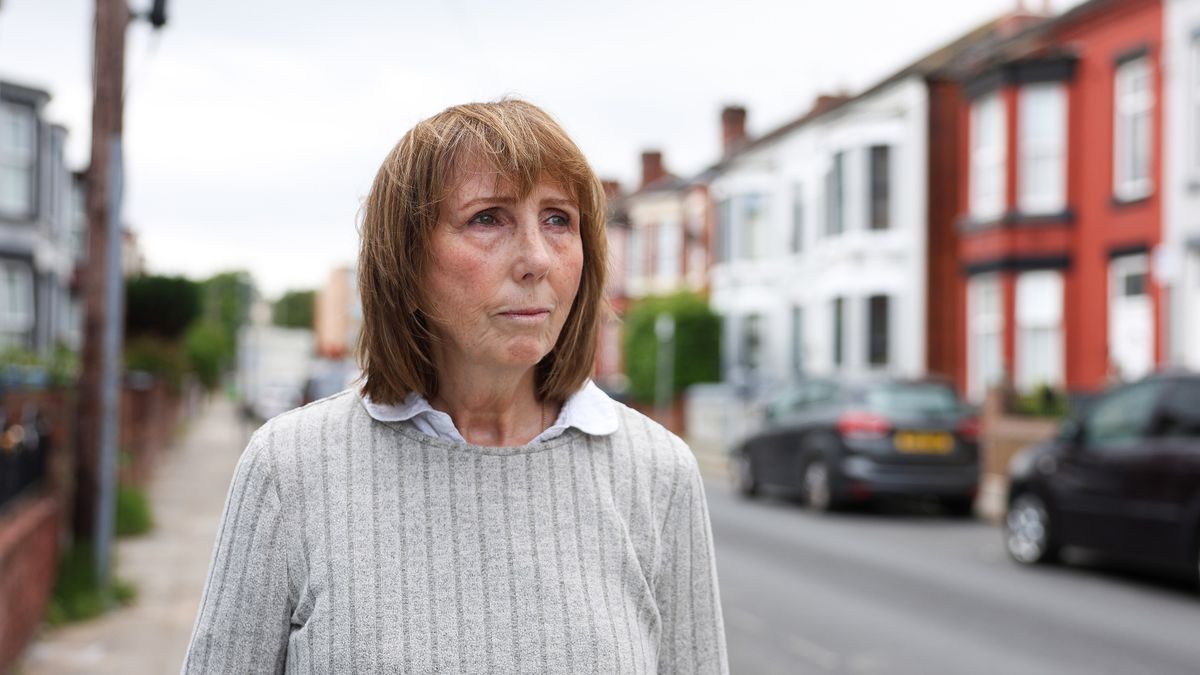
The Liverpool ECHO has spoken to campaigners working to end a ‘feudal system’ which has brought misery to so many lives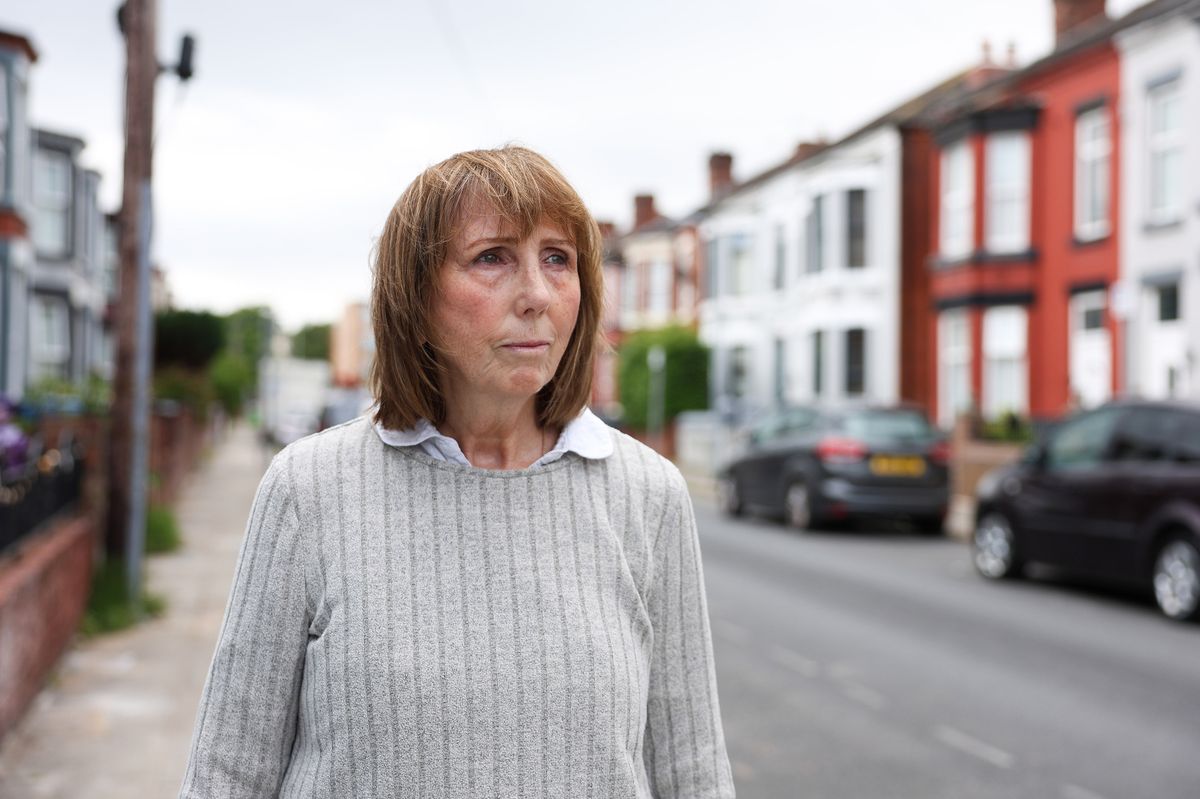
Cath Williams is one of the founders of the National Leasehold Campaign(Image: Liverpool Echo)
Two women have described the ‘penny drop’ moment when their dreams turned into a living nightmare. For 46-year-old paediatric nurse, Katie Kendrick, her realisation came in a school playground.
She was picking up her son when another parent told her the freehold to her house had been sold, resulting in a decade-long campaign to change the law, and end a ‘feudal system’ which has brought misery to so many lives.
Katie and her husband purchased a house using the government’s ‘Help to Buy scheme’. They knew the Ellesmere Port property was leasehold but said the developer’s sales team told them it was normal for newbuilds to be leasehold, and they could buy the freehold after two years for around £2,000.
Katie said: “I was always intending to buy the freehold after I had lived there for two years, so I wasn’t too worried about the long term issues. Everything changed when the developer sold my freehold after 18 months to a third party investor.
“I didn’t realise what this meant at the time until my neighbour contacted me to say she had applied for an extension on her property and the ‘permission fees’ had increased from £300 to over £2,400.
“That was when I had my penny drop moment and realised we had a problem. It was then it dawned on me that actually leasehold is not homeownership after all, not by any stretch.
“We had gone from thinking we had control over our homes to realising we were tenants at the mercy of faceless freeholders who ultimately owned our homes.”
She continued: “I started worrying so I contacted the new freeholder to start the process of buying the freehold, but was told the price had gone up from £2,000 to £14,000.”
The selling of the freeholds had significant financial implications for all leaseholders on the estate. Any changes to their homes would require paying the new freeholder an ever-increasing permission fee, and ground rents could increase exponentially.
As leaseholds devalued over time, and with the additional costs, the situation left many leaseholders feeling trapped and unable to sell their homes.
Katie started leafleting her neighbours, who were all largely in the same boat, and set up a Facebook group to provide a space for people to share their experiences. But very quickly people were contacting her from across the country, all describing their own nightmares with the leasehold system.
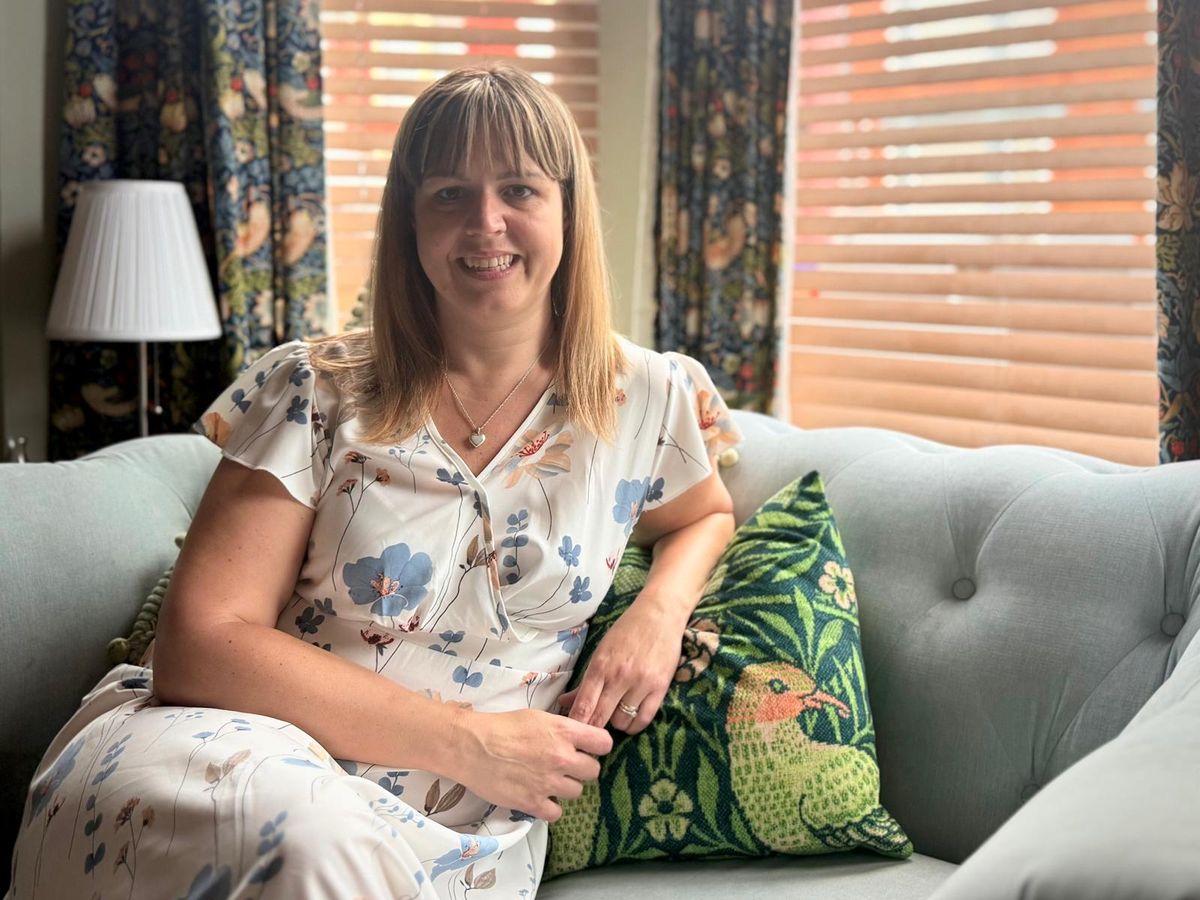
Katie Kendrick is one of the founders of the National Leasehold Campaign (Image: Liverpool ECHO)
Katie said: “It was then we realised we had opened up Pandora’s box and the issues were not just about leasehold houses, the situation for flat leaseholders were far far worse.”
Cath Williams’ ‘penny drop moment’ came shortly after receiving Katie’s leaflet. Cath had initially dismissed Katie’s letter but the implications of the freehold sale began to dawn on her.
Cath, 69, who now lives in Tuebrook, said: “Getting that leaflet started a chain of events which has permanently altered my life, and put me on a path I’m still on almost ten years later.”
In 2016, Cath, described herself as a very motivated buyer, and wanted a house with better transport links to the University of Liverpool where she worked as a lecturer. She came across the estate where Katie was living and the houses matched her requirements, so she started the process of buying her new home.
She said: “The seller was the developer which said it could get everything sorted quickly, and that the process could be expedited by using one of its recommended solicitors who had apparently done several deals already, and I was told this would help move things along more quickly.
“I thought, ‘oh, it’s great, dead easy’, you know? So, I went with that solicitor and four weeks before exchange, the developer asked me to go in and to do a checklist on the house.
“I was sat in the little office there and the salesperson picked a pencil up, and she wrote ‘leasehold’ on the bottom of the checklist.”
Cath said she had assumed the house was freehold as there was nothing in the sales information or marketing to indicate the house was leasehold and queried why it wasn’t made clear. The sales person then attempted to justify the tenure.
She recalled: “She said the famous words that everybody on the estate had heard, ‘Don’t worry, you can buy the freehold for a couple of thousand in two years’ time. That’s the law.”
Cath was far from satisfied, but with the opportunity to purchase the freehold within two years, she chalked it up to experience and accepted the terms.
Later on, and when she had reflected on Katie’s leaflet, Cath went and knocked on her door and the pair began to exchange information. Cath continued: “We had no control over our property, that we didn’t own them in the way I understood the term, and what many other people understand it to mean.
“I had a mortgage, I bought the house, but in reality, it wasn’t mine. I was just leasing it from the freeholder, and subject to the cleverly written lease terms controlling ground rent increases, permission fees etc.”
Within the two years of Cath leasing the property she was informed a large ground rent investor had bought the freeholds off the developer. She continued: “So just like Katie, when I initiated the process of buying the freehold I now had to serve notice on the new freeholder who came back with a valuation of over £14,000.”
It took 15 months of negotiations for Cath to eventually buy her freehold, and more than a year of paying legal and administration fees, as well as saving the money to eventually buy the freehold. She said: “I remember standing in my kitchen just crying because another bill came through, and I’m thinking, where am I going to find this money.
“I now know, through our campaign, that thousands of people were, and still are, in a similar situation, all paying astronomical service charges, escalating ground rents, trapped and locked into pure survival mode, it’s very distressing.
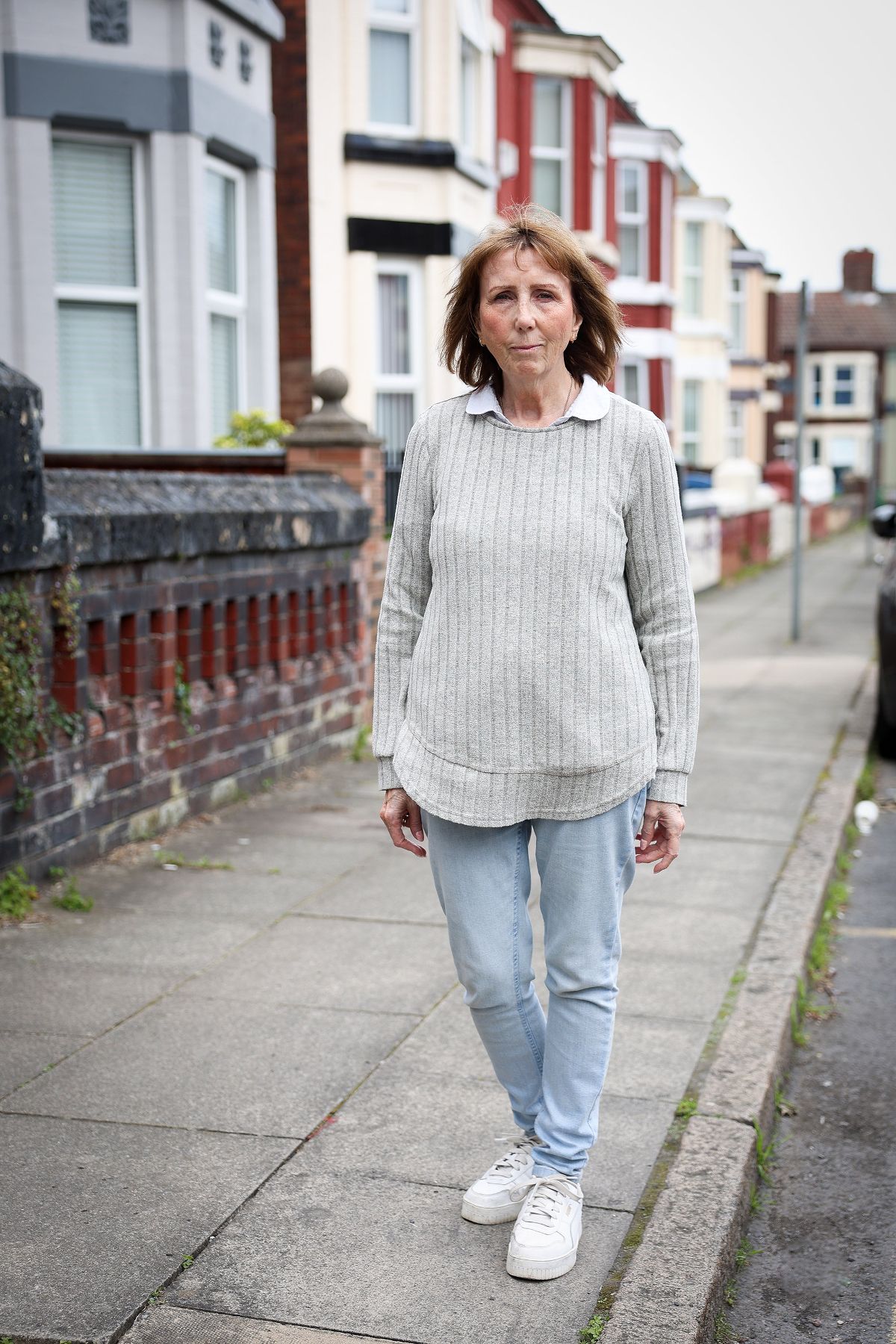
Cath Williams is one of the founders of the National Leasehold Campaign, and now lives in Tuebrook(Image: Liverpool Echo)
“These people’s despair is crushing them, and that’s what motivates us to keep on fighting for the changes necessary to end this medieval and exploitative practice.”
In January 2017, Cath and Katie helped set up the National Leasehold Campaign (NLC), which now has 34,000 members.
A government select committee inquiry was established in 2018, which highlighted cross party political support for reforming the leasehold model, eventually resulting in a piece of breakthrough legislation, The Leasehold Reform (Ground Rent) Act 2022 (TLR).
This Act meant future leasehold properties could no longer charge a ground rent, a fee which the Competition and Markets Authority described as “not legally or commercially necessary.”
The NLC considered TLR a huge breakthrough, as it legislated to end ground rents for most new residential leasehold properties in England and Wales. However it did nothing for existing leaseholders trapped with escalating ground rents.
For Katie, Cath and the other campaigners, this was merely a stepping stone to more wide-ranging reforms, and thanks in part to their lobbying, further changes were introduced via The Leasehold and Freehold Reform Act 2024 (LAFRA).
Last year, Katie, Cath and the third NLC co-founder, Jo Darbyshire, were all awarded OBEs from King Charles for their campaigning work, and the group maintains an ongoing dialogue with government ministers as it continues to advocate for change.
The NLC has paved the way towards a ban on new leasehold houses, and the introduction of a commonhold system for new flats, a system which allows buyers to own the freehold of their property, while collectively owning and managing the building.
The housing minister, Matthew Pennycook also promised to actively phase out the ‘feudal’ leasehold system in England and Wales, shifting toward a new ownership model, and mandating all new build flats be commonhold.
LAFRA still requires further secondary legislation before some clauses can be implemented, but it aims to make homeownership fairer and cheaper by increasing lease extensions to 990 years, abolishing unfair “marriage value” fees for extending a lease with less than 80 years remaining, introducing a standard format for service charges, and banning most new leasehold houses.
In January this year a draft commonhold and leasehold reform bill was drawn up, with campaigners hoping it will see the end of the leasehold model. It will mean banning the sale of new leasehold flats, and will cap ground rents on current leases at £250 a year.
However, it hasn’t all been plain sailing for the NLC, as the progress made has not come unchallenged.
The Residential Freehold Association (RFA) describes itself as a trade body representing the UK’s largest freeholders, and has advocated against certain leasehold reforms, including LAFRA. The RFA argues caps on ground rent could lead to the devaluing of their assets, and risk making some of them insolvent.
Responding to questions about its campaign, the RFA told us: “Government data published only last month shows that 93% of leaseholders are satisfied with leasehold. That is the actual opinion of the very people these reforms claim to protect and is completely at odds with the narrative put forward by some campaign groups.”
Cath Williams told us she has heard this line before, she said: “Freeholders’ take on this government survey has been debunked. For example, at no point in the survey were leaseholders asked if they were happy with leasehold tenure. They were only asked if they were happy “owning” their home. Two very different things.”
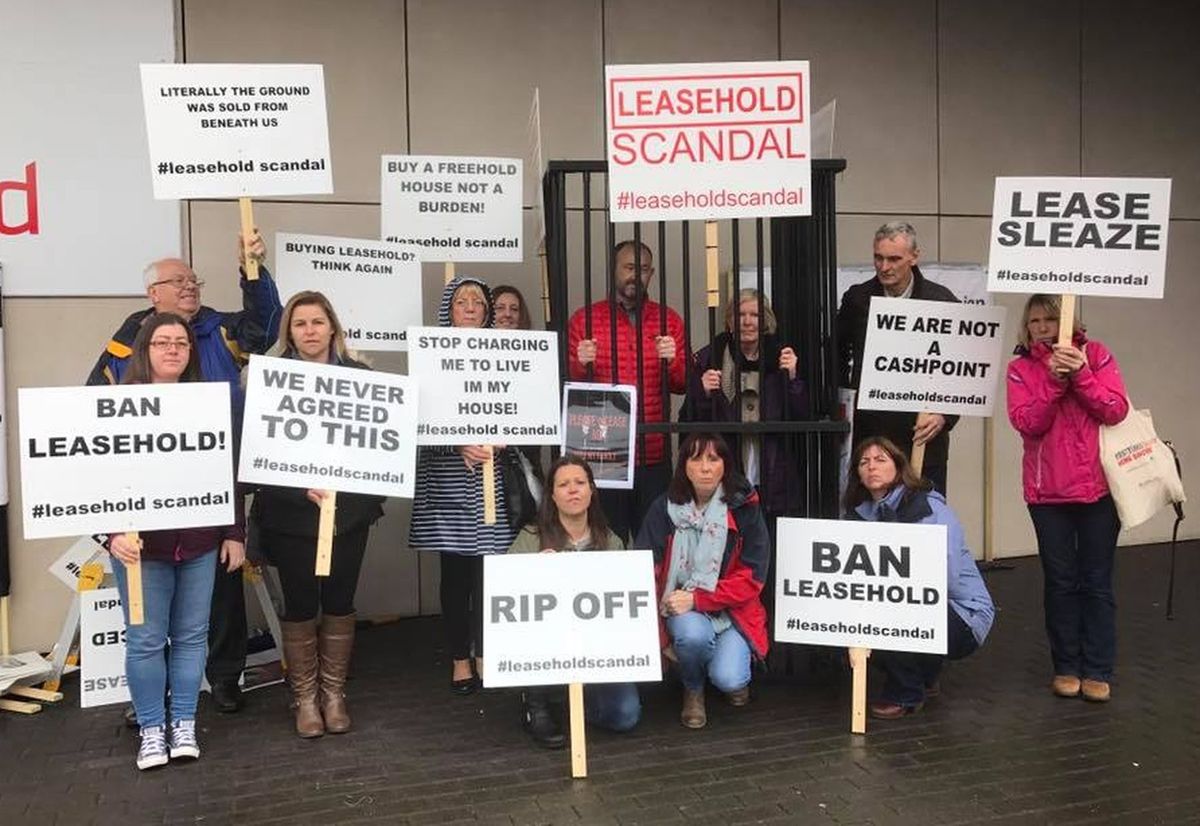
Katie Kendrick led the 2017 protests against housebuilders who sold on the freeholds to homes(Image: Ellesmere Port Pioneer)
For members of the NLC, the proposed changes don’t go far or fast enough, and do little to help people still living in perilous positions in leasehold properties now.
Katie added: “People have told us about instances of service charges soaring just after moving into their leaseholds, and our understanding is that the average annual service charge for a leasehold flat is now around £2,300.
“This is also a mental health crisis, because people are being pushed to the brink, and many of them have lost hope of ever finding a way out. It is an ongoing national scandal, and we’re now in a state of emergency about it all.
“There’s also a lot of examples of leaseholds located in the North West, with many developers buying up land and building leasehold properties in those areas.
“With Andy Burnham coming in, he is known as the ‘King of the North’ and we hope he is aware of the issues people are facing, and will back the reforms going through the commons, and in fact, speed them up and make them a priority of his government.
The NLC told us it wants to see leasehold abolished and make commonhold mandatory, adding: “The government has all the evidence it needs, now we need to see action. Leaseholders can not wait any longer.”
The ECHO contacted the Ministry of Housing, Communities and Local Government (MHCLG) to ask about the progress of the commonhold and leasehold reform bill and whether this is still a priority for the government, especially with the imminent change in leadership.
A MHCLG spokesperson confirmed the Commonhold and Leasehold Reform Bill will be brought forward this summer, with ‘final implementation timelines’ depending on how it passes through Parliament.
An MHCLG spokesperson told us: “Too many leaseholders in Liverpool and across the country are seeing unfair service charges, and this must stop.
“We are taking action by capping ground rent at £250, banning new leasehold flats and making service charges more transparent and easier to challenge, all to save homeowners money and call time on leasehold for good.”