
How the Strait of Hormuz is administered remains a major point of contention in the ongoing peace talks between the United States and Iran.
Oman has proposed a payment structure modeled on the system that has been in place for nearly two decades in the Strait of Malacca, The New York Times reported Tuesday, citing a regional diplomat familiar with the matter.
While Iran‘s military forces were largely devastated by the U.S.-Israeli strikes that began February 28, the country retained considerable leverage by controlling the strait, through which one-fifth of the world’s seaborne oil passes each year—roiling global energy markets and adding pressure on the administration of U.S. President Donald Trump to reach a deal.
Traffic through the strait has been reduced to a trickle for four months amid fears of Iranian attacks and soaring insurance premiums. Many of the ships that have braved the passage have done so via a designated lane near Iran’s coast operated by the Islamic Revolutionary Guard Corps, avoiding mines in exchange for a fee.
Newsweek reached out to the Iranian Foreign Ministry and Oman’s Embassy in the U.S. via email for comment.
Where Negotiations Stand
Nearly two weeks have passed since the 60-day negotiating period began under a memorandum of understanding (MOU) signed by the United States and Iran.
But while the U.S. and Iran have agreed there will be no fees during the two-month negotiating window, they remain divided over whether Iran can demand payment afterward. Trump and Vice President JD Vance, who has led the American negotiating team, insist there is no room in any lasting peace agreement.
“President Trump has been clear that Iran cannot toll the strait, which is an international waterway,” White House deputy press secretary Anna Kelly told Newsweek.
Iran has argued it is not proposing a toll but rather a “maritime service” charge to cover maintenance, environmental protection and other costs, in what analysts say would effectively amount to a transit fee.
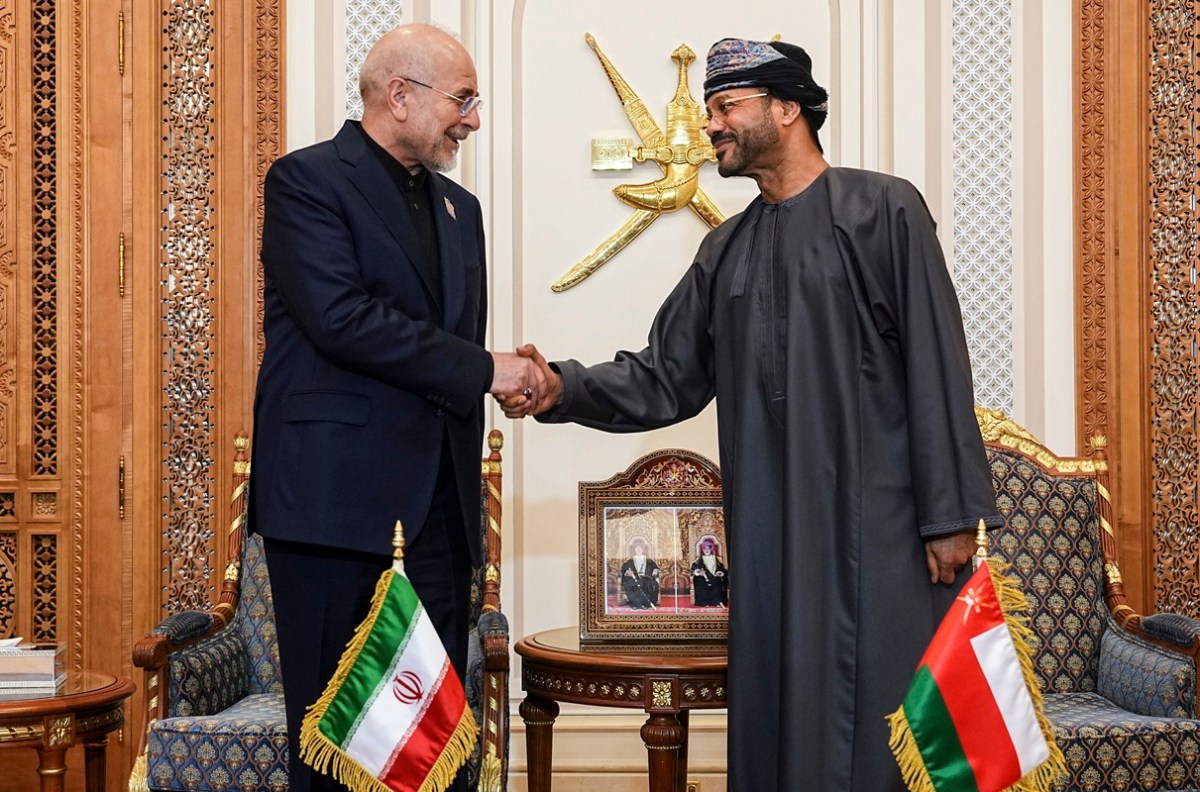
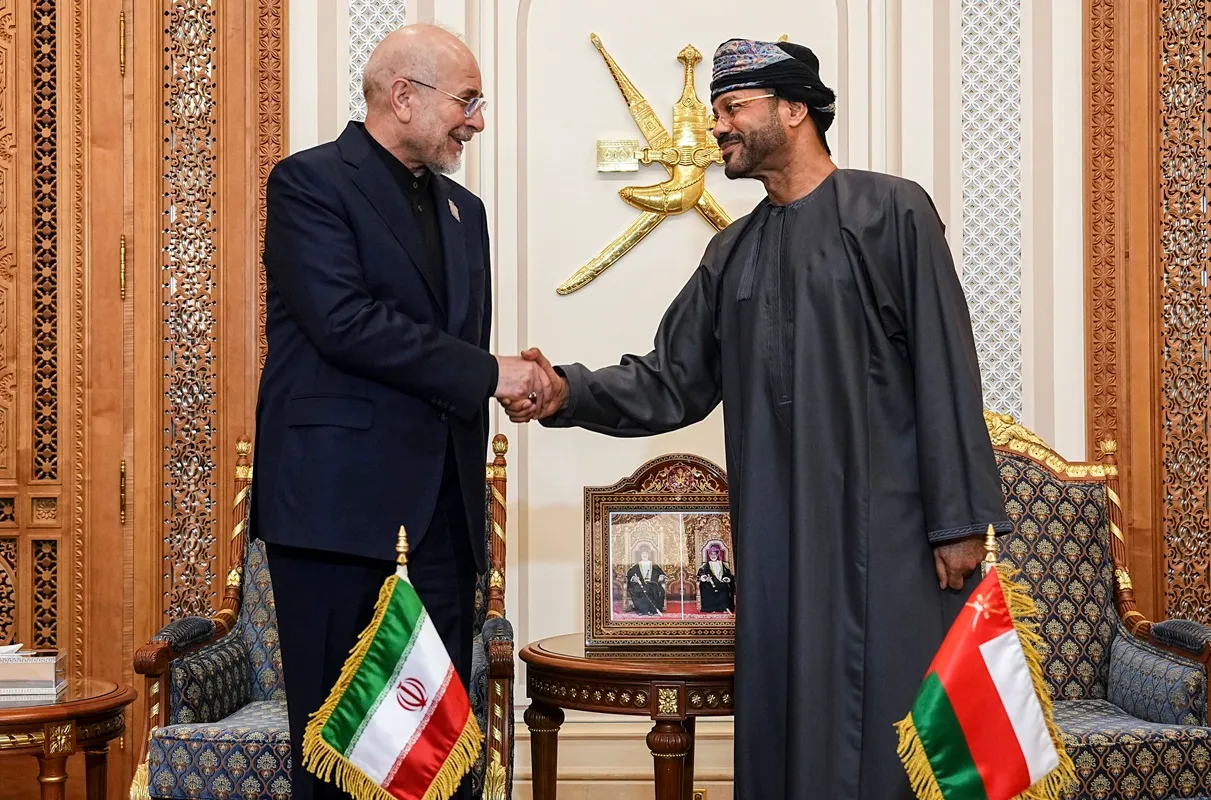
Iran’s Foreign Ministry said it held the first round of talks on the Strait of Hormuz with Oman on Monday, in accordance with the MOU.
Dubbed the “Switzerland of the Middle East,” Oman remained neutral throughout the conflict despite Iran’s drone and missile attacks on energy infrastructure, ports used by the U.S. military, and ships in Omani waters. The sultanate has served as an interlocutor between Washington and Tehran and has a vested interest in the strait’s future, as it controls the southern portion of the waterway.
Iran and Oman are “determined” to hash out a plan for administration and services in the strait and will remain in communication with their neighbors while doing so, Iranian Foreign Minister Abbas Araghchi wrote on X last week following a call with Omani counterpart Badr Al Busaidi.
Read More on World
A Success Story in Maritime Cooperation
The debate over Hormuz has led to speculation that the Strait of Malacca could offer a model for a compromise.
The Strait of Malacca is one of the world’s busiest shipping lanes, linking the Indian Ocean with the South China Sea. It, together with the adjacent Strait of Singapore, is jointly managed by Indonesia, Malaysia and Singapore.
The straits are governed by an arrangement known as the Cooperative Mechanism rather than by a toll system. Since 2007, Indonesia, Malaysia and Singapore have worked with major user countries and shipping interests to fund navigational safety and environmental protection projects.
Contributions are voluntary and support navigation aids, hydrographic surveys and other safety improvements rather than serving as a transit fee.
“Those things are considered public common goods. The question is, who is going to pay for them, right? So this is where the Cooperative Mechanism comes about,” Collin Koh, a senior fellow at Singapore’s Institute of Defence and Strategic Studies, told Newsweek. “The maintenance of that infrastructure, like navigational aids and all that—it all costs money,” he said.
Japan, which routes about 40 percent of its maritime trade and more than 90 percent of its crude oil imports through the strait, played an early and important role through the Nippon Foundation and the Malacca Strait Council, helping fund surveys, charting, wreck removal and navigation infrastructure.
Other governments and shipping industry groups have also contributed because they depend on the straits remaining safe and open. Rather than paying for the right to transit, contributors volunteer funding to maintain the infrastructure and services that support global shipping.
Can the Strait of Malacca Show the Way Forward?
But the situation in Southeast Asia is fundamentally different.
For one, Singapore, Malaysia and Indonesia all share an interest in keeping the waterway open and attractive to global shipping, meaning they have little incentive to impose a transit fee, analysts say.
The Malacca arrangement emerged from decades of cooperation among Indonesia, Malaysia and Singapore, which jointly manage the waterway and generally make decisions by consensus. Hormuz lacks that history, and Iran appears reluctant to lose its newfound global influence.
“The fact that Iran believes it has leverage now is because, simply, it had been able to threaten shipping through the area,” Koh said. “Iran believes that it is able to run its own agenda and Oman is just secondary,” he said. “Oman is just having to play second fiddle.”
Contact Newsweek editors on this story: Frances Mao and Sam Wilson.