
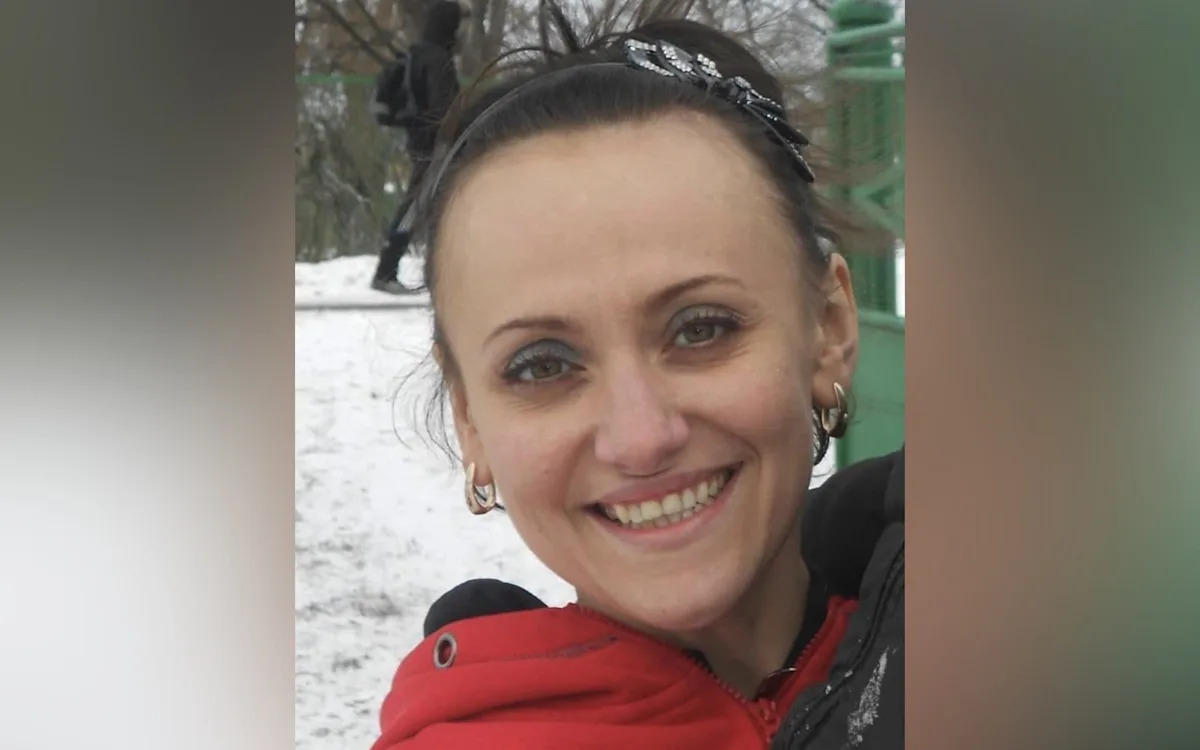
A man left his partner’s body in bed for days because he thought she was sleeping, an inquest heard.
Matthew Burgess came and went from Lyudmila Skotcher’s Norwich home for four days in October last year before eventually raising the alarm.
The 45-year-old was last seen on Oct 12 after she and Mr Burgess, who had been in a relationship for 18 months, bought alcohol and returned to her home, according to the Eastern Daily Press.
But four days later, emergency services were called to her address, where medics concluded she had been dead for several days.
A coroner ruled she died of alcohol intoxication and there was “no evidence of any third party involvement in her death”.
Mr Burgess told police she had become unwell on Oct 12 and said she needed to lie down.
When he checked on her, he thought she was asleep or had passed out after drinking a substantial amount of vodka. He put a blanket around her and left the property, Norfolk Coroner’s Court was told.
When he returned the next day, he found her in the same position and left again without calling for help because he thought she was sleeping off the effects of alcohol.

Lyudmila Skotcher, who drank up to a litre of vodka a day lay dead dead in her Norwich home for several days while her partner believed she was asleep
The court heard he did not call emergency services until the early hours of Oct 16, when it was quickly ascertained Skotcher had been dead for days.
He told detectives he only became worried after noticing changes in Skotcher’s appearance and a strong smell coming from her body.
A paramedic told the inquest Mr Burgess had claimed not to have been at the property beforehand – which CCTV later disproved.
Her death was initially treated as suspicious after Mr Burgess was unable to recall Skotcher’s name when speaking to emergency services and bruising was found on her abdomen. But a post-mortem examination later ruled out any third-party involvement.
A pathologist concluded Skotcher had consumed a very large quantity of alcohol and probably became unconscious before dying in an unsafe sleeping position caused by severe intoxication.
Christopher Leach, the assistant coroner for Norfolk, said he was satisfied that the cause of death was alcohol intoxication as she was more than four times the legal drink-drive limit when her body was found.
Mr Leach said: “Sadly she had a long history of alcohol use. There were concerns over the behaviour of her partner but a police investigation and medical conclusions mean I am satisfied there is no evidence of any third party involvement in her death.”
Her former husband, Stephen, who shared a son with her, said he remained distressed that medical help had not been sought sooner.
He added: “Her partner should have realised the first night and done something – you don’t just leave someone there for days.”