
Speaking to fellow surgeons across the NHS, the same stories emerge time and again. Ageing hospital buildings overheat during periods of hot weather, placing additional strain on staff, equipment and patients, and making safe and efficient care harder to deliver.
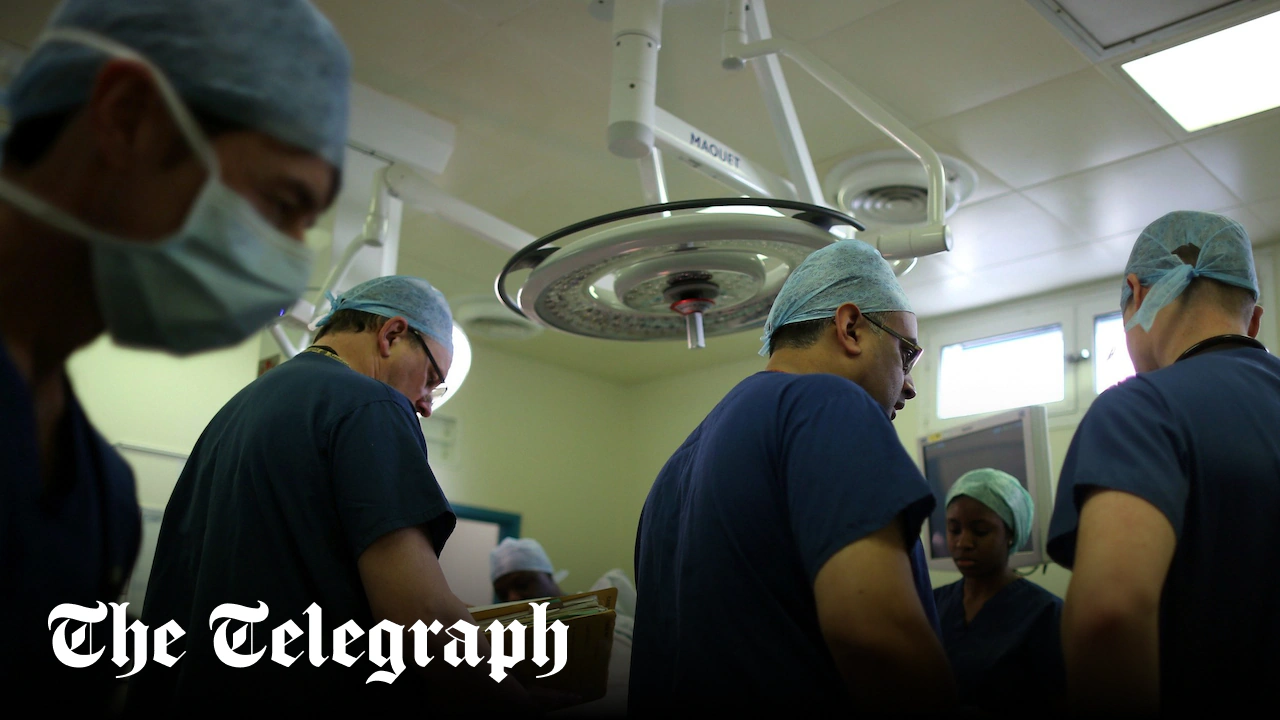
Operating theatres can be especially challenging environments during a heatwave. Surgeons work under intense lights, often wearing heavy protective equipment, while using specialist technology designed to keep patients warm during surgery. Theatres also depend on carefully controlled temperatures, humidity and ventilation to maintain safe conditions and reduce the risk of infection.
The consequences go far beyond discomfort. Dehydration, fatigue and dizziness become genuine concerns and, on occasion, staff need to step away mid-procedure to recover.
In one hospital, excessive humidity even triggered a fire alarm, forcing operations to be cancelled.
When infrastructure struggles during extreme heat, it is patients who pay the price. Operations are delayed or cancelled. Recovery areas become increasingly uncomfortable for vulnerable patients, and critical equipment such as MRI scanners and dialysis machines can struggle to operate reliably.
At a time when millions of people are already waiting for treatment, the NHS cannot afford care to be disrupted by predictable periods of hot weather.
The deeper issue is that much of the NHS estate was built for a different era. Many hospitals rely on ageing buildings, outdated ventilation systems and infrastructure that struggles to cope with prolonged periods of heat and the influx of patients that heatwaves can drive.
Yet NHS staff continue to find ways to keep services running. They rearrange theatre lists, work around failing systems and support one another through conditions that would be unacceptable in most other workplaces. But their resilience should not be mistaken for sustainability.