
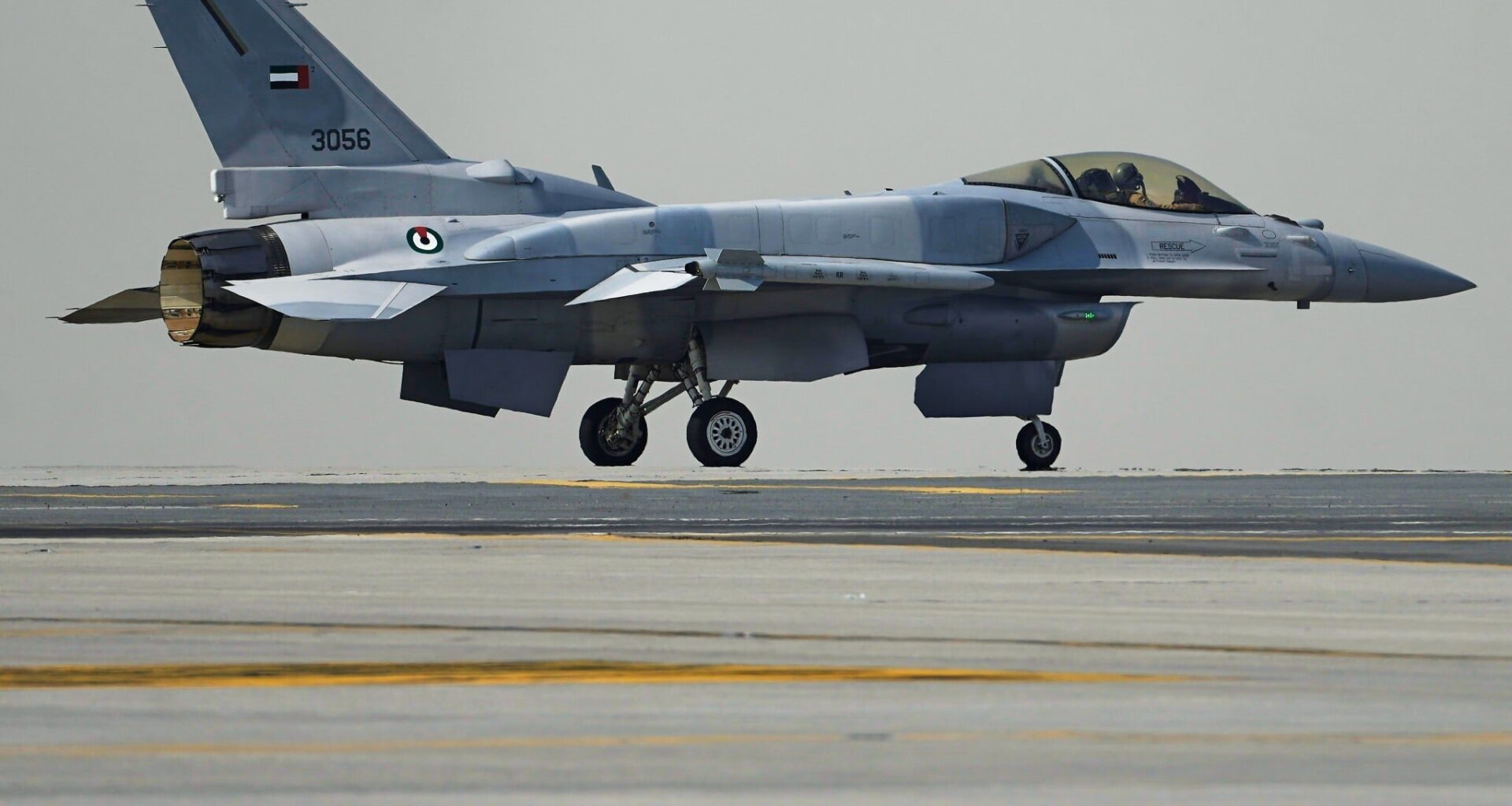
DUBAI, United Arab Emirates (AP) — A series of unclaimed airstrikes that hit Iran after the US said it finished its attacks have again raised questions of who else may be targeting the Islamic Republic.
The strikes Thursday, just as Iran prepared to bury the late Supreme Leader Ayatollah Ali Khamenei, hit areas across southern Iran. The country’s theocracy hasn’t directly blamed anyone for the strikes, though one lawmaker issued a warning to the United Arab Emirates over allegedly providing support to the United States in its campaign against Iran.
Gulf Arab states, which repeatedly have been targeted by Iran since the war began February 28, did not immediately respond to requests for comment Friday over the strikes. The attacks come as they and the US insist the Strait of Hormuz, a vital waterway for world energy markets, must be open and free to ships.
Iran says the strait must now be under its sole control and that vessels should begin to pay fees to Tehran — even though the world for decades has considered it an international waterway. About a fifth of all oil and natural gas transited the strait before the war began.
Iran’s grip on the strait during the conflict led to a global energy crisis, though oil prices have sharply dropped since wartime highs of $120 a barrel.
Get The Times of Israel’s Daily Edition
by email and never miss our top stories
By signing up, you agree to the terms
Israel, which took part in the Iran war, has also not claimed any recent attacks on Iran.
Unclaimed strikes came after US ended its attacks
The US military’s Central Command said Thursday around 6:30 a.m. local Iran time that it had concluded a round of strikes that saw some 90 targets hit. Shortly after that, Iranian news outlets and state media reported a series of airstrikes and explosions targeting the country’s Bushehr and Sistan and Baluchestan provinces, the cities of Ahvaz and Chabahar and other areas.
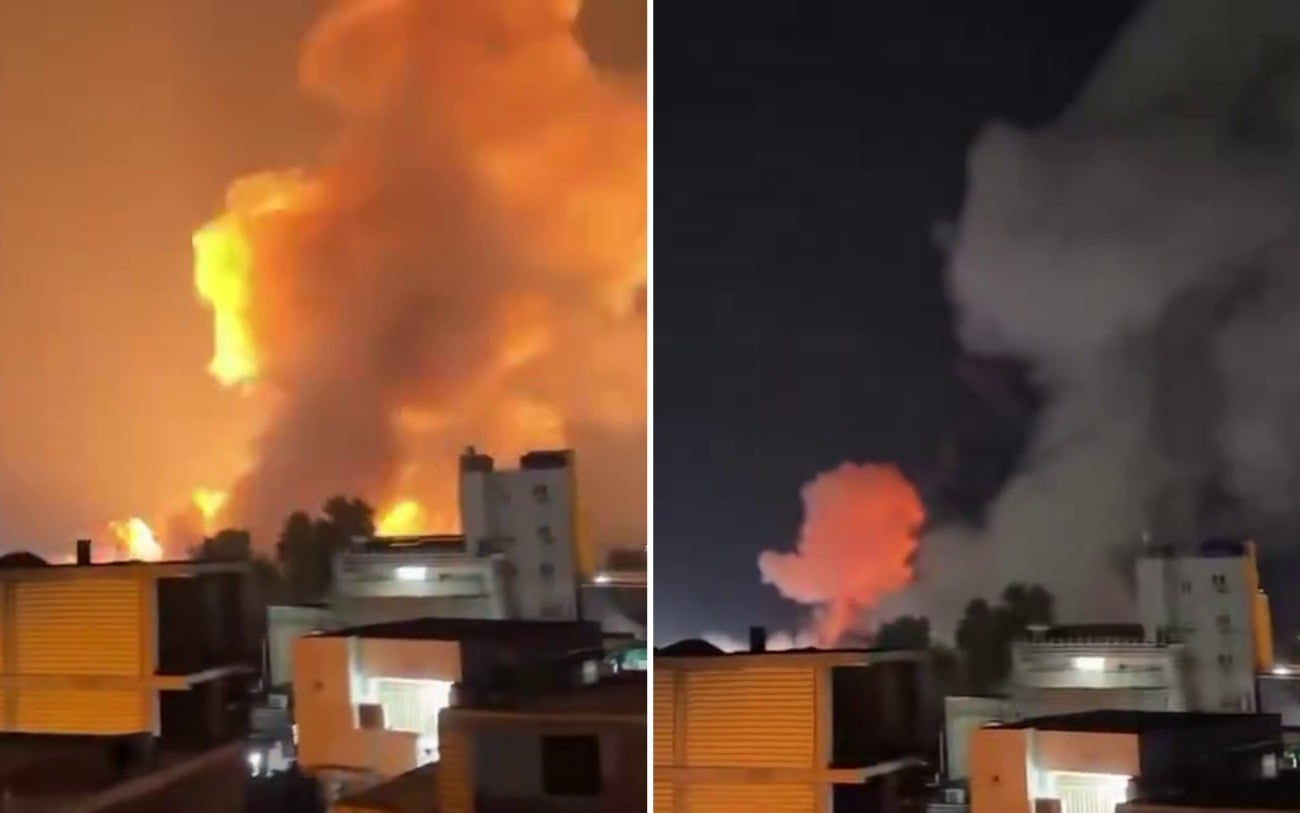
Screenshots from footage posted to social media of US strikes on Bandar Abbas, Iran, July 8, 2026. (X, used in accordance with Clause 27a of the Copyright Law)
A US defense official, speaking on condition of anonymity to discuss operational details of the American military campaign, said there had been no new US strikes since the last round ended Thursday morning.
Iran responded to the strikes Thursday by launching a wider volley of attacks across the Mideast, targeting Bahrain, Jordan, Kuwait and Qatar. Missile alert sirens sounded in the four countries, sending people to seek shelter. One person was reportedly hurt in Kuwait as air defense systems targeted the incoming fire across the region.
The leader of the UAE, Sheikh Mohammed bin Zayed Al Nahyan, traveled to Kuwait immediately after the Iranian attack for a meeting with the small, oil-rich nation’s ruling emir. Gulf Arab countries also held calls with Qatar’s foreign minister, who has been deeply involved, along with Pakistan, in mediating talks between Iran and the US over the interim deal now in place to halt the return of open warfare.
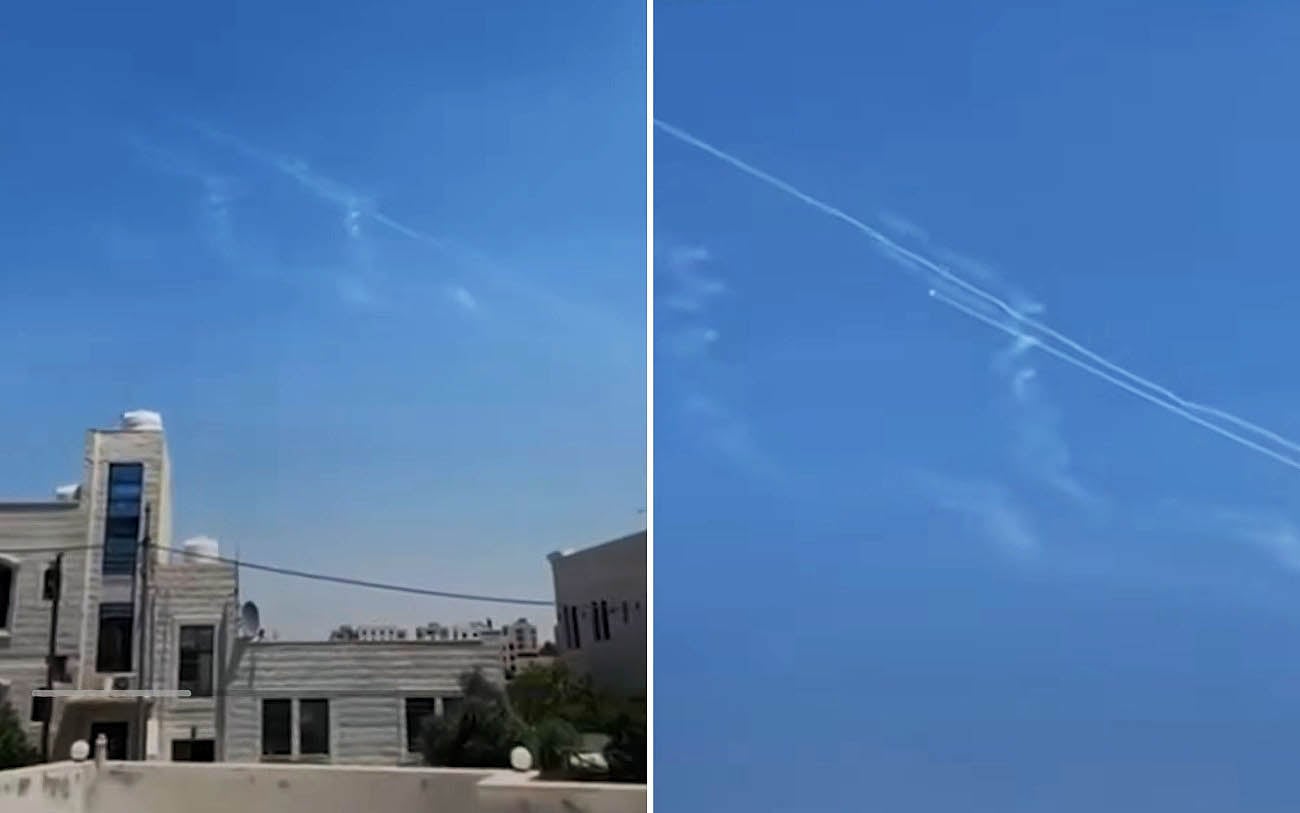
Footage posted to social media shows the interception of Iranian missiles over Jordan, July 9, 2026. (Screenshots/Al Jazeera via YouTube)
During the Iran war, there were also a series of unclaimed airstrikes. Officials later said both Saudi Arabia and the UAE launched airstrikes on Iran, after Tehran struck energy sites in their countries. Having a Gulf country again strike Iran likely could be an effort to deter Tehran from targeting the Gulf states again.
Israel, which, under Prime Minister Benjamin Netanyahu, has engaged in an intense campaign against Iran, has not attacked the Islamic Republic since June. In most cases, Israel immediately claims its attacks on Iran.
Israel’s government said Netanyahu spoke with US President Donald Trump on Thursday night, with Trump updating Netanyahu “on American moves in the Gulf.”
Israel Katz, Israel’s defense minister, also renewed threats that his nation stood ready to confront Iran if needed.
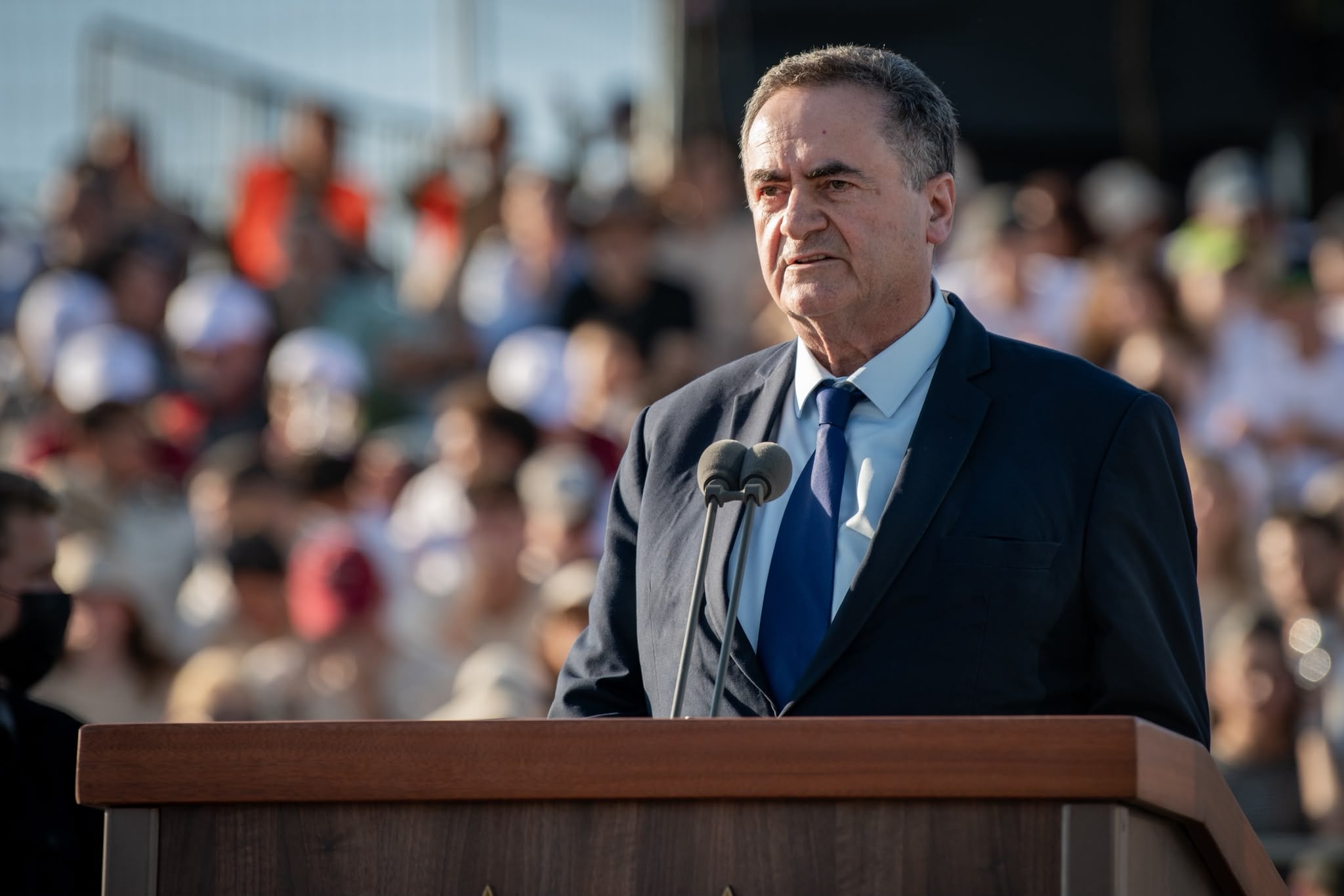
Defense Minister Israel Katz speaks at a pilots’ graduation ceremony at the Hatzerim Airbase, July 9, 2026. (Israel Defense Forces)
The Israeli military “is on alert and ready to renew the campaign, to reestablish aerial superiority, and to carry out a blue-white (Israeli) strike in Iran to remove threats, even for a third time,” Katz told a military ceremony. “If we will have to return, we will return with even greater force.”
Iran keeps up its threats
On Friday, Iranian state media quoted Esmail Kousari, a member of the Iranian parliament’s national security committee and a former commander in the paramilitary Revolutionary Guard, as warning the UAE would “pay the price for its cooperation with the United States.” He accused the Emirates of having a “behind-the-scenes” role in the recent US attacks.
Iran repeatedly accused Gulf Arab states of actively supporting the US war effort, something they denied during the war. The US since the 1991 Gulf War has maintained a broad footprint of military bases across the Gulf Arab states, including in Bahrain, which is home to the US Navy’s 5th Fleet headquarters.
Meanwhile, Iran insists it must be the sole controller of the Strait of Hormuz. But the US is continuing to urge mariners to travel on a southern route through Oman’s territorial waters to avoid Iran.
The Joint Maritime Information Center, a multinational body overseen by the US Navy, issued a new advisory Friday urging ships to travel that route. A similar message for ships to use that route sparked an Iranian attack on Tuesday that saw three vessels hit.
“Notwithstanding recent unprovoked attacks on merchant vessels, mariners are reminded that the southern route of the (strait) has been expanded and remains available for all traffic,” the maritime center said.
We can’t do this work alone.

The war with Iran has been draining for all of us in Israel. But when I heard about a high casualty incident – ballistic missile impacts in Arad and Dimona that left nearly 200 people wounded – I drank a cup of coffee, packed a bag, and headed south.
There, I spoke with Shilgit, the head of an after-school program for underprivileged youth. Standing outside her destroyed center, Shilgit said it was a miracle that no children were hurt and spoke about the community coming together in the hours since.
As a Times of Israel reporter, I’m committed to telling stories of resilience like Shilgit’s. But my colleagues and I can’t do this alone. If you value work like this, please consider joining our reader support group, The Times of Israel Community. Your financial support is essential to keep real human reporting like this going.
— Stav Levaton, military reporter
Already a member? Sign in to stop seeing this
You’re a dedicated reader

That’s why we started the Times of Israel – to provide discerning readers like you with must-read coverage of Israel and the Jewish world.
So now we have a request. Unlike other news outlets, we haven’t put up a paywall. But as the journalism we do is costly, we invite readers for whom The Times of Israel has become important to help support our work by joining The Times of Israel Community.
For as little as $6 a month you can help support our quality journalism while enjoying The Times of Israel AD-FREE, as well as accessing exclusive content available only to Times of Israel Community members.
Thank you,
David Horovitz, Founding Editor of The Times of Israel