
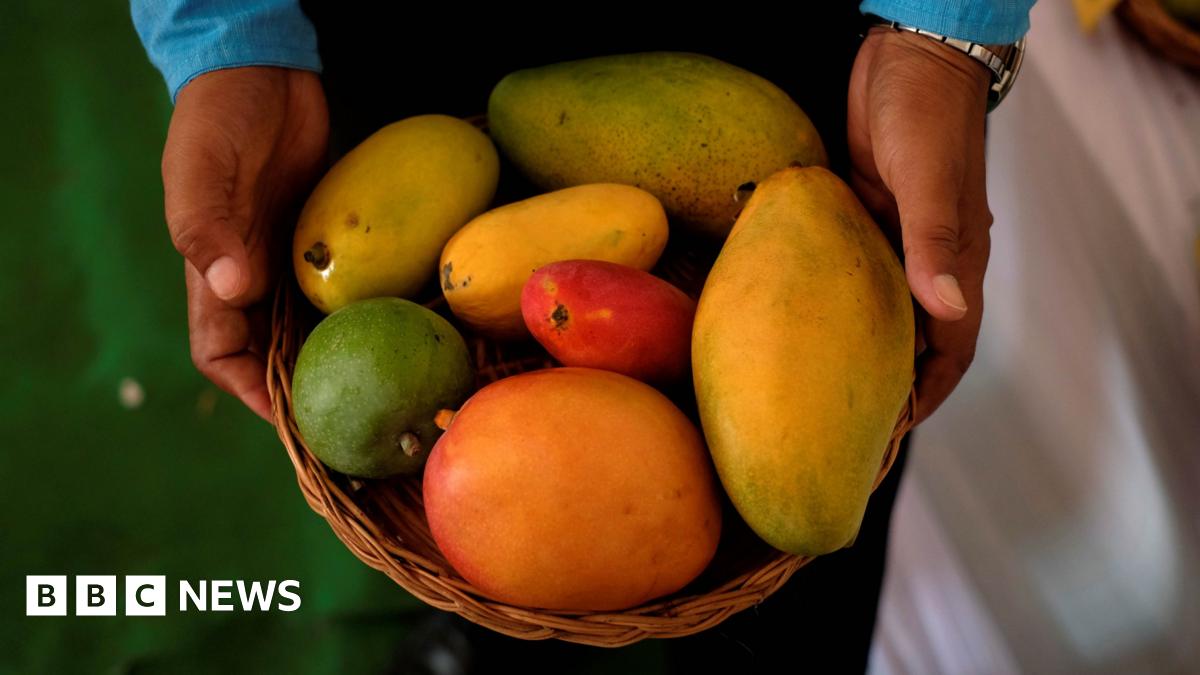
As summer sweeps across India, one of the most common questions a leading Mumbai-based diabetologist hears from his patients is: “Can I eat mangoes?”
“Mangoes, with their rich sweetness and diverse varieties, are a staple of Indian summers, and it’s understandable why people want to indulge,” says Rahul Baxi.
However, this simple question, he says, comes loaded with misconceptions – ranging from the belief that mangoes should be strictly avoided, to the opposite extreme where some think eating mangoes in excess might “reverse diabetes”.
The reality lies somewhere in between, but the confusion doesn’t end with the season. “In fact, many patients return for follow-up visits post-mango season, often with elevated glucose levels, and sometimes, the culprit may just be overindulgence in this beloved fruit,” says Dr Baxi.
This constant dilemma has left many people with diabetes wary of the “king of fruits”. Yet, new research suggests that mangoes might not be the villain they’re sometimes made out to be.
Two new Indian clinical trials are turning conventional dietary wisdom on its head, suggesting that controlled mango consumption instead of carbohydrates (in the form of bread) may actually improve blood sugar and metabolic health in people with type 2 diabetes.
Type 1 diabetes occurs when the pancreas produces little or no insulin, while in type 2, the body becomes resistant to insulin’s effects.
Type 2 diabetes makes up over 90% of global cases, according to the International Diabetes Federation (IDF). It’s the eighth leading cause of disease burden worldwide, projected to rank second by 2050. Though not fully understood, it’s strongly linked to excess weight, age, ethnicity and family history.
In India, an estimated 77 million adults have type 2 diabetes, while nearly 25 million are prediabetic and at high risk of developing the condition, according to the World Health Organization, external.