

AI has made its choice of the country’s finest architecture a day before the official list is announced, predicting which six of the 32 contenders from the RIBA’s National Awards will be named as those in the running for UK’s highest accolade in architecture.
Basing its ‘supercomputer-style’ speculative predictions on factors including scale, innovation, social impact, heritage value and environmental design, AI has chosen a shortlist of contenders from the longlist of National Award-winning projects, which included a south London health centre by Morris+Company, Renzo Piano’s Paddington Square, and a Tonkin Liu-designed technology workshop at York Minster.
Perhaps controversially – but not unpredictably – all AI’s contenders come from London and the South (and, in particular, the South West). The selection pool of 32-strong list of national award winners had also been dominated by schemes from the capital.
AI said in an explanation that its selection covers ‘different building types, a mix of scales, a strong public project or two, and at least one “surprise” smaller project’.
Intriguingly, AI admitted that this year there was a handful of schemes which were also on the cusp of making the final six, namely: J&L Gibbons; Pembroke, Mill Lane, Cambridge by Haworth Tompkins; and Space House by a Squire and Partners team.
Last year, ChatGPT successfully chose three of the six projects that made the official RIBA Stirling shortlist, though it failed to pick out the ultimate winner – Witherford Watson Mann’s ‘generous and thoughtful’ Appleby Blue Almshouse in Southwark, south London.
How accurate will AI be this year? Will the RIBA make similar choices when the official shortlist is revealed tomorrow (16 July)? We will soon find out.
ChatGPT predicts the 2026 Stirling shortlist
Sadler’s Wells East, by O’Donnell + Tuomey
A new dance theatre and choreography school on the Olympic Park, clad in red brick and tile. The 8,280m2 project was praised as a ‘hugely confident new arts facility with a bold architectural design, that not only meets very exacting functional requirements, but successfully creates an icon here for local people’.
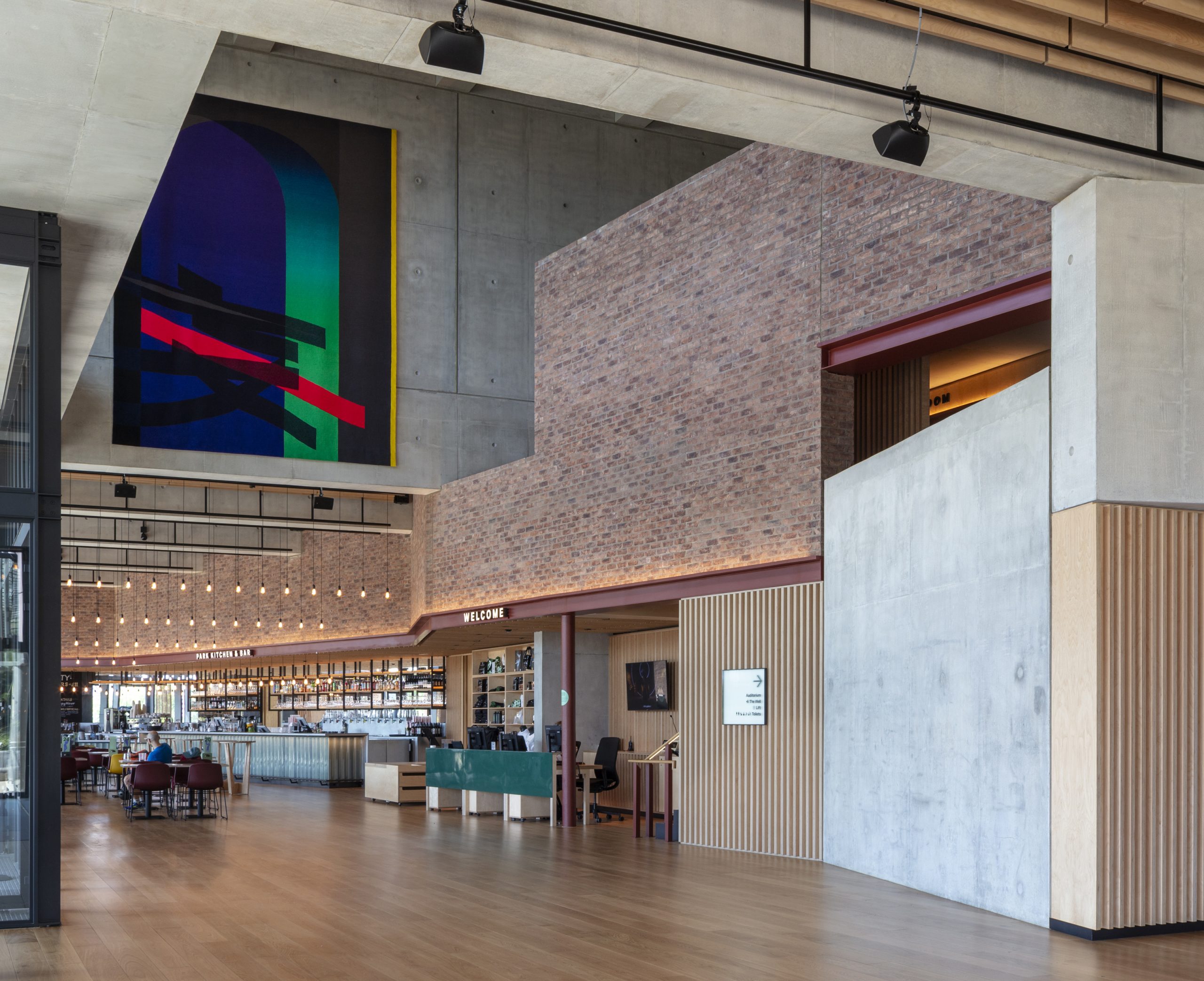
Sadler’s Wells East by O’Donnell + Tuomey
Source: Nick Kane
UCL East, Marshgate, by Stanton Williams
A major interdisciplinary academic building for UCL, with a monumental canopy and robust civic presence on the Olympic Park. It was praised as a ‘hugely significant university building [which] deserves to be a real source of pride’.
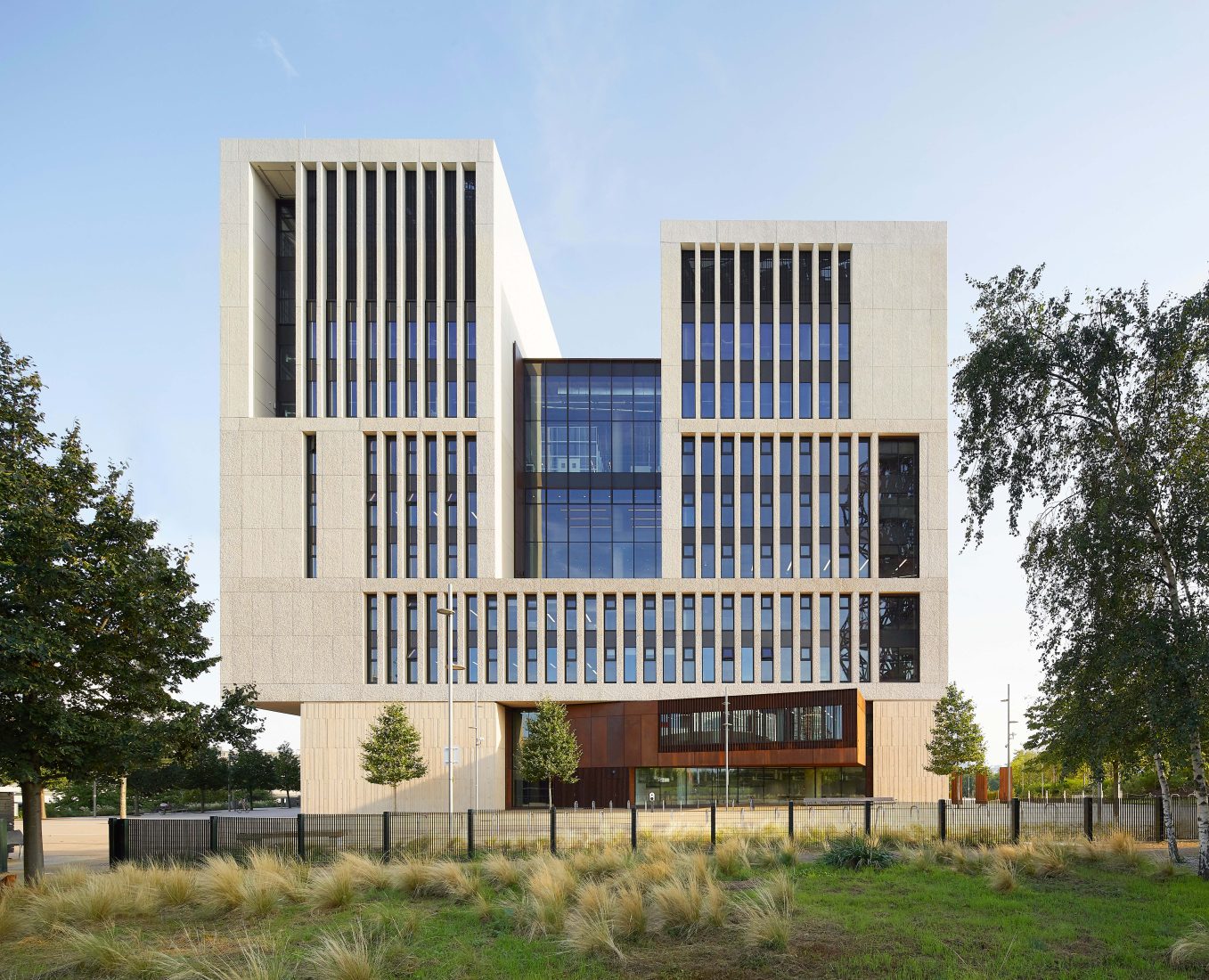
Stanton Williams’ UCL East, Marshgate
Source: Hufton + Crow
Plashet Road, by Levitt Bernstein
A £22 million Passivhaus-certified council housing scheme delivering 65 affordable homes on an empty site in Upton Park. The 6,270m² project was described as demonstrating ‘humanity, propriety and good design’.
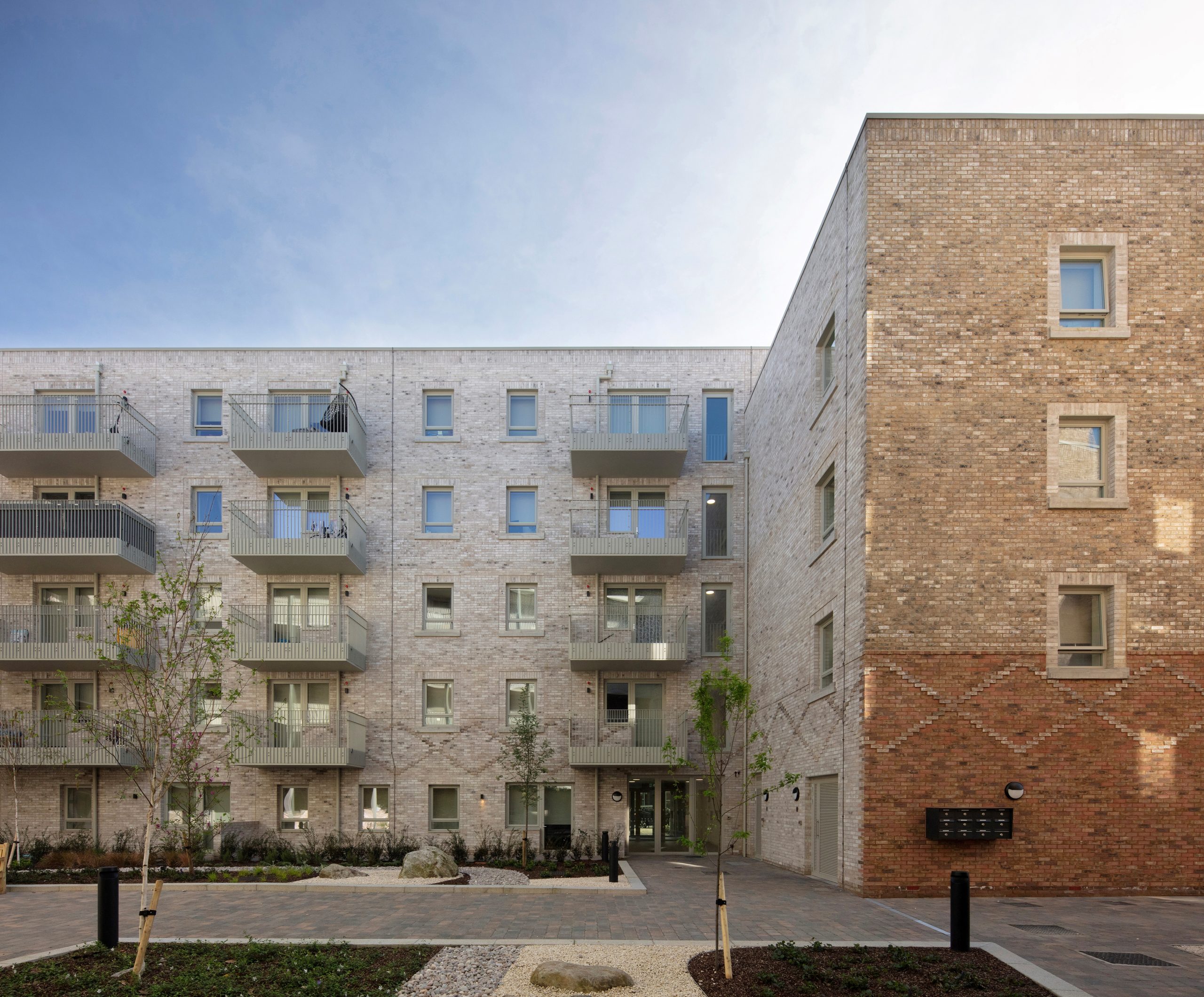
Plashet Road, Newham by Levitt Bernstein
Source: Ben Luxmoore
Rammed Earth House, by Tuckey Design Studio
A 520m² private house using rammed earth, timber frame and specialist low-impact construction, with material excavated from the site. The judges described the home as ‘something profound and exceptional’ with a ‘careful, layered understanding of place, landscape and material warmth’.
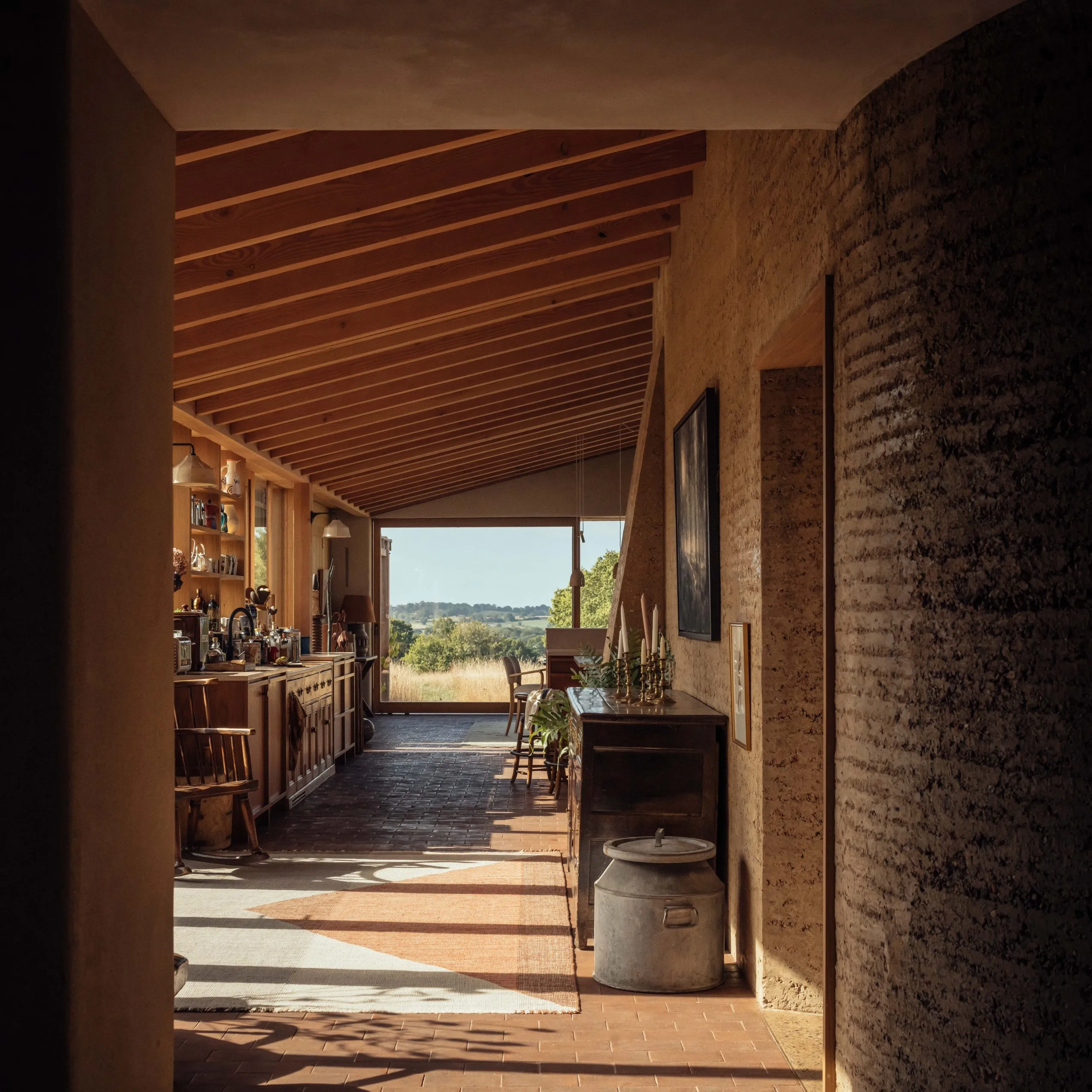
Rammed Earth House by Tuckey Design Studio
Source: Jim Stephenson
Bristol Beacon, by Levitt Bernstein
A transformation of Bristol’s historic concert hall, combining acoustic, structural and architectural reworking of the 1867 venue. The judges said the 8,360m² project restored ‘clarity to the building’s remarkable Byzantine Revival architecture while revealing the many layers of its history’.
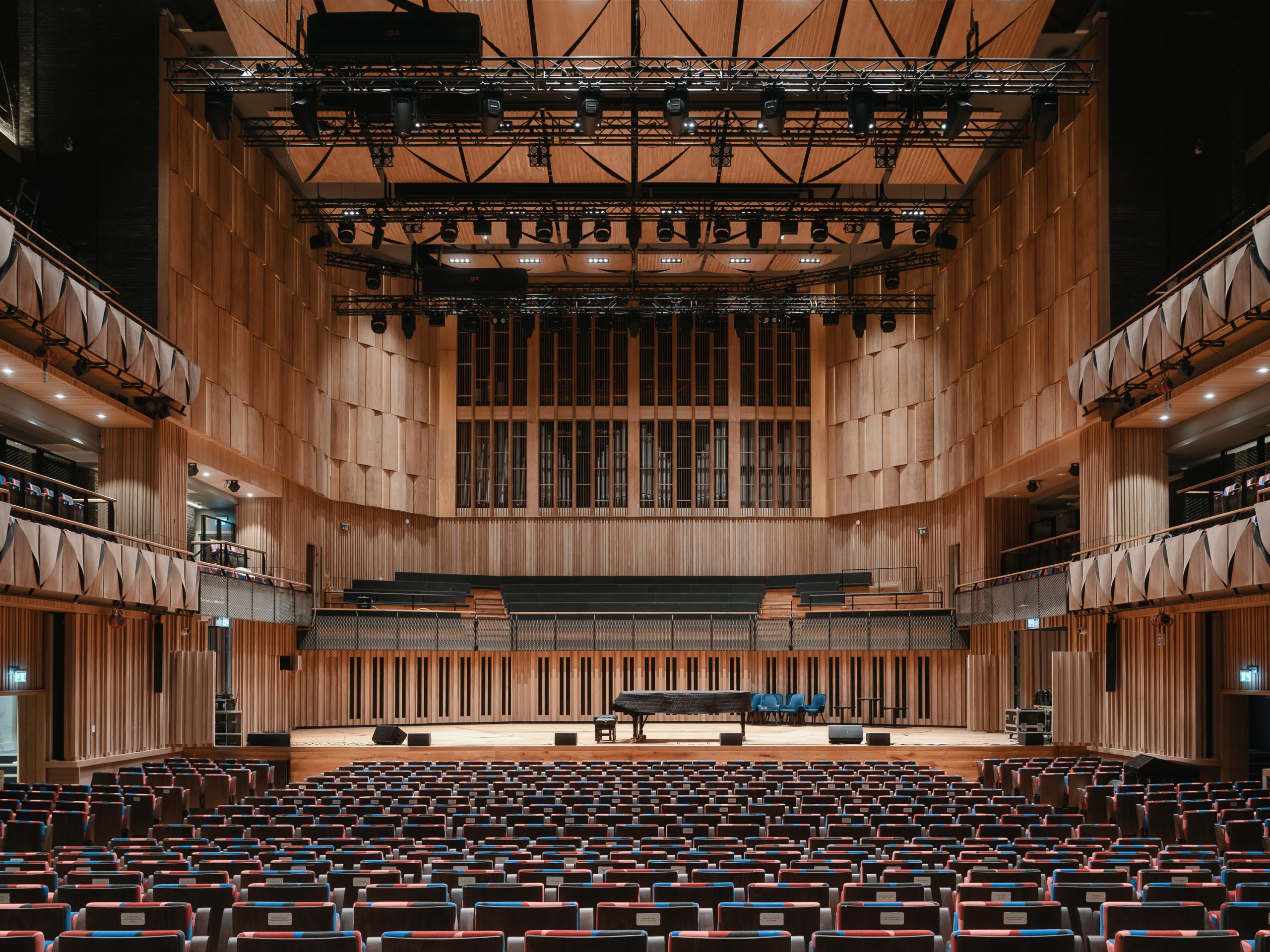
Cultural project: Bristol Beacon by Levitt Bernstein
Source: Tim Crocker
Urban Nature Project, Natural History Museum, by Feilden Fowles and J&L Gibbons
A landscape-led transformation of the Natural History Museum’s 2ha gardens, adding step-free routes, expanded habitats, two new buildings and scientific monitoring infrastructure. A scheme praised by the RIBA for ‘elevating the museum’s external grounds from backdrop to living exhibition’.
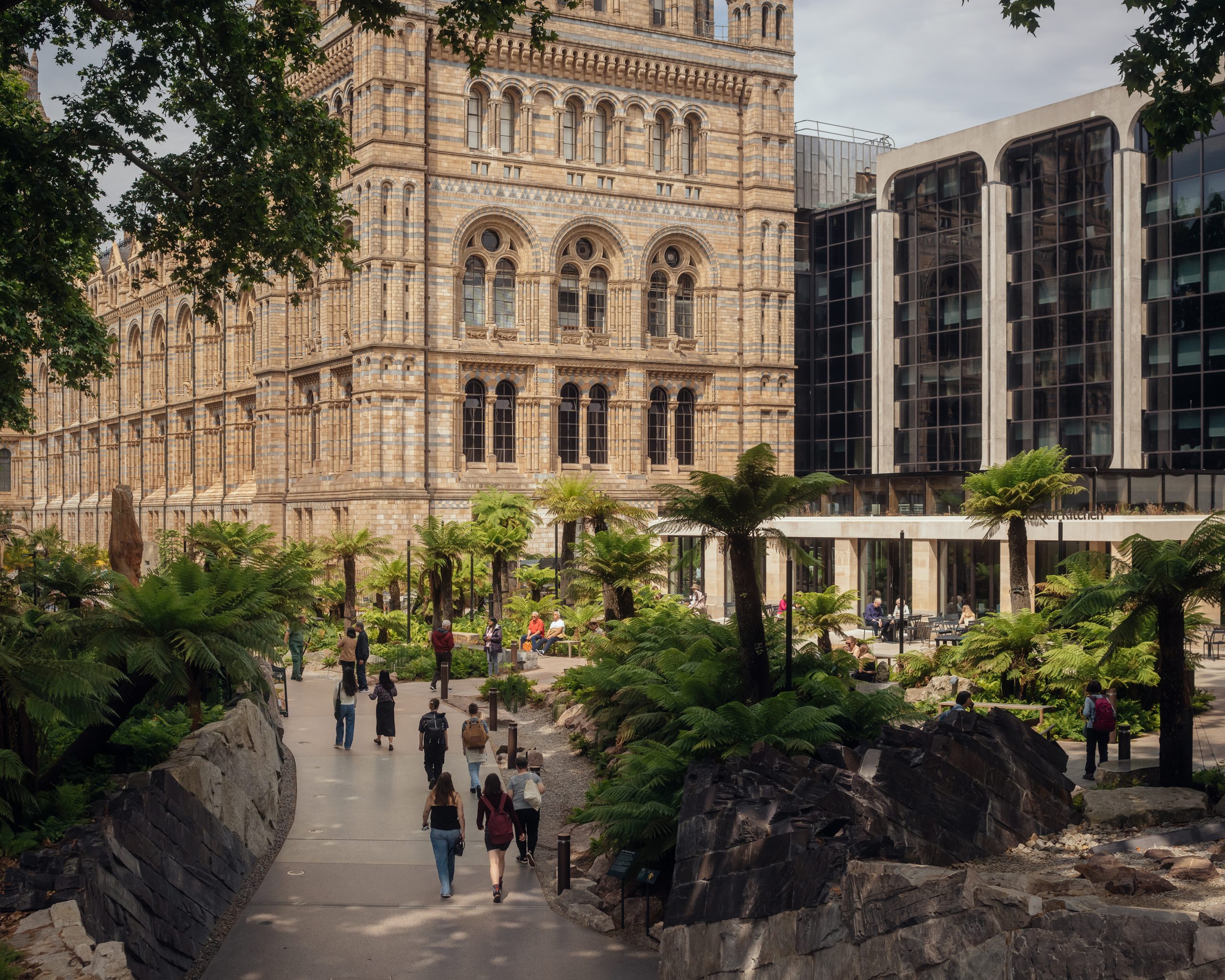
Urban Nature Project, Natural History Museum by Feilden Fowles and J&L Gibbons
Source: Jim Stephenson