
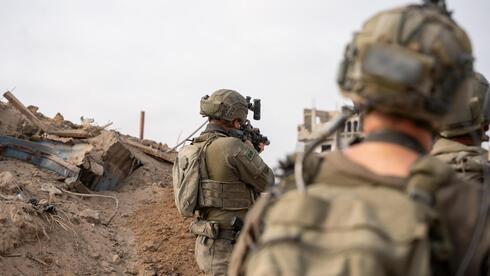
In December 2023, IDF soldiers lit the first Hanukkah candle in the square, a symbol of Hamas control, with Brig. Gen. Benny Aharon, commander of the 401st Brigade, describing the act as bringing “light of purity, goodness, hope and dream for the State of Israel” to the darkened city. Aharon said the ceremony, two months into the war, was a statement of IDF strength and a continuation of Israel’s fight against Hamas.
Since the conflict began, the IDF has entered Gaza City multiple times in limited ground operations targeting neighborhoods like Zeitoun and Sabra, supported by airstrikes, artillery and explosive robots. Full control of the city or installing an alternative authority was never the objective, allowing Hamas to partially rebuild.
Security officials are also planning comprehensive humanitarian measures to ensure evacuated areas have sufficient food, water, medical care and essential infrastructure. Estimates suggest up to one million residents in northern Gaza may need to be relocated prior to the operation.
Gaza City, the largest in the Strip and third-largest among Palestinian cities after East Jerusalem and Hebron, has grown rapidly since the Oslo Accords and hosts multiple universities including the Islamic University, a key Hamas-controlled site. Experts say Hamas has long embedded its military and social infrastructure in the city making operations complex.
The last senior Hamas commander believed to remain in Gaza City, Izz al-Din Al-Haddad, reportedly continues to operate in the city, commanding a brigade while evading Israeli forces. The IDF has systematically targeted high-rise buildings housing Hamas cells. Roughly one million residents, including displaced people from southern Gaza, further complicate military operations with many refusing to evacuate even under threat.
Observers warn that the occupation or destruction of Gaza City could draw sharp international criticism due to its political, humanitarian and symbolic significance. Analysts also note that ongoing Israeli operations, including heavy artillery, airstrikes and targeted demolitions, may be part of broader efforts to misdirect public attention from strategic objectives.