
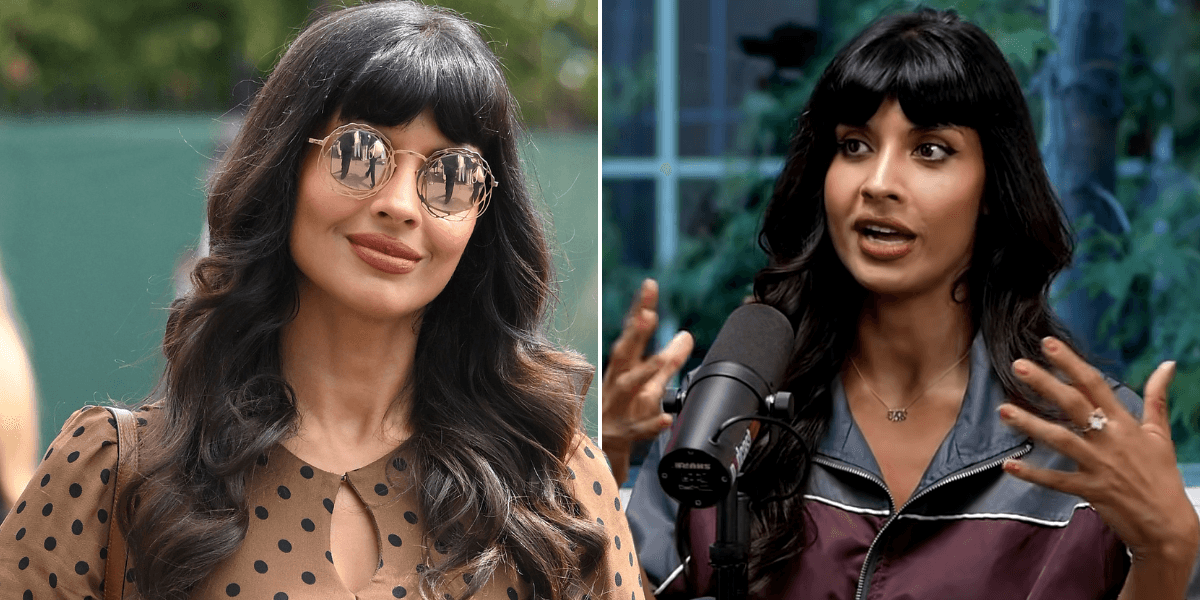
Jameela Jamil, the 40-year-old actress and former BBC Radio 1 presenter, has provoked widespread anger after branding the British “truly the most evil people in history” during a podcast appearance.
The London-born star made the remarks on the podcast Yestergays to hosts Justin Sylvester and Blakely Thornton.
She was reflecting on her role as Tahani Al-Jamil in the NBC comedy The Good Place when she made the comments.
Discussing how she shaped the character, Ms Jamil said: “Americans think British people are so sweet, which is so crazy because British people are truly the most evil people in history.
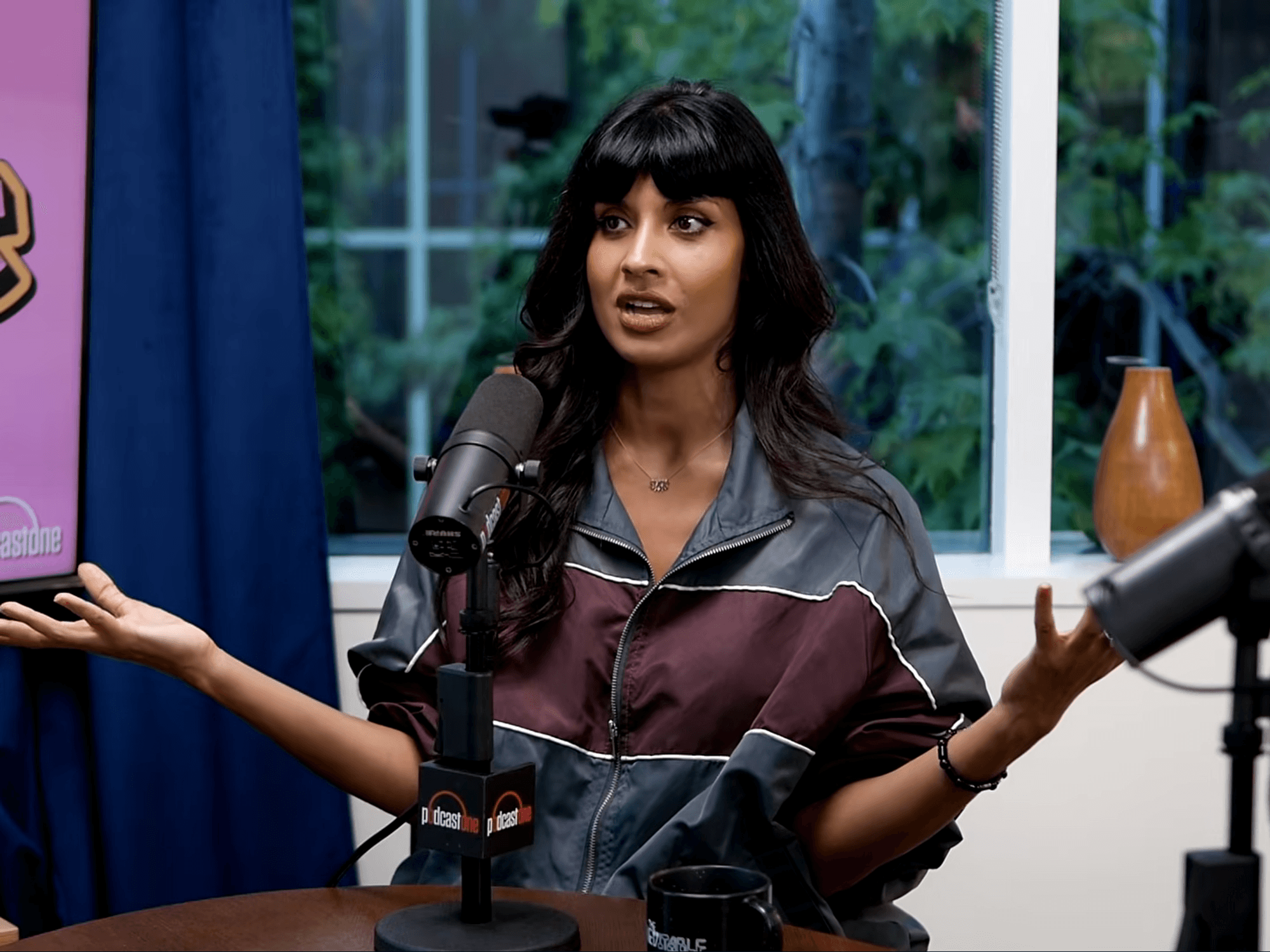
Jameela Jamil branded Brits ‘evil’
|
YESTERGAYS PODCAST
“They are Thanos. Britain is Thanos. They owe 43 trillion to India. We colonise the world.”
She also declared that wealthy British people “aren’t likeable to anyone, they’re horrible, they’re awful.”
Elsewhere in the conversation, Ms Jamil was asked about her experience of relocating from London to Los Angeles, where she has lived for a decade.
While acknowledging that the current political climate under Donald Trump felt “like a scarier time than ever,” she turned her ire back on her home country.
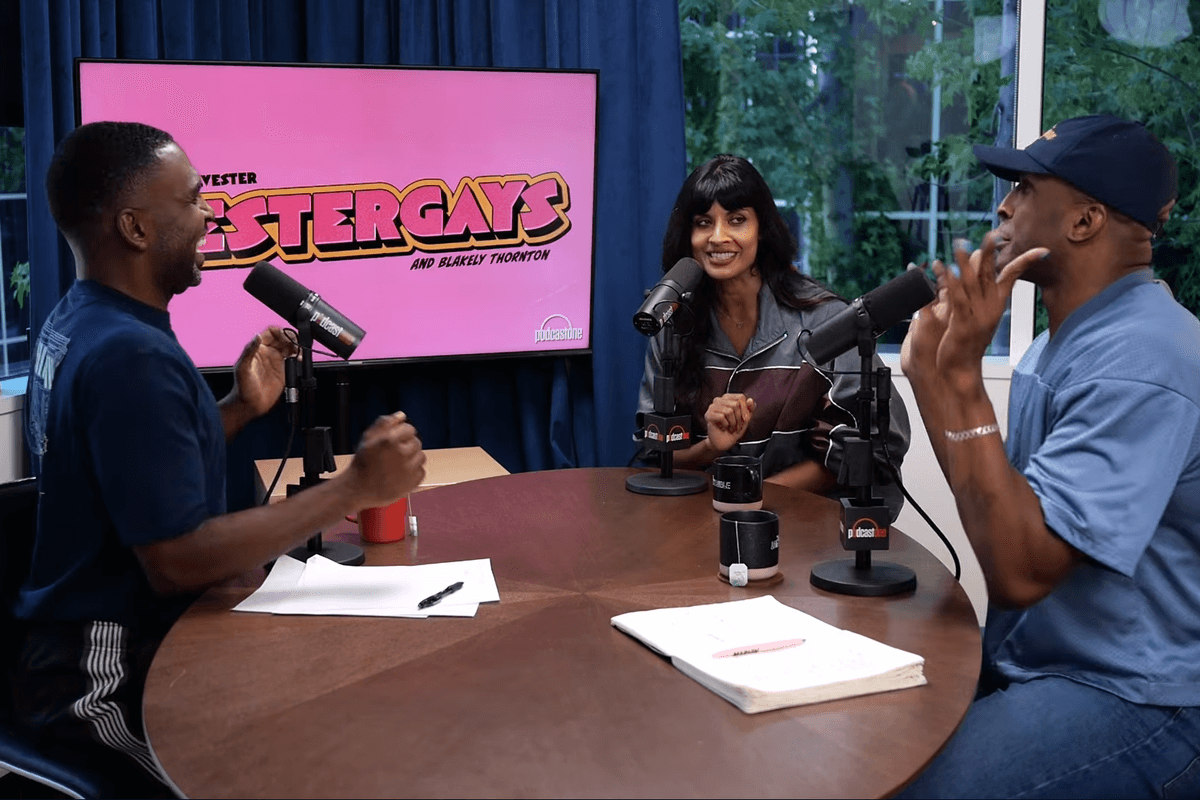
Jameela Jamil spoke to podcast hosts Justin Sylvester and Blakely Thornton
|
YESTERGAYS PODCAST
“Britain is f***ed,” she stated. “It doesn’t feel as though I’m going back to some sort of haven. There’s literally a race war happening right now.”
Ms Jamil went further, arguing that Britain bore responsibility for political upheaval on both sides of the Atlantic.
“Brexit paved the way for American chaos,” she said. “They put the stone in the road.”
In a separate interview last year, Ms Jamil explained her decision to leave England, saying she was “sick of being made to feel at 28 that my time was up” and was “offended by the way I was being treated.”
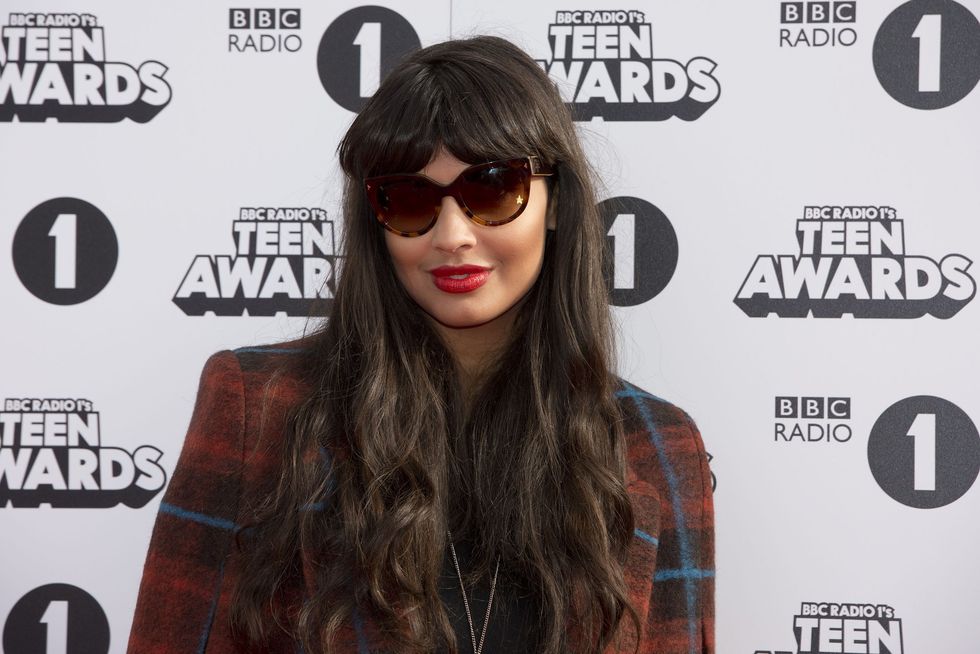
Jameela Jamil used to front her own show on BBC Radio 1
|
PA
Clips of the podcast rapidly circulated online, drawing a flood of criticism from social media users and recognisable faces.
Historian and GB News regular Rafe Heydel-Mankoo called her “an imbecilic nincompoop,” adding: “This prep school princess owes her success to Britain, land of her birth.”
One social media user urged Ms Jamil to “renounce your British citizenship” and instead “sponsor a well-deserving individual from India who truly wants to be here.”
Others were quick to highlight that Ms Jamil is married to James Blake, the British singer-songwriter. “Never ask an ‘anti-colonialist’ the race of her boyfriend,” one user quipped, while another mocked: “You guys are so evil that I’m going to live with you and marry you.”
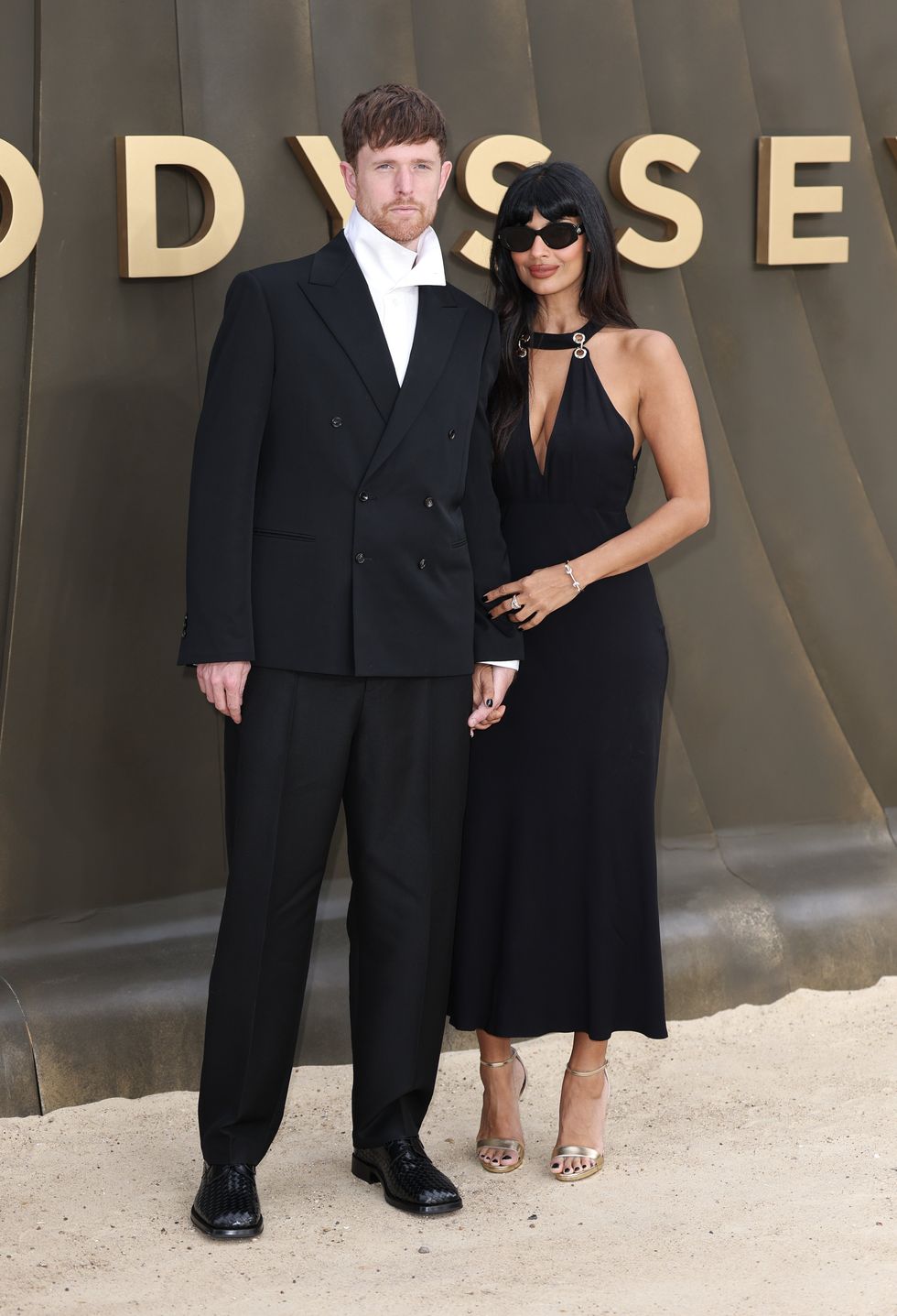
Jameela Jamil and partner James Blake
|
GETTY
A further critic took aim at her broader public persona: “My gripe with Jameela is that she preaches. She seems to know more about everything than the rest of us.”
Some voices did rally to her defence. Broadcaster Narinder Kaur wrote: “They’ve all gone crazy because a brown British woman dared to say in her opinion… Her opinion based on history. Her freedom of speech.”
Ms Jamil initially rose to prominence as a Channel 4 presenter before joining BBC Radio 1, and later achieved international recognition through The Good Place, the acclaimed comedy created by Michael Schur and also starring Kristen Bell and Ted Danson.
Her claim that Britain owes £43 trillion to India draws on contested research by Utsa Patnaik, an Indian Marxist economist who has argued that Britain extracted approximately $45 trillion from the subcontinent between 1765 and 1938.
What an imbecillic nincompoop
This prep school princess owes her success to Britain, land of her birth
Everyone in this clip represents the very worst of vapid, pig ignorant youth culture
PS: Citing the 43 trillion myth should bar this spoilt brat from ever giving an opinion https://t.co/c9SJKDNUif
— Rafe Heydel-Mankoo (@RafHM) July 22, 2026
Throughout her career, Ms Jamil has courted controversy with outspoken interventions on body image, mental health and social justice.
In 2020, she faced accusations of “performative bandwagon-jumping” after accepting a role judging a voguing competition, which prompted her to publicly identify as queer for the first time, explaining that her South Asian background had made the process difficult.