
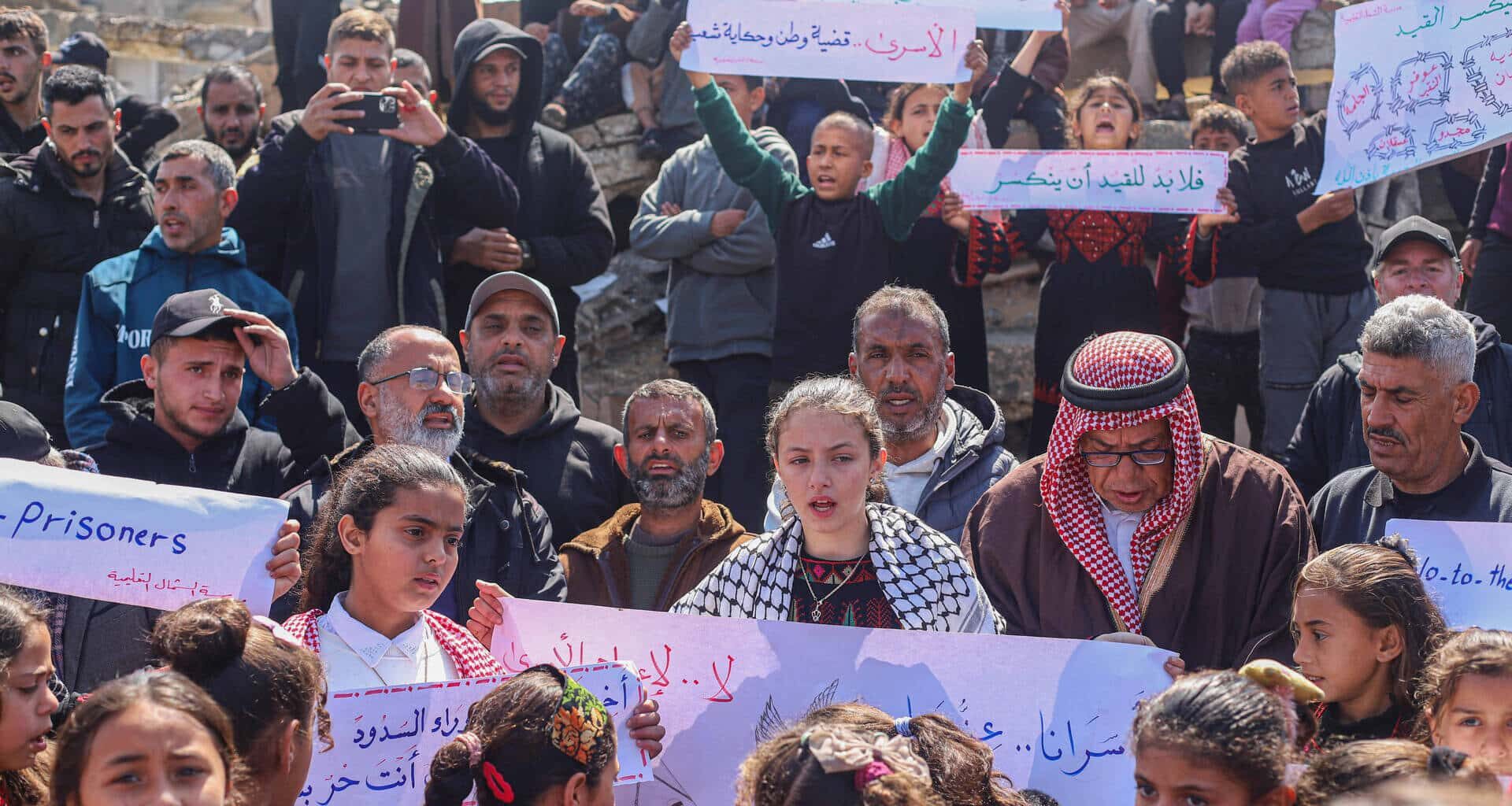
Recent reports from the United Nations and numerous human rights organizations indicate that Israeli forces have been torturing and raping Palestinian detainees in its detention centers. Evidence of such abuses dates back decades, and Israel denies them each time they surface, but the reactions to the latest allegations were particularly explosive, partly because they were spotlighted in a New York Times column by Nicholas Kristof, who included the claim that trained dogs were used in some of the sexual assaults. Israel and its supporters accused those making or repeating the allegations of “blood libel” and even threatened to sue the Timesover Kristof’s reporting. The very idea of making or uncritically believing such allegations, they argued, feeds into age-old and well-documented stereotypes of Jews as particularly depraved and threatening.
Israeli Prime Minister Benjamin Netanyahu repeated those charges this week, accusing New York Mayor Zohran Mamdani of “fomenting hate” by denouncing Israel’s brutal military campaign in Gaza and calling for the U.S. government to execute an arrest warrant for Netanyahu issued by the International Criminal Court. Critics claim that these kinds of “blood libel” accusations are being used opportunistically by Israel and its supporters in ways that weaponize the legacy of the Holocaust to excuse their own crimes.
This debate pulls attention away from an important fact: The accusatory dynamics are not unique to Jews or to Israel. Because the laws of war are most often enforced in the court of public opinion, critically understanding these dynamics, as well as the facts and applicable laws, can help observers make sense of reported atrocities.