
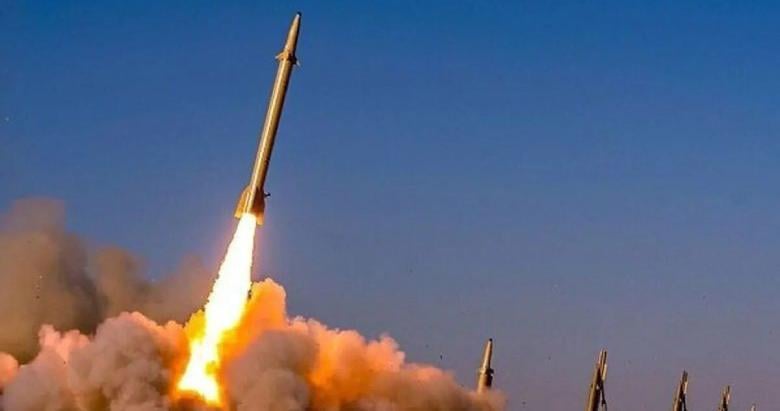
U.S. Central Command (CENTCOM) announced early Wednesday morning, July 29, in a post on X that all ballistic missiles fired from Iranian territory toward a U.S. military base in Jordan had been successfully intercepted and destroyed. Hours later, the Islamic Revolutionary Guard Corps (IRGC) issued a statement claiming responsibility for the strike and confirming that it had targeted the U.S. facility in Jordan.
According to CENTCOM, the IRGC launched several ballistic missiles from Iran at 5:45 p.m. Eastern Time in “an attempt to conduct a surprise attack” against U.S. forces deployed in the Middle East.
CENTCOM noted that all incoming missiles had been intercepted and destroyed before reaching their targets, adding that U.S. forces remained at the highest level of readiness.
At the same time, Jordan’s official news agency reported that the country’s air defense systems had intercepted and downed five missiles launched from Iran.
By Wednesday morning, media outlets affiliated with the Islamic Republic’s military institutions had reported the missile strike on Jordan. Meanwhile, citizens on social media reported seeing missile trails over central Iranian cities, including Khomein.
Shortly thereafter, the IRGC Aerospace Force issued Statement No. 52, declaring that, “in response to aggressive actions by the U.S. military,” it had targeted a U.S. airbase and command center in Jordan with several ballistic missiles.
In contrast, CENTCOM reiterated that the attack had caused no casualties or damage to U.S. forces, with every missile intercepted before impact. However, sources close to the Islamic Republic claimed that multiple explosions had been heard inside Jordan and circulated images allegedly showing impact sites. These claims have not been independently verified.
The strike came after a four-day pause in direct military engagements between the Islamic Republic and the United States, during which officials from both sides indicated that messages had been exchanged through intermediaries and that efforts had been made to de-escalate tensions. However, the renewed missile attack and conflicting accounts regarding its outcome have reignited concerns over a resumption of direct armed conflict between Tehran and Washington.