
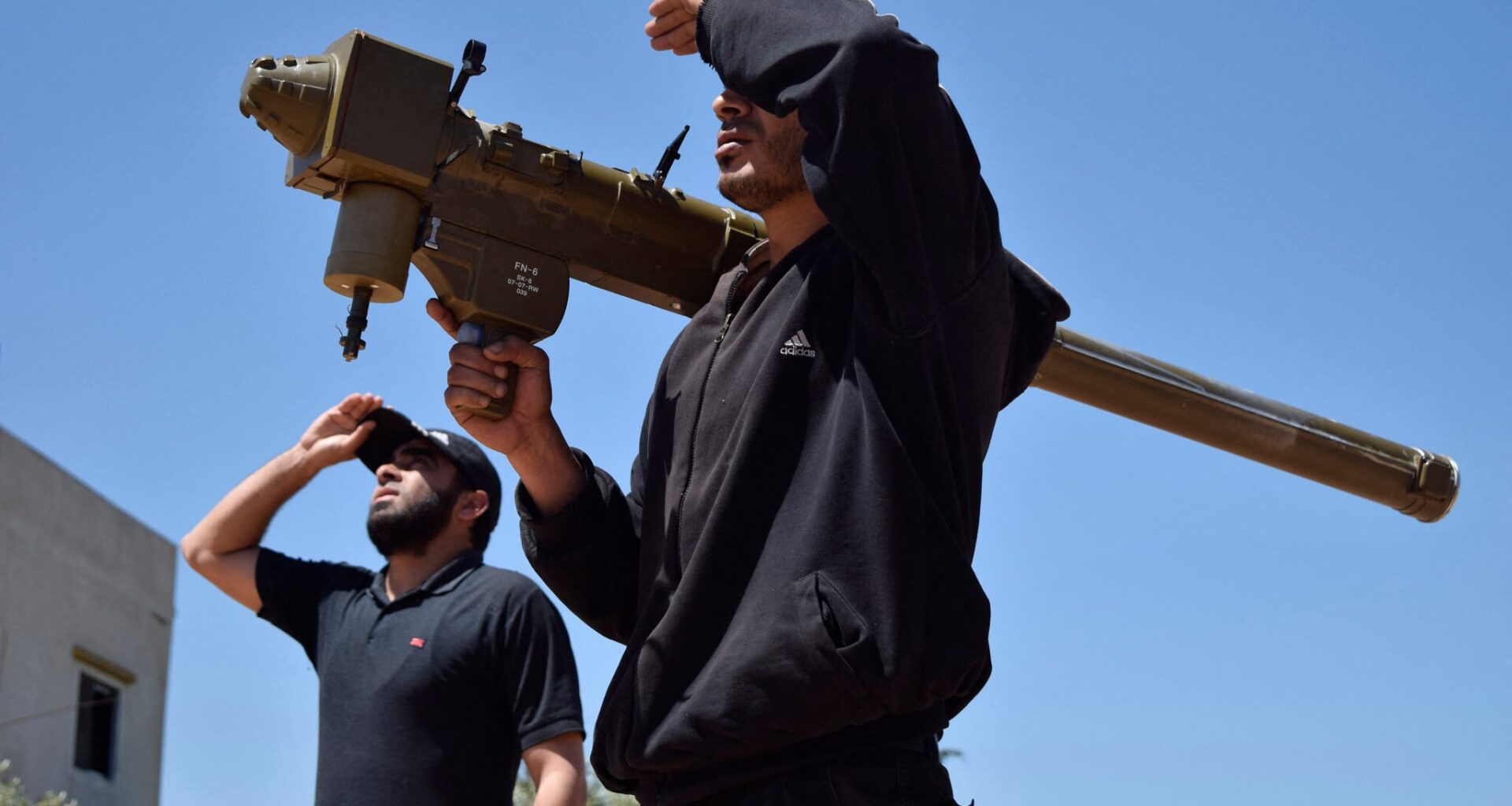
Reuters — Iran is expected to receive within weeks a first shipment of up to 400 Chinese-made shoulder-fired air-defense missile launchers, as it rebuilds its defenses amid ongoing fighting with the United States, three sources told Reuters.
The purchase, valued at $60-70 million, is one of Tehran’s largest-known efforts to strengthen its short-range air defenses since the outbreak of its war with the US and Israel in late February, which exposed gaps in Iran’s ability to protect military sites and strategic infrastructure.
This delivery would significantly expand Iran’s inventory of short-range air-defense weapons and suggest deepening military ties with China.
The deal was signed with Zhongqing Baoshang International Investment, a Hong Kong-based company that the sources said was acting as an intermediary between the Iranian side and the Chinese supplier.
Under a plan agreed to by the parties, deliveries will initially be by air from Urumqi in western China, then transiting through Pakistan to Iran, according to the sources, who did not clarify whether the transfers would take place by air or by road.
Get The Times of Israel’s Daily Edition
by email and never miss our top stories
By signing up, you agree to the terms
China’s Foreign Ministry denied the report, calling it “completely groundless” and saying Beijing had consistently worked to promote peace and end the conflict.
Pakistan’s military public relations wing said: “Speculations of Pakistan being involved in the supply of Air Defense weapons to Iran from China are absolutely concocted and false.”
Iran’s foreign ministry did not immediately reply to a request for comment, along with the Hong Kong-based company Zhongqing Baoshang International Investment.
Last week, US President Donald Trump said that China as well as Russia had pledged not to sell arms to Iran, warning that doing so “would be very bad for them.”
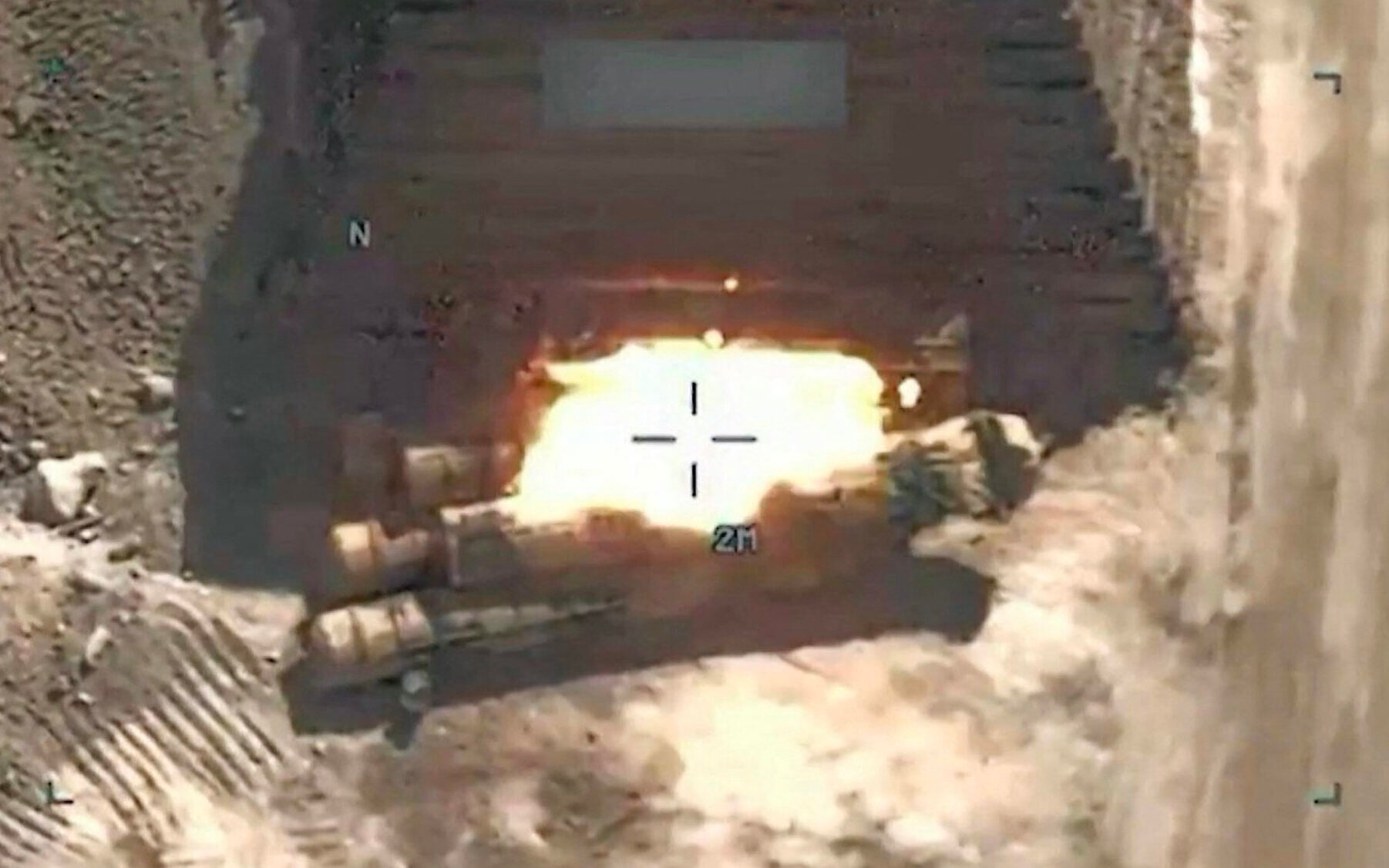
This screen grab made on July 21, 2026 from handout video footage released by the US Central Command (CENTCOM) on July 20, 2026 shows US forces launching what the military says are precision strikes targeting Iranian military capabilities for the tenth consecutive night.
Iran has sought to rearm after months of fighting in which the US and Israel have struck facilities linked to its missile, drone and air-defense programs; Iran in return responded with barrages of ballistic missiles and drones.
Washington abruptly suspended two weeks of bombardment on Saturday, but Trump said strikes would resume if negotiations failed to end the five-month-old conflict, which has in theory been in a state of ceasefire since April.
While Iran has invested heavily in the past two decades in missiles, drones and radar, military experts say portable air-defense systems are important because they can be dispersed quickly, operated by small teams and relocated frequently, making them less vulnerable than fixed air-defense batteries.
The QW-12 and FN-16 ( a type of shoulder-fired air-defense missile) are infrared-guided surface-to-air missile systems designed to engage low-flying aircraft, helicopters and drones. Their mobility allows them to be deployed rapidly around military installations, energy infrastructure and other sensitive sites.

Illustrative — A handout picture provided by the Iranian presidential office shows Iranian-made air defense missile system Bavar 373 (“believe” in farsi) during a ceremony in Tehran on August 22, 2019. (HO / Iranian Presidency / AFP)
In the early days of the war that erupted on February 28, Israel said it had destroyed much of Iran’s air defenses and was operating freely over Western Iran and Tehran.
Two Western intelligence sources and an Iranian official said Tehran had also explored the use of overland routes to move Chinese military supplies and dual-use components more discreetly and reduce the risk of disruption.
The deal highlights the Islamic Republic’s continuing reliance on a combination of domestic weapons production and foreign suppliers despite years of sanctions and restrictions on defense-related imports.
Reuters previously reported that Iran was close to securing a separate agreement with China to acquire anti-ship cruise missiles, according to sources; however, they could not determine whether the agreement went through.
Times of Israel staff contributed to this report.
We can’t do this work alone.

The war with Iran has been draining for all of us in Israel. But when I heard about a high casualty incident – ballistic missile impacts in Arad and Dimona that left nearly 200 people wounded – I drank a cup of coffee, packed a bag, and headed south.
There, I spoke with Shilgit, the head of an after-school program for underprivileged youth. Standing outside her destroyed center, Shilgit said it was a miracle that no children were hurt and spoke about the community coming together in the hours since.
As a Times of Israel reporter, I’m committed to telling stories of resilience like Shilgit’s. But my colleagues and I can’t do this alone. If you value work like this, please consider joining our reader support group, The Times of Israel Community. Your financial support is essential to keep real human reporting like this going.
— Stav Levaton, military reporter
Already a member? Sign in to stop seeing this
You’re a dedicated reader

That’s why we started the Times of Israel – to provide discerning readers like you with must-read coverage of Israel and the Jewish world.
So now we have a request. Unlike other news outlets, we haven’t put up a paywall. But as the journalism we do is costly, we invite readers for whom The Times of Israel has become important to help support our work by joining The Times of Israel Community.
For as little as $6 a month you can help support our quality journalism while enjoying The Times of Israel AD-FREE, as well as accessing exclusive content available only to Times of Israel Community members.
Thank you,
David Horovitz, Founding Editor of The Times of Israel