
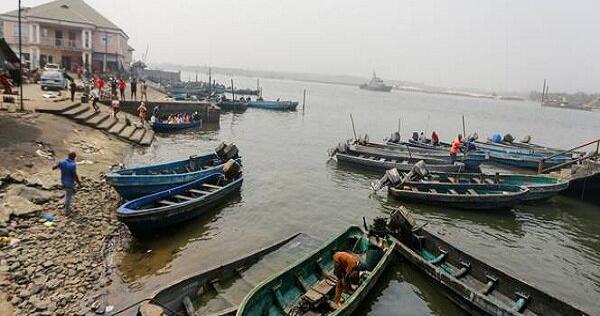
Around noon on Saturday, August 1, amid rising speculation over the potential resumption of US military strikes against Iran, security warnings were issued across ports and maritime docks in Hormozgan Province.
The Sayyaf Mouj Ramchah Fishermen’s Cooperative released an official statement citing instructions from the Director General of Fisheries in Hormozgan. Given the region’s volatile conditions, all fishermen and vessel owners were urged to avoid non-essential travel or gatherings at docks, floating anchorages, military installations, and strategic hubs.
Over the past seven months of armed conflict between Iran and the United States, residents of Hormozgan have endured persistent missile fire and jet scrambles. For thousands of families whose livelihoods depend entirely on the sea, economic survival has become increasingly precarious.
Forced Evacuations and Masked Emergency Declarations
Fishermen and vessel owners on Qeshm Island describe an atmosphere of high alert masked by government claims of weather emergencies:
“It started around noon. Government offices like customs closed early, telling staff to evacuate for security reasons. Vessel owners were told to move away from docks and avoid grouping boats.” — Amoo Gholam, a 54-year-old Qeshm fisherman
Amoo Gholam, whose family-run eco-lodge has been closed for months due to the conflict, explained that fishermen cannot afford to lose their equipment to air strikes or naval clashes:
“Many quieted their boats and moved them away. It’s not out of trust in the government; these boats represent everything we own. If a boat is destroyed, multiple families lose their breadwinner.”
While local officials publicly attributed office closures and port restrictions to “managing crisis conditions caused by the El Niño storm system,” residents reported heavy military deployments:
Military Movements: Military launchers and armoured units have reappeared across central Bandar Abbas. Local police stations have reportedly been shifted into mobile containers for security purposes.Drone Launchers in Civilian Infrastructure: According to local transport employees, drone transport and launch trucks were parked inside the Sirik Road and Transportation Department’s parking lot near the entrance to Sirik.
Economic Strife, Maritime Risks, and Soaring Prices
The military confrontation in southern Iran has trapped thousands of dock workers, sailors, and fishermen between missile risks, joblessness, and poverty.
Rising Maritime Hazards
Saeed, 28, who works on his father’s cargo dhow, or lenj, noted that maritime trade continues under constant fear:
“It’s war, but we still have to work – who else will pay the dhow instalments? Dhows operate between Khasab Port in Oman and Sharjah in the UAE with utter dread, especially after several sailors and fishermen went missing at sea.”
Shift to Local Boat Operations
While traditional shipping lines face naval blockades and reduced vessel traffic, small local boat operators have seen a temporary decline in state enforcement against informal cargo transport, which is traditionally deemed smuggling by state authorities. However, severe import supply shortages have driven regional commodity prices up by as much as eight times in certain categories.
Desperation in Jask and Coastal Ports
In ports like Jask, where local economies are almost entirely dependent on fishing, heeding security warnings is an unaffordable luxury for many:
“In places like Jask, everything hinges on the sea. Being idle for even a few days means you can’t pay rent, buy food, or afford medicine. People simply have no choice but to head out to sea, dangerous as it is.” – Amoo Gholam
Fuel Crisis and Economic Ruin: Southern Iranian Fishermen at a Breaking Point
While images of long queues of vehicles at gas stations across Hormozgan and Sistan and Baluchestan provinces recently sparked widespread concern on social media, local fishermen and boat owners report that the severe fuel crisis is crippling their livelihoods at sea, a struggle that remains largely overlooked.
Exorbitant Fuel Costs and Suspended Fishing Licences
The CEO of the Chabahar Fishermen’s Cooperative stated that government fuel quotas cover only a fraction of monthly operational needs. To keep operating, fishermen are forced to purchase unregulated gasoline on the open market at staggering prices ranging from 2.5 million to 3 million tomans per 20-litre container.
“These days, the cost of gasoline exceeds our earnings from the catch. We only do it to keep working. My daughter looks at our accounts and begs me not to go. She says, ‘At least we’ll know you won’t be killed at sea.’ But after 45 years as a fisherman, how can I just sit at home?” – Amoo Gholam, a 54-year-old fisherman
Compounding the crisis amid ongoing war conditions, local authorities in several coastal cities have suspended the issuance of new fishing permits. As a result, many operators are forced to risk illegal sea voyages while absorbing the full cost of fuel themselves.
Shifting Livelihoods: From Sailors to Street Vendors
Saeed, who works on his family’s cargo dhow, revealed that several crew members have abandoned maritime work due to mounting physical dangers and financial strain, turning instead to temporary informal jobs:
Exodus from the Sea: Former deckhands, known as jashoo, and sailors are increasingly turning to seasonal jobs or street vending in commercial hubs such as Dargahan Market on Qeshm Island.Diminishing Returns: Even informal retail work yields minimal income amid widespread market stagnation and plummeting purchasing power.
“One of our sailors went to Dargahan Market with his younger brothers. Where he used to support his entire family alone, now all three work from morning to night, and the market is still dead. I know several sailors who have had to leave the sea. I feel so ashamed. How are officials not ashamed of dragging people to this point?” – Saeed
Rising Casualties and Economic Fallout
Over recent months of military conflict between Iran and the United States, several fishermen and sailors have lost their lives, while the fate of others remains unknown.
Economic analysts warn that the dual pressure of military conflict and state economic mismanagement will severely depress investment and commercial activity across Iran’s southern provinces, threatening to trigger an unprecedented wave of structural unemployment and regional migration.