
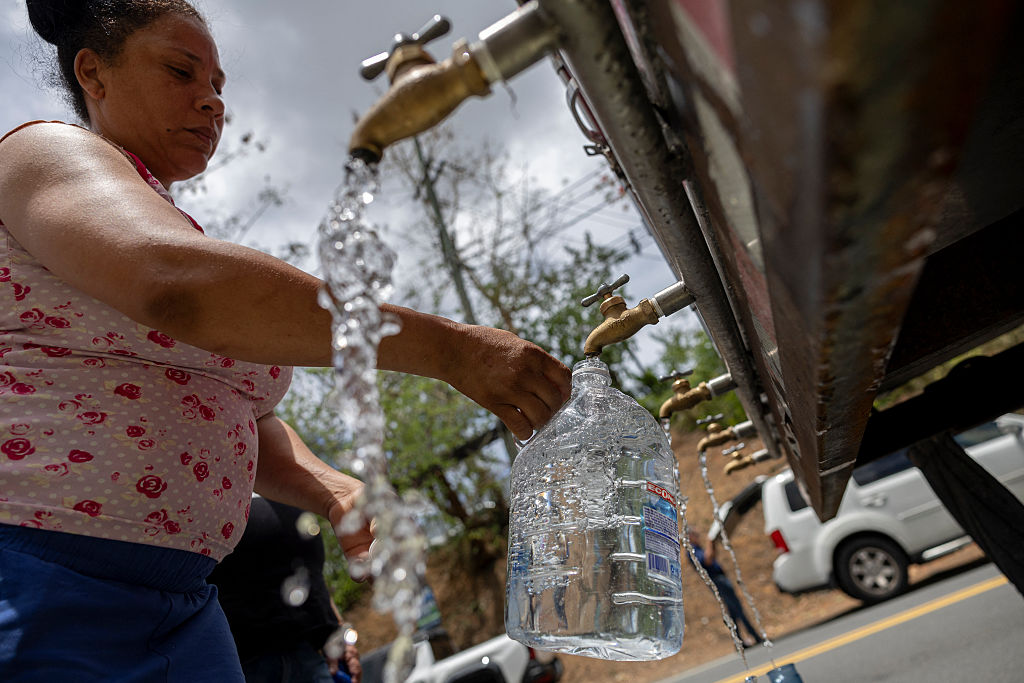
Puerto Rico entered a sweeping 48-hour water-rationing cycle affecting more than 180,000 people as drought conditions reach historic extremes, while residents in several neighborhoods report having endured more than 100 days of unreliable service this year alone.
The crisis is unfolding with no comment from President Donald Trump, even as residents, businesses, and hospitals brace for prolonged shortages. Local officials warn the emergency could stretch for weeks or months, leaving millions of U.S. citizens navigating a system already weakened by years of neglect.
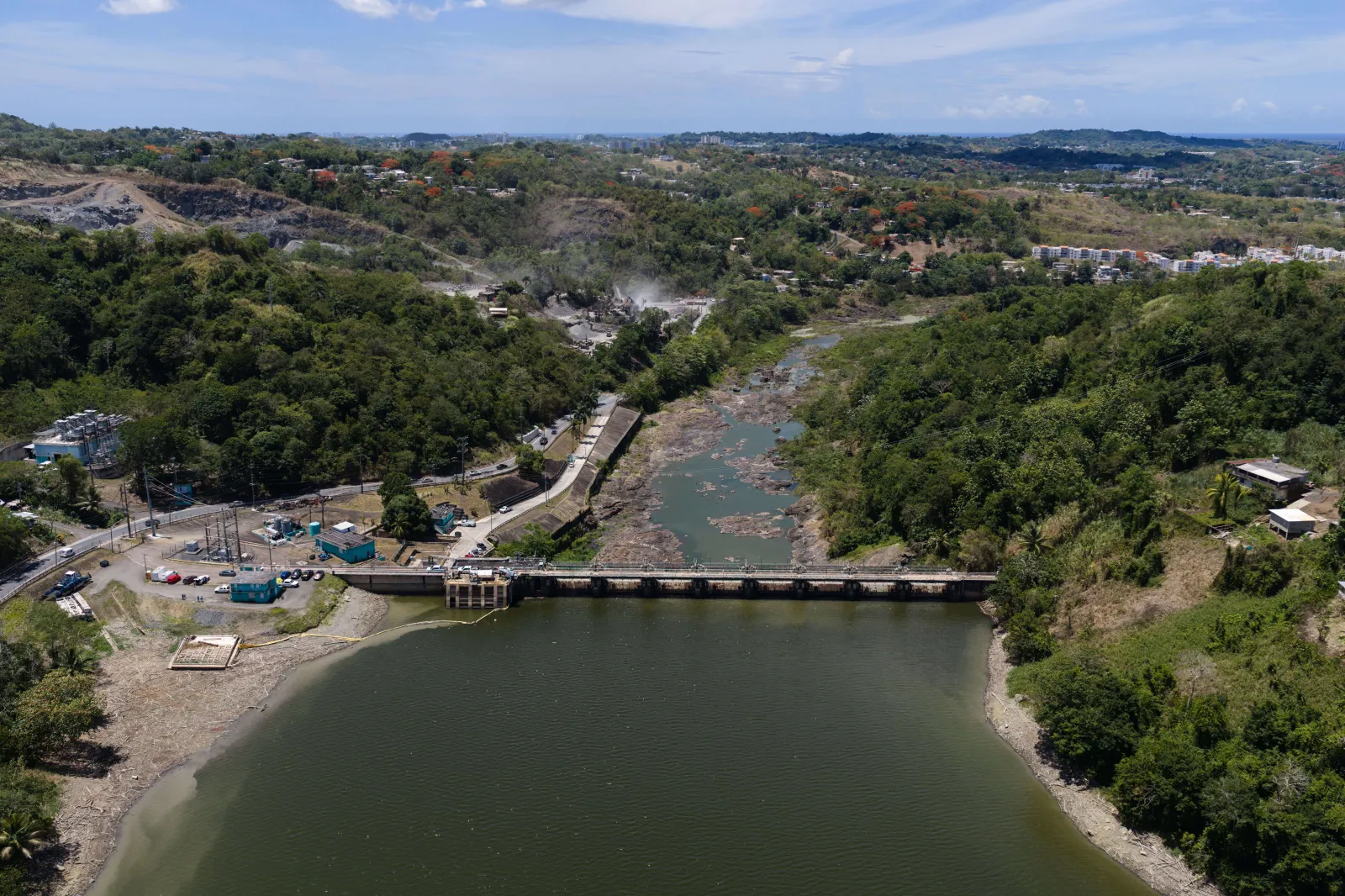
The island’s water authority says the Carraízo reservoir has dropped to critically low levels, forcing alternating shutoffs across seven municipalities, but residents say outages began long before the drought—a sign of deeper infrastructure failures that neither the Puerto Rico government nor federal agencies have addressed.
Read More on News
CTPR Executive Director Willianette Robles Cancel told Newsweek the tourism sector is coordinating with Puerto Rico Aqueduct and Sewer Authority (PRASA) and the central government to maintain operations, noting: “Our focus has been clear: anticipate, guide, and support the sector to guarantee continuity of tourism services.”
But the broader crisis extends far beyond tourism, and frustration is mounting over the absence of federal leadership.
Newsweek has reached out to the White House for comment.
 A Federal Silence as a Major U.S. Territory Runs Dry
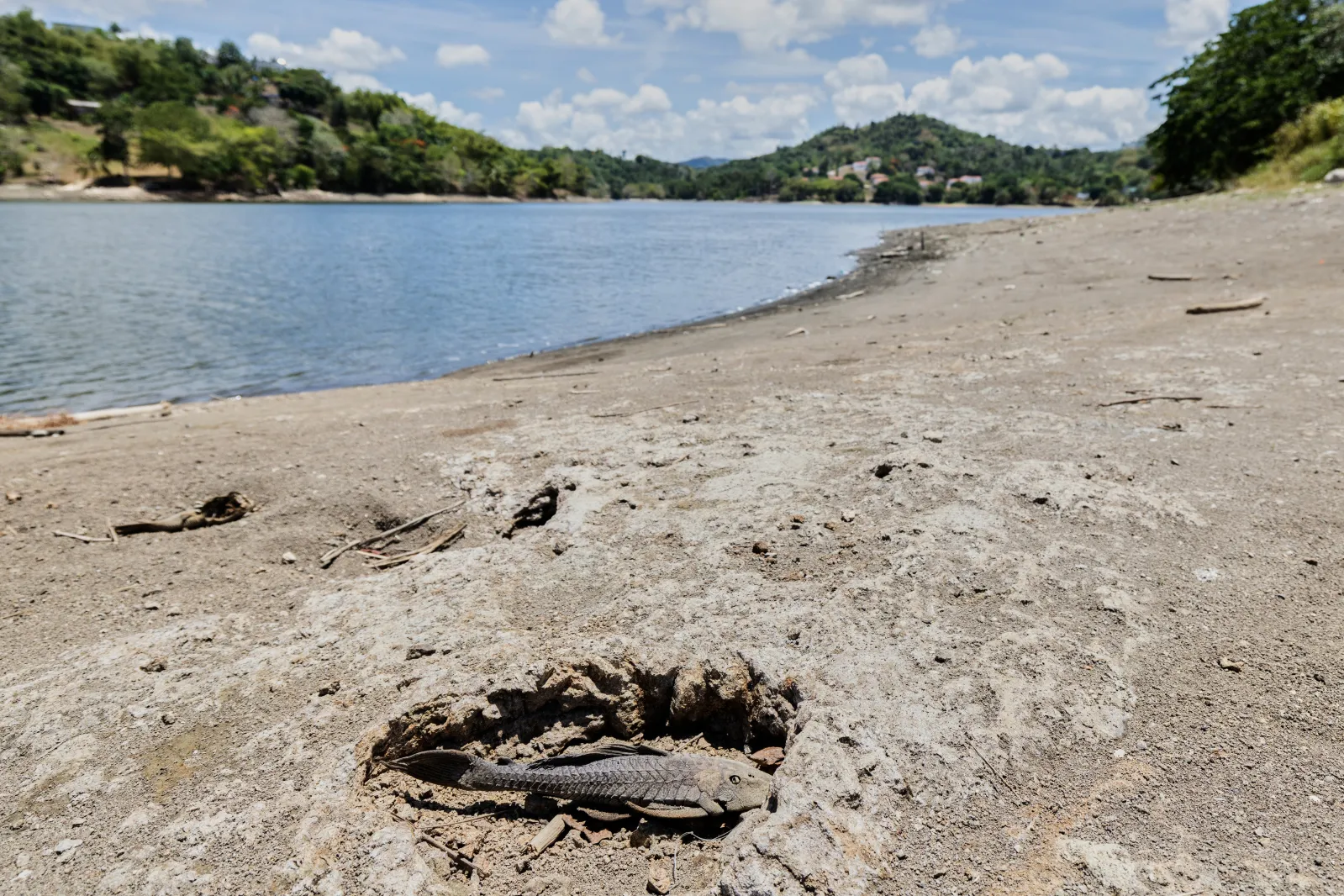
Despite more than 3 million U.S. citizens living on the island, the Trump administration has not issued any statement on the worsening water shortages. The silence comes as Puerto Rico faces one of its most severe droughts in modern history. July was San Juan’s driest month in more than 120 years, and the National Oceanic and Atmospheric Administration (NOAA) projects below-average rainfall and above-normal heat through October due to a strengthening El Niño pattern.
The U.S. Drought Monitor’s early‑August update shows roughly 68 percent of Puerto Rico in drought, with moderate to severe conditions concentrated across the island’s interior and northern municipalities.
Governor Jenniffer González has admitted she does not know how long rationing will last, calling the situation “out of our hands.”
Environmental and climate‑communication researcher Catalina de Onis said the government’s messaging minimizes its own role in the crisis. She argued that decades of privatization, austerity, and fossil‑fuel dependence — intensified under the federally imposed Fiscal Control Board — have directly contributed to the island’s vulnerability.
“Massive cuts to public services, privatization, and disinvestment have propelled very damaging fossil fuel reliance that perpetuates the drought crisis,” she said, adding that Puerto Rico’s colonial status further limits local control over climate and energy decisions.
CBS News reported that customers were divided into two groups that will alternate not having water for at least 48 hours at a time. According to the outlet, government officials have also not said when the rationing will end and have warned the outages could be extended to 72 hours at a time.
Residents counter that the crisis stems from years of political neglect at the territorial and federal levels, as people in several San Juan neighborhoods have tracked more than 118 days of unreliable water service this year, reporting full‑day and multi‑day shutoffs along with persistently low pressure well before the formal rationing plan began.
Environmental communication researcher Catalina de Onis said the current shutoffs must be understood in the context of Puerto Rico’s long history of resource extraction and political neglect.
She noted that water access has repeatedly been shaped by “racial capitalism, neoliberalism, and US and Spanish empire building,” adding that elderly and disabled residents are facing the most disproportionate impacts.
De Onis said the present crisis reflects “disinvestment in public infrastructure…now existing amid compounding crises, including worsening drought conditions associated with climate breakdown.”
Puerto Rico’s government has offered little clarity or urgency. PRASA says rationing is necessary to “distribute available water more equitably,” yet communities have been reporting outages since mid-June, long before the drought intensified.
San Juan’s mayor has sued PRASA over chronic shortages unrelated to weather, and the agency is urging residents to boil water once service returns — a sign of contamination risk and system instability.
Water‑resilience specialist Kevin Gast told Newsweek that the crisis highlights a national problem.
“Water resilience is not only a matter of having enough natural water, but also of the quality of the treatment and distribution infrastructure,” he said.
Newsweek reached out to PRASA and La Fortaleza for comment; neither responded.
A Crisis That Demands Federal Attention—But Isn’t Getting It
Puerto Rico has faced water rationing before, including in 2015 and 2020, but experts say the current emergency is broader, deeper, and more destabilizing. Extreme heat, historic drought, and long-standing infrastructure failures have created a crisis that residents say should have prompted federal intervention weeks ago.
Instead, hospitals are relying on tanker trucks and businesses are paying hundreds of dollars a day to stay open. The absence of federal engagement is becoming a central part of the story—one that tens of thousands of Americans living on the island say they can no longer afford to ignore.
Small Businesses Face Mounting Costs and Daily Disruptions
Local businesses, especially in Old San Juan, have been hit hard.
Some cafés and restaurants have had to close during rationing windows because they cannot operate safely without running water. Others are paying hundreds of dollars per day for private tanker services when municipal trucks fail to arrive.
One San Juan business owner told Noticias Telemundo he spends $300 to $500 daily to fill cisterns just to stay open.
Travel blogger and podcast host Bianca Alba told Newsweek that the strain is widespread.
“When businesses can’t operate, they lose income. And when that happens for days or weeks at a time, it becomes difficult to pay employees, cover rent, and meet everyday expenses. This isn’t just an inconvenience…it’s affecting people’s livelihoods,” she said.
Residents describe long lines for bottled water at supermarkets and warehouse stores, with supplies running low hours after deliveries.
“People are stocking up on bottled water whenever they can,” Alba said. “Just yesterday, one of my close friends spent hours waiting in line at Costco simply to buy water before supplies ran low. That scarcity mindset is very real because people don’t know when they’ll have reliable access again.”
She continued: “At the same time, residents are still going to work, serving visitors, running businesses, and doing everything they can to keep life moving. It’s an incredibly difficult balance.”
Daily Life Upended as Residents Scramble for Water
For many families, the emergency is not theoretical—it is reshaping daily life. Vanessa Toro, who is currently staying in Puerto Rico with relatives, described the cascading disruptions in a voice memo shared with Newsweek.
She said she spent hours trying to wash clothes, only to find multiple laundromats closed because they had no water. When she finally reached one that was open, she learned it was operating on limited supply and could only take certain loads.
Toro said she then went to Econo, a major supermarket chain, where customers were buying water in bulk and shelves were quickly emptying. She described people filling carts with bottles, worried they wouldn’t have enough for the next shutoff window.
“The Econo is flooded with people,” she said. “This is before the kids even get out of school. Everybody’s buying water; they’re selling bags of water bottles, like individual water bottles, like four or five of them in the produce bags.”
1 of 5
Extreme Heat and Historic Drought Deepen the Crisis
Rainfall since June 1 is more than 9 inches below normal, according to the National Weather Service (NWS). Meteorologist María Novoa García told The Weather Channel that rainfall over the next several weeks is expected to be 50 percent below average, with El Niño intensifying.
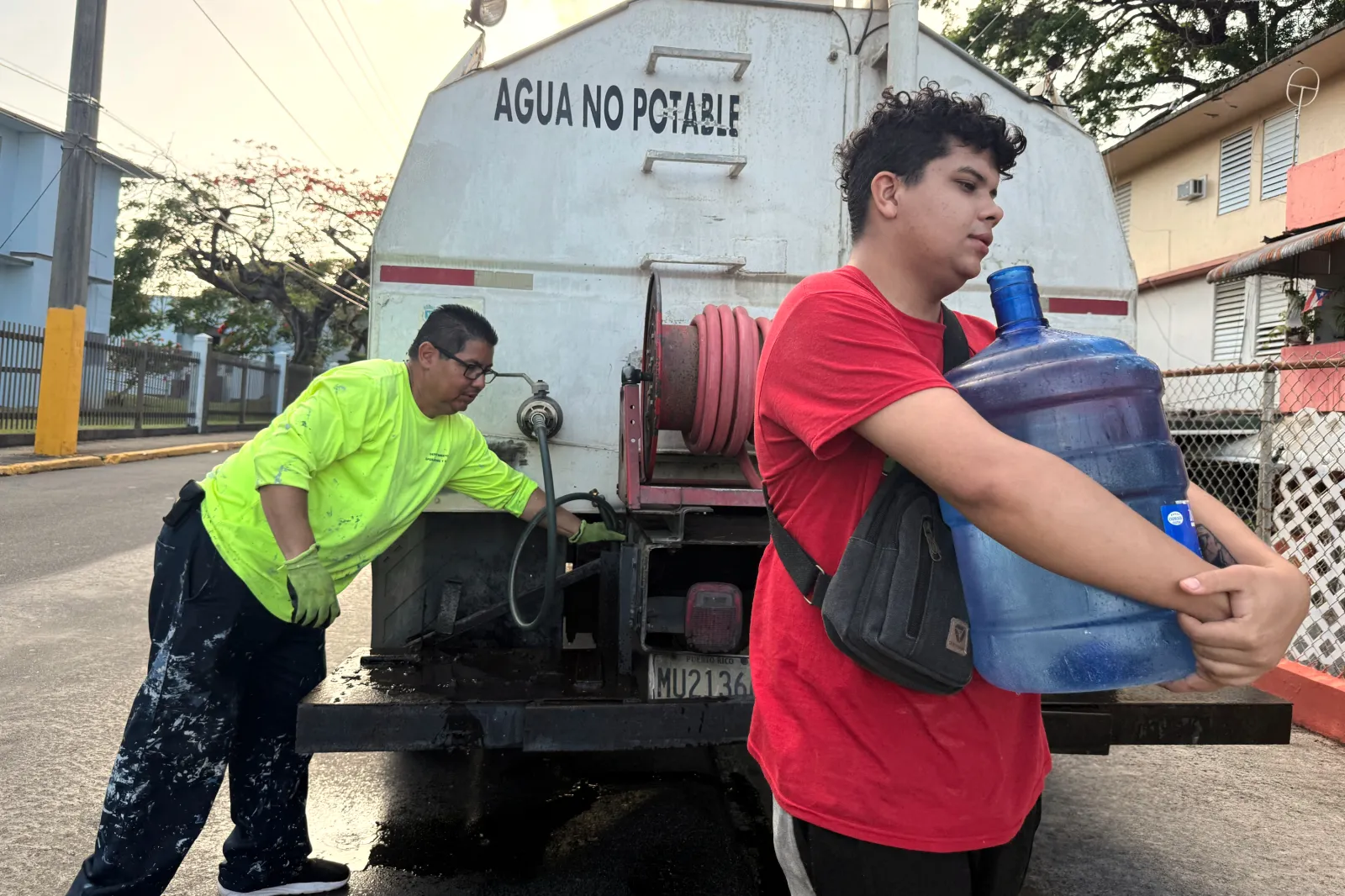
PRASA President Luis González Delgado said potable water trucks will prioritize hospitals and elder‑care facilities but acknowledged the system has suffered from decades of underinvestment.
Residents in Canóvanas, Cupey, and other hard‑hit areas say they’ve already endured weeks without water, making preparation for scheduled shutoffs nearly impossible.
“It’s chaos,” community leader Marcia Soler París told the Associated Press. “How are Puerto Ricans supposed to prepare for rationing when they don’t have water now?”
1 of 2
Long‑Term Risks Grow as Leaders Fail to Act
Experts say the crisis reflects deeper structural issues. Aging infrastructure, chronic underinvestment, and climate‑driven extremes have created a system unable to withstand prolonged drought.
Local scientists recently raised concerns about large‑scale development projects approved during the drought, arguing they could worsen water stress and harm fragile ecosystems.
Forty‑four local scientists signed a letter warning that Esencia would cause “grave harms to local communities, including multiple endangered species that are endemic to Puerto Rico.”
De Onis said the unified intervention from biodiversity and ecosystem experts signals that the project poses “ecocide” risks and highlights a broader pattern in which government agencies “allow, invite, and welcome harmful projects for supposed economic gains,” despite the environmental costs.
As the drought intensifies, residents, businesses, and the tourism sector are left navigating a crisis with no clear end date.
“Water shouldn’t feel like a luxury,” Alba told Newsweek. “It should be something everyone can count on—whether you’re a resident, a visitor, or a business owner.”
Contact Newsweek editors for this article: Samantha Beech and Anthony Murray.