
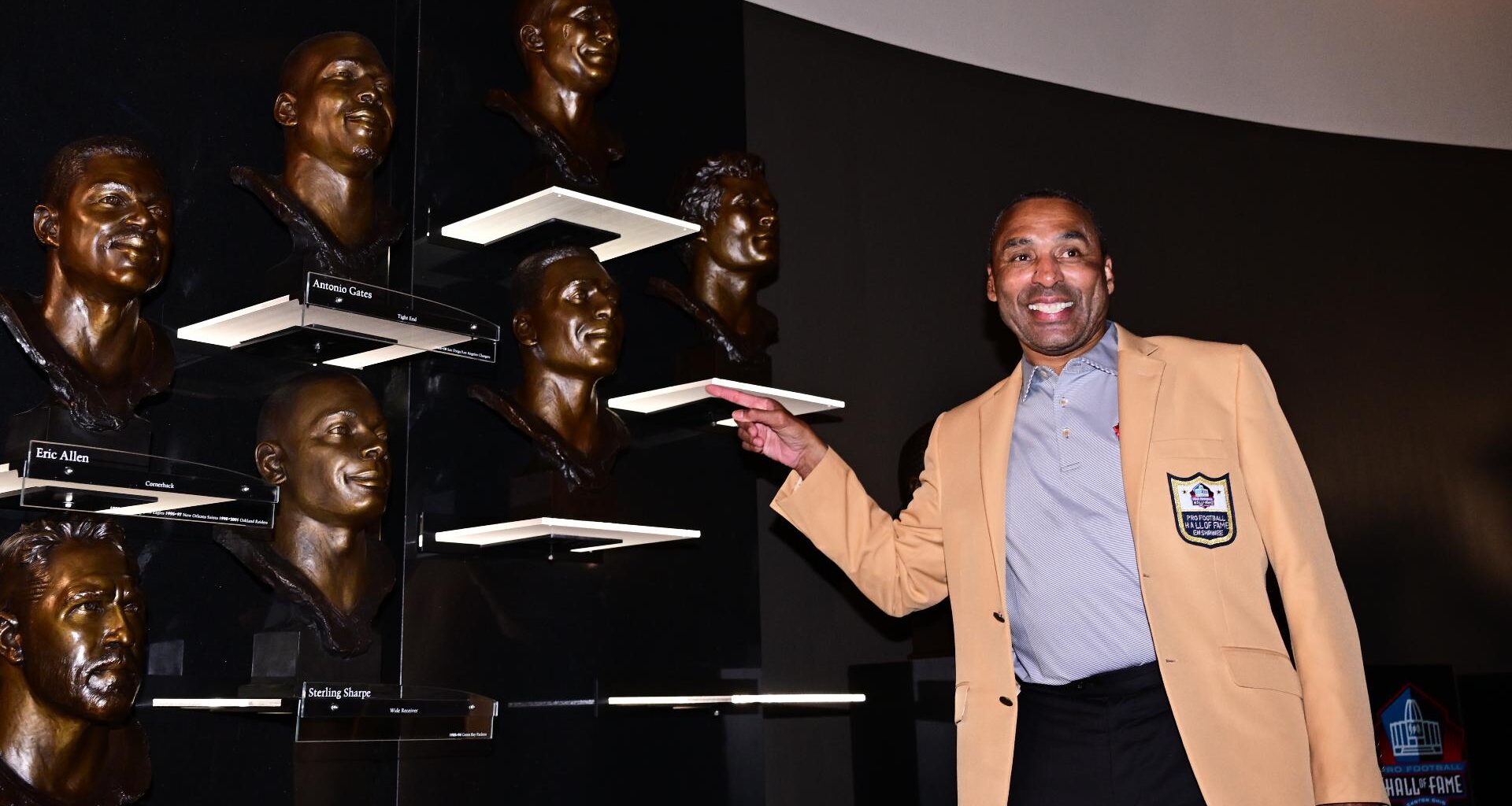
The former NFL star disclosed his diagnosis during his Pro Football Hall of Fame speech, saying he hopes sharing his story encourages others to seek help.
WASHINGTON — Former NFL player Roger Craig used his Pro Football Hall of Fame enshrinement speech Saturday to reveal he has been diagnosed with vascular dementia, saying his doctors believe the condition stems in part from concussions sustained during his 11-year football career.
The 66-year-old said the changes were gradual at first, and he initially dismissed as normal aging before his family urged him to seek answers.
“Over time, my family noticed it too and ultimately led us to seek answers from my doctor,” Craig said in his acceptance speech.
“Two things can be true. Football gave me opportunities beyond anything I could imagine. It helped shape the man I became. At the same time, we know more today about brain health than when I played, and I hope sharing my story encourages people to pay attention to their health and seek help when something doesn’t feel right,” he explained.
Craig closed with a message of resilience.
“I want people to know this diagnosis doesn’t define me. I am still Roger Craig,” he said. “I am still a father, a husband, a teammate, a friend and someone who loves this game. If sharing my story helps even one family or one former player, then it’s worth it.”
Craig did not attend a news conference Thursday where the four other members of the 2026 enshrinement class—which included Larry Fitzgerald, Drew Brees, Adam Vinatieri and Luke Kuechly—each held sessions with the media, according to ESPN.
Craig, who retired 28 years ago, made history as the first player in NFL history to rush for 1,000 yards and record 1,000 receiving yards in the same season. He was presented by former 49ers teammate and childhood friend Jamie Williams at Saturday’s ceremony. The night before, former 49ers owner Eddie DeBartolo Jr. presented Craig with his gold jacket at the annual dinner.
The San Francisco 49ers honored Craig during Saturday’s practice, with coaches wearing black T-shirts bearing his name and number 33.
What is vascular dementia?
Vascular dementia is the second most common form of dementia after Alzheimer’s disease. It occurs when reduced or interrupted blood flow to the brain damages or destroys brain cells, affecting memory, thinking, problem-solving and judgment, according to the National Institute on Aging.
Unlike Alzheimer’s, which typically begins with memory loss, vascular dementia often first affects speed of thinking and the ability to plan and organize. Symptoms can come on gradually or appear suddenly and worsen over time, sometimes in “steps” following additional strokes or vascular events.
Common causes include strokes, high blood pressure, diabetes and damage to small blood vessels deep in the brain. There is no cure, but treatments can help manage symptoms and slow progression, including medications and lifestyle changes that address underlying cardiovascular conditions, according to Cleveland Clinic.